 N環球

Japan Launches 2nm Medical AI Imaging Project: 5x Faster Diagnosis, 90% Less Power
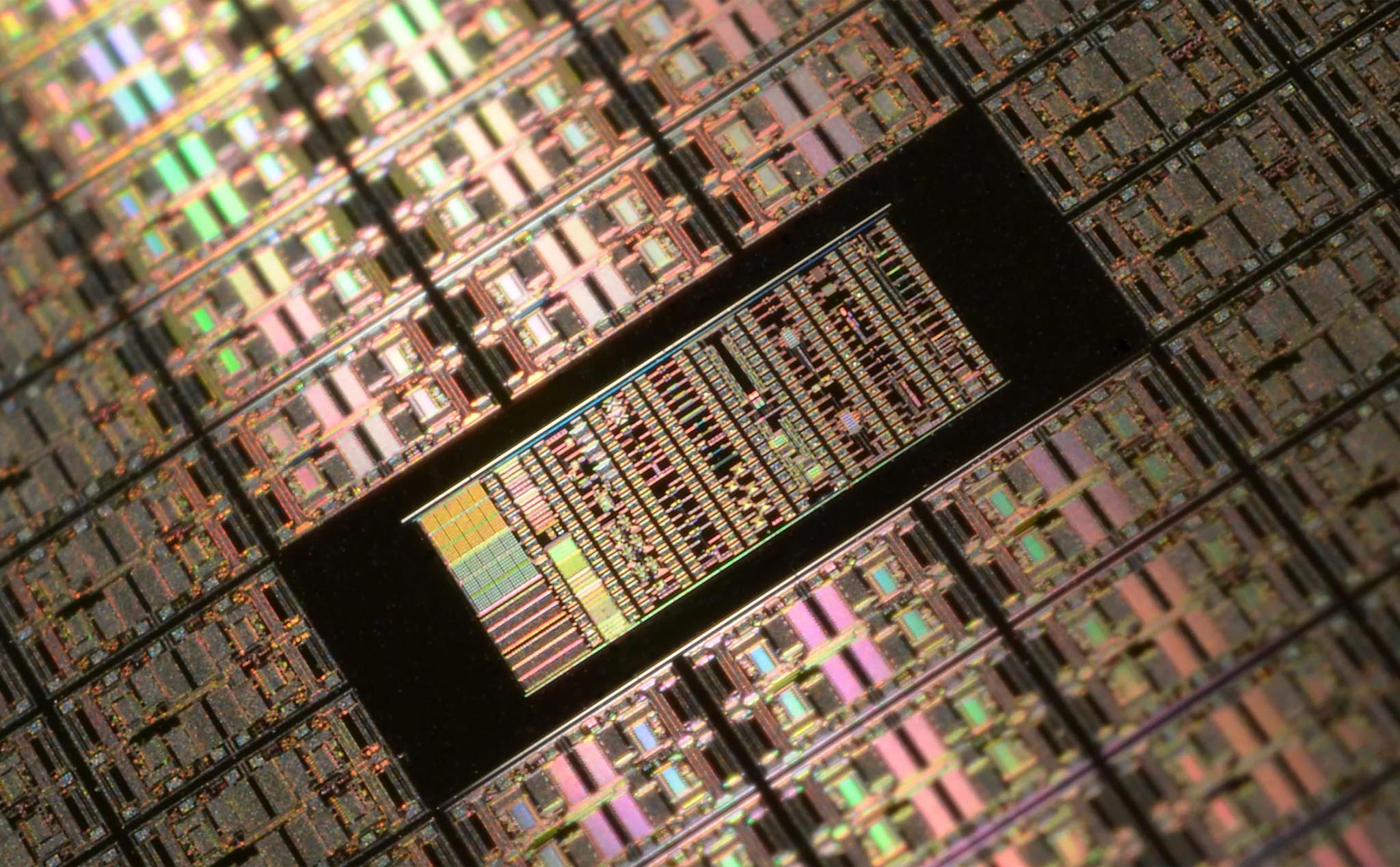
Japan's Leading-edge Semiconductor Technology Center (LSTC), with Hokkaido University, Fujifilm, GE HealthCare Japan and Belgium's imec, will build medical image-processing systems on 2nm-generation AI inference chips for real-time diagnosis in CT, ultrasound and surgery.
Why it matters
AI is spreading fast in medical imaging, but power consumption and processing delays are the two big barriers: GPUs are powerful yet constrained by heat, size and power once built into medical equipment. This project targets real-time, on-device AI — if it succeeds, ordinary CT and ultrasound machines could get AI-assisted diagnosis without relying on the cloud.
The project
On October 20, Japan's Leading-edge Semiconductor Technology Center (LSTC), Hokkaido University, Fujifilm, GE HealthCare Japan and Belgium's semiconductor research institute imec announced they will jointly develop medical image-processing AI systems built on 2-nanometer-generation semiconductors. The project was selected for a commissioned program under NEDO's "Post-5G Information and Communication Systems Infrastructure Enhancement R&D" program, with targets of at least 5x faster image processing and at least 10x better energy efficiency than current GPU-based systems — R&D targets, not demonstrated performance.
It covers three clinical AI systems: real-time diagnostic support for CT imaging, including next-generation photon-counting CT, with Fujifilm developing high-speed reconstruction and organ-segmentation AI; real-time support for ultrasound exams, overlaying ultrasound images with CT and MRI scans; and real-time support during surgery, analyzing surgical-microscope video to recognize instruments, anatomy and bleeding. LSTC — whose members include chipmaker Rapidus — will design the semiconductors, expected to use 2nm chips contract-manufactured by Rapidus; Hokkaido University handles AI design and evaluation, with demonstration trials planned at Hokkaido University Hospital.
LSTC Chairman Tetsuro Higashi, who also chairs Rapidus, told a Tokyo press conference he wants cutting-edge semiconductors to produce technology that genuinely helps medical practice. Rapidus aims to mass-produce 2nm chips in the second half of 2027; Professor Kohsuke Kudo of Hokkaido University serves as Deputy R&D Director.
💬 Comments
No comments yet. Be the first!