 N環球

Samsung Reportedly to Quintuple V9 NAND Output at Xi'an Fab as AI Data Centre Demand Surges
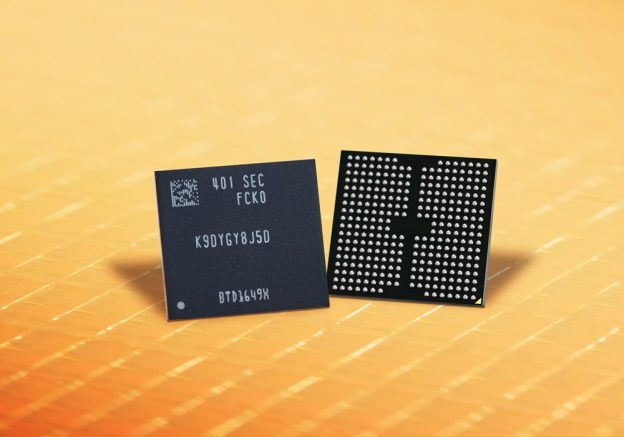
Samsung plans to raise monthly output of ninth-generation V9 NAND at its second Xi'an fab from about 10,000 to 50,000 300mm wafers, completing the upgrade by November 2027, as AI data centres drive demand for enterprise SSDs.
Samsung Electronics is accelerating the upgrade of its Xi'an plants in China into an advanced NAND flash production base, as artificial intelligence data centres drive strong demand for enterprise storage, the Seoul Economic Daily reported, citing industry sources. TrendForce followed up on the plan on 24 November.
Second Xi'an fab to go from 10,000 to 50,000 wafers a month
The report says Samsung plans to increase monthly output of ninth-generation vertical NAND (V9) at its second Xi'an fab, known as X2, fivefold, from about 10,000 to about 50,000 300mm wafers. All upgraded lines at X2 will be dedicated to V9, and 20 to 30 percent of existing V6 lines will be converted to the newer generation. Samsung also plans to add an electroplating line in unused cleanroom space at X2, with equipment move-in scheduled for around February 2027 and the line conversion targeted for completion by November 2027.
V9 brings faster speeds and higher yields
V9 uses a 286-layer stack, 50 layers more than its predecessor, offering about 50 percent higher TLC storage density and about 33 percent faster data input and output speeds of up to 3.2 Gbps, making it well suited to AI data centre storage. Yields for some V9 products have reportedly reached the low 90 percent range, about 10 percentage points above the previous generation's low-to-mid 80 percent range, helping profitability. Samsung has already adopted V9 in its PM1763 enterprise SSD, which entered mass production in July.
Xi'an accounts for about a third of Samsung's NAND capacity
As of the second quarter of this year, Samsung's two Xi'an fabs, X1 and X2, had a combined monthly wafer input capacity of 100,000 wafers, 50,000 each, the report says. By comparison, its four Pyeongtaek fabs had a combined capacity of 200,000 wafers a month, so Xi'an accounts for roughly a third of capacity across the two campuses. TrendForce data shows Samsung led the enterprise SSD market with a 35.1 percent revenue share in the second quarter, ahead of SK hynix Group at 21.1 percent and Micron at 17.1 percent, with its lead widening from about 12 percentage points in the first quarter to 14 points.
Export controls and competition in the background
Reuters previously reported that Samsung said the facility upgrade complies with U.S. export regulations and aims to meet growing global demand, including from U.S. customers, without expanding production capacity or building new facilities. Meanwhile, SK hynix is also reported to be seeking to upgrade its Dalian facility from 192-layer NAND to at least 240 layers, as both South Korean memory makers respond to rising AI demand and growing competition from China's Yangtze Memory Technologies (YMTC). TrendForce expects NAND demand for enterprise SSDs to grow 84 percent this year and another 55 percent next year.
What comes next
If the plan stays on schedule, Xi'an will become a key Samsung production base for AI data centre chips by the end of 2027. The market will be watching whether equipment move-in and line conversion proceed on time, and how enterprise storage prices and supply respond to AI-driven demand.
💬 Comments
No comments yet. Be the first!