 N環球

South Korea to Cut Chip Fab Build Times to Under Five Years in Regulatory Overhaul
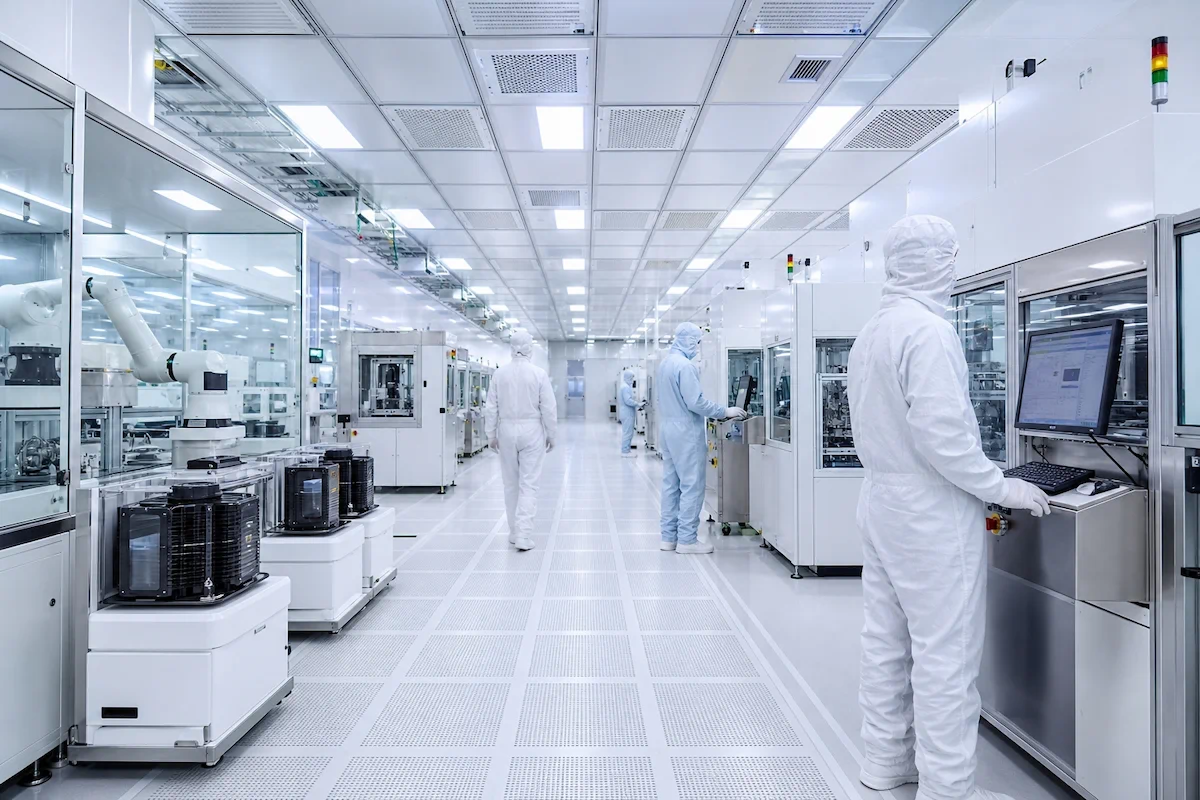
Seoul unveiled 13 regulatory reforms: the cycle from semiconductor complex planning to fab operation shrinks from over 10 years to under five, with permits, land compensation and design running in parallel.
Why it matters
South Korea plans to cut semiconductor industrial complex development times to within five years, the government said Friday (Oct. 23), unveiling 13 regulatory changes at a Presidential Regulatory Rationalization Committee meeting chaired by President Lee Jae-myung — a direct bid to keep pace in the global race for AI chips and advanced manufacturing capacity. (Reported by Aju Press and the Seoul Economic Daily; no official government release page was available.)
What changes
Approvals, land compensation and complex design — largely carried out sequentially today — would proceed simultaneously, shrinking the period from industrial complex planning to fab operations from more than 10 years. An amendment to the Industrial Sites and Development Act enabling the fast track was introduced in July; if a cluster is designated a super-regional strategic industry special zone, infrastructure approvals could be handled together.
Bonded-zone rules are eased in parallel: entire advanced industrial complexes could be designated comprehensive bonded zones instead of individual fabs, cutting red tape. About 95 percent of Korea's semiconductor exports are manufactured or processed at bonded factories, per the industry ministry. Foreign equipment used in fab construction becomes eligible for deferred customs payments, and repair parts for overseas-made chipmaking equipment could be stored at bonded factories in advance to reduce downtime.
Rules on high-pressure gases used in chipmaking will allow technical reviews and permit changes for multiple gas cabinets to be processed together. Key semiconductor R&D personnel in super-regional special zones could get special working-hour arrangements, subject to compensation, health protections and labor-management consultations.
Official line and context
Industry Minister Kim Jung-kwan said speed had become increasingly important in global semiconductor competition, with delays potentially affecting companies' investment schedules and ability to secure markets. A presidential semiconductor competitiveness committee will coordinate across ministries and track corporate investment from construction through operation.
Lee also weighed in Friday on exempting the chip industry from the 52-hour workweek cap, suggesting new legislation may be unnecessary if the labor ministry resolves "institutional inconveniences" through integrated approvals — though the industry remains anxious about whether it will actually get an exemption.
💬 Comments
No comments yet. Be the first!