 N環球
N環球 
Lagos pushes ahead with €410 million Omi-Eko waterways project to drive integrated transport
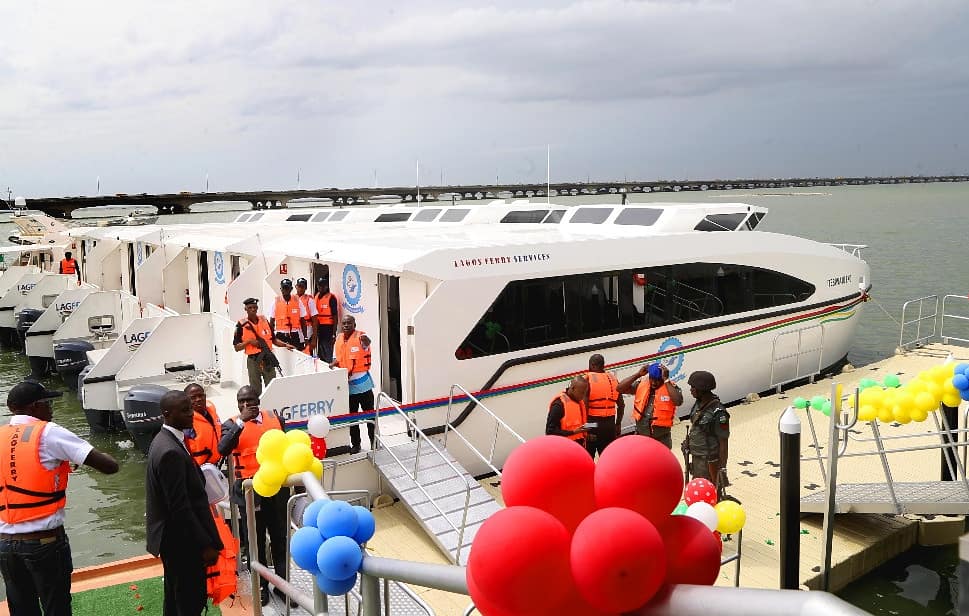
Lagos State is implementing the €410 million Omi-Eko inland waterways project — 15 ferry routes, 140 km of dredged channels, 25 terminals and electric ferries — to build an integrated water transport system and cut road congestion.
Why it matters
Lagos is moving ahead with its flagship €410 million Omi-Eko inland waterways programme to build a modern, integrated water transport system — 15 ferry routes, 140 km of dredged channels, 25 terminals and up to 78 electric ferries — aimed at cutting congestion in Africa's most populous city, where more than 540,000 people in waterfront communities depend on water transport.
Full report
The Lagos State government says it is implementing the Omi-Eko project to establish a modern, integrated public inland waterways transportation system. Special Adviser on Blue Economy to the governor, Oluwadamilola Emmanuel, disclosed this at the 2026 Transport Correspondents Association of Nigeria (TCAN) summit in Lagos on October 1, saying the project followed a two-year pre-feasibility study conducted with support from the French Development Agency (AFD).
The €410 million project is co-financed under the EU's Global Gateway initiative: the European Investment Bank (€170 million), AFD (€130 million), the European Union (€60 million grant) and the Lagos State Government (€40 million counterpart funding), with the remaining €10 million expected from private-sector participation, including the ticketing system.
The five-year project will establish 15 structured ferry routes, dredge about 140 kilometres of waterways, upgrade 25 ferry terminals with electric charging stations, and provide about 78 modern electric ferries, each carrying up to 440 passengers. As an example, the Ikorodu–Falomo journey, which can take more than an hour by road, could be completed in about 25 to 30 minutes by water. The project targets raising waterborne transport's share from under 1% to about 8% by 2032 and cutting CO₂ emissions by 41,000 tonnes a year.
Emmanuel said Lagos is also strengthening regulation, safety oversight, terminal development and crew standards, while developing a Vessel Industry Transition Programme to integrate informal-sector operators. Governor Babajide Sanwo-Olu formally launched the project in October 2025.
💬 Comments
No comments yet. Be the first!