 N環球

London open to slavery apology but rules out reparations, PM Burnham says
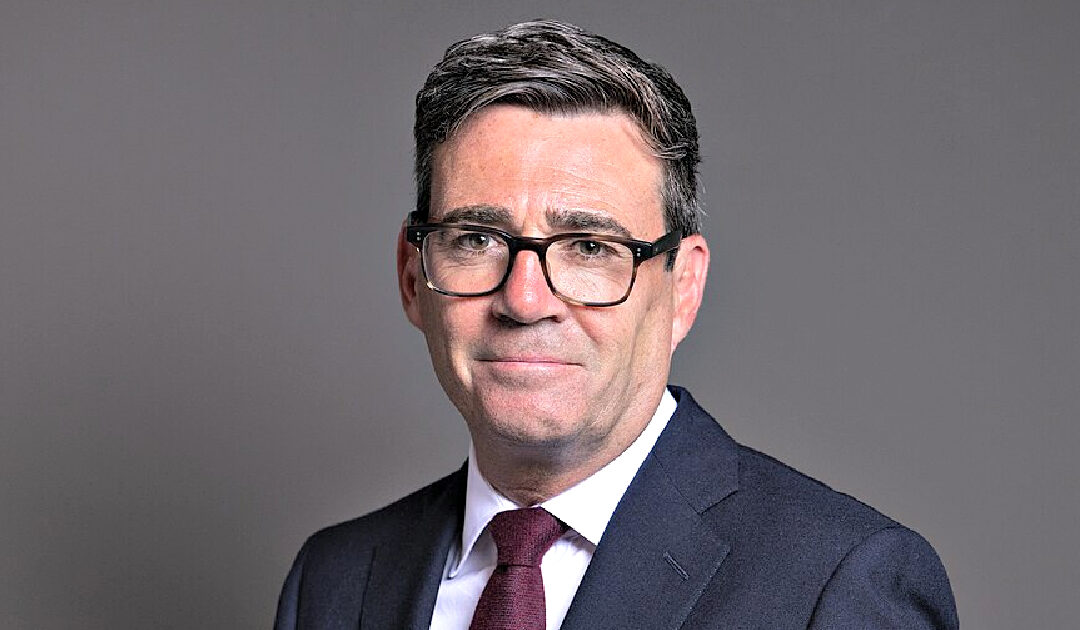
British Prime Minister Andy Burnham says the UK is open to formally apologising for its role in the transatlantic slave trade, but has ruled out reparations; Caribbean nations called an apology without repair “incomplete”, while the opposition criticised the move as “navel-gazing”.
British Prime Minister Andy Burnham has said the United Kingdom is open to formally apologising for its role in the transatlantic slave trade, but has ruled out reparations. In an opinion article in The Guardian on Friday, Burnham wrote: “I want to express my sorrow and regret for the pain and suffering of so many millions of people, and to recognise the way it still shapes our world today.”
Apology, not reparations — debt relief instead
Burnham made clear in the article that he does not believe today's Britons should pay for the past: “I do not think that British people today can be held liable for historical wrongs, however heinous, that happened in a different age under different laws and in which they played no personal part.” Instead, he said, the UK was “offering a structured dialogue” with those affected, and would help the poorest countries repay their debts over a longer period, with former Chancellor of the Exchequer Gordon Brown — who spearheaded the UK's 1991 initiative to reduce debt for poorer countries — leading the effort.
Statement comes ahead of Commonwealth summit
The move comes ahead of a four-day summit starting on Sunday (15 November) of the 50-plus Commonwealth nations formerly colonised by Britain, in St John's, the capital of Antigua and Barbuda, hosted by King Charles III, who arrived in the Caribbean last week. In his article, Burnham said that in “an increasingly divided and dangerous world”, the Commonwealth is “vital to our interests”, and that Britain “can seize opportunities for trade and economic collaboration”.
Caribbean nations call apology “incomplete”; opposition objects
Saint Lucia's Prime Minister Philip J. Pierre, who currently chairs the Caribbean Community (CARICOM), said the organisation rejects the argument that Britain today cannot be held responsible for slavery. “Reparatory justice has never been about individual guilt. It is about the responsibility of states and institutions — and that responsibility does not expire with the passing of generations,” he said, adding that without repair, Burnham's apology was “incomplete”. Ghana's President John Dramani Mahama said he welcomed Burnham's statement with “caution” and reiterated the need for a formal apology, targeted investments and an international commitment to “dismantle systemic racism and Afrophobia”.
Conservative Party leader Kemi Badenoch criticised the move as “navel-gazing”, saying there was “no reason British taxpayers today should be held financially responsible for things that happened generations before any of us were born”. Bell Ribeiro-Addy, chair of the All-Party Parliamentary Group for Afrikan Reparations, welcomed Burnham's steps but said action was still “lacking”.
The history behind the debate
The transatlantic slave trade lasted from the 16th to the 19th centuries, with some 12 million enslaved Africans forcibly transported to the Americas. Britain alone transported 3.1 million Africans to its colonies, of whom 2.7 million arrived, with many perishing on the voyages. Britain banned the slave trade in 1807 and slavery itself in 1834. In 2006, then-Prime Minister Tony Blair expressed “deep sorrow” for Britain's role in the slave trade, but stopped short of apologising or discussing reparations. The Netherlands apologised in 2022, France recognised slavery as a crime against humanity in 2001, and the Church of England set up a £100 million fund to address the legacies of slavery.
Since 2013, CARICOM has called on Western countries to acknowledge their role and pay monetary reparations; in recent years those calls have grown louder, led by Barbados Prime Minister Mia Mottley. In June, Mottley announced a 19-point manifesto at a conference in Ghana calling for a “full and formal apology”, monetary compensation, technology transfer, education and healthcare funding, debt relief and economic development support.
(File photo: British Prime Minister Andy Burnham.)
💬 Comments
No comments yet. Be the first!