 N環球

London mayor's licensing call-in powers take effect today, letting City Hall overrule boroughs
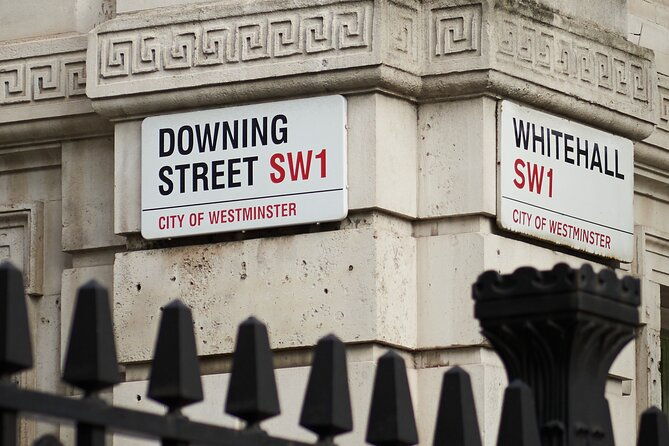
Mayor of London Sadiq Khan's licensing call-in powers came into force on November 3: applications deemed of potential strategic importance to Greater London — covering pubs, nightclubs and live music venues — can be called in and decided finally by the mayor, and boroughs must consult him when revising licensing policies. Westminster's deputy leader criticised the definition as so broad it could cover nearly 80% of licensed premises in the borough, calling it a land grab. (Cover photo is a file photo of the Westminster area of London.)
The Mayor of London's licensing call-in powers came into force on November 3: licensing applications deemed of potential strategic importance to Greater London can be called in and determined finally by Mayor Sadiq Khan, overruling the borough council, and boroughs must also consult the mayor when revising their licensing policies, with City Hall able to make formal representations on applications. It is one of the most significant shifts in how licensing works in the capital since the Licensing Act 2003, although the vast majority of applications will still be decided at borough level. (Cover photo is a file photo of the Westminster area of London.)
What counts as strategic: high rateable values, big venues, late hours
Under the regulations, strategic premises include those in the two highest rateable bands — anything above £87,000 a year — and any venue with a capacity greater than 5,000 people. Premises with rateable values as low as £4,300 that wish to stay open after 11 p.m. also fall into the strategic category, as do live music venues in bands B and C and applications for licences of less than three months' duration; only premises in the lowest rateable band are untouched. The government says the reform is designed to deliver a more enabling, proportionate and growth-focused approach; the mayor has said he will use the powers with a pro-jobs approach, and a final London-wide licensing policy is expected later this year. Ministers have sought to reassure boroughs that the power is intended only for specific circumstances, as a last resort, and that the local licensing authority will continue to be the key decision-maker.
Borough pushback: Westminster says nearly 80% of its premises could be called in
London Councils, the body representing all of the capital's local authorities, is understood to be considering its response to the scope of the powers, which is wider than some had expected. Westminster City Council deputy leader Tim Barnes told BBC News the move transfers authority from councils to City Hall: devolution means taking power down so it is closer to the people, he said, whereas this takes powers the council has and takes them upwards into the mayor. He argued the proposed definition of a strategic application was so broad it could cover nearly 80% of licensed premises in Westminster, describing it as much more like a land grab by the mayor to try to take control of ever more things into his empire rather than a use of powers actually trying to solve a problem. Barnes also noted Westminster already approves about 98.5% of valid licensing applications, that the mayor would still be bound by the same licensing objectives as councils, and that issues in busy nightlife areas such as the West End were less about licensing rules than about having enough police and resources to manage crowds.
💬 Comments
No comments yet. Be the first!