 N環球

London proposes fully electric rule for newly licensed minicabs from July 2028
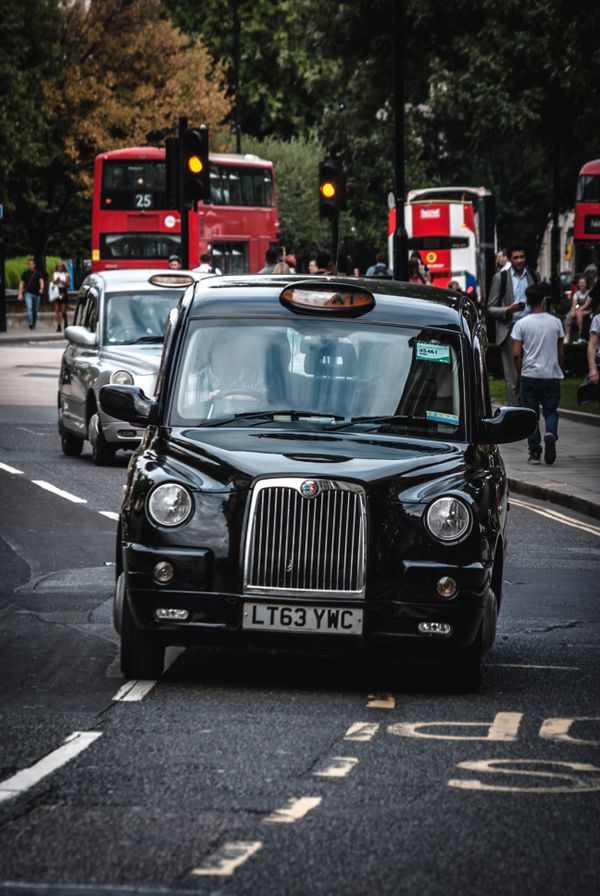
Transport for London is consulting on requiring private hire vehicles new to licensing to be fully electric from 3 July 2028, with wheelchair-accessible vehicles following on 1 July 2030. The consultation runs until 2 December 2026; the rules are proposals only.
Why it matters
Transport for London (TfL) has opened a consultation on requiring all private hire vehicles (PHVs) new to licensing in London to be fully electric from 3 July 2028, with wheelchair-accessible vehicles following on 1 July 2030. The consultation runs until 23:59 on Wednesday 2 December 2026. The rules are proposals only, and whether and in what form they are implemented depends on the consultation and decision-making process.
Full report
The requirement would apply only to vehicles new to licensing, so it would not force existing cars off the road on electrification grounds. It would cover vehicles dispatched through ride-hailing apps such as Uber, Bolt and Lyft as well as traditional minicabs, but not separately regulated black taxis. Petrol, diesel, mild hybrid, full hybrid and plug-in hybrid vehicles would no longer qualify for new PHV licences.
Other proposed licensing changes, from 1 March 2027, include ending new approvals for alternative-fuel conversion systems such as liquefied petroleum gas and compressed natural gas, and for new exhaust abatement systems; shortening the period in which an expired taxi or PHV licence can be relicensed from 24 months to 12 months, after which the vehicle would be treated as a new application; and preventing PHVs from remaining licensed once they reach 10 years old.
TfL forecasts the changes would cut PHV nitrogen oxide emissions by 9 percent and carbon dioxide emissions by 35 percent over the first ten years, compared with existing licensing requirements, and by up to 97 percent for both over 18 years. These are forecasts, not guaranteed outcomes. On the current fleet, TfL says more than 70 percent of London PHVs are now zero-emission capable; as of September 2026, 35.5 percent of the 94,661 licensed PHVs were fully battery-electric and 35.2 percent were plug-in hybrids.
London Assembly Labour transport spokesperson Elly Baker said moving towards fully electric PHVs is an important step towards cleaner air, but warned the transition must work for drivers too: switching vehicles is a major investment, and charging costs and limited charging infrastructure create barriers, particularly for drivers living in flats without off-street parking. She called on TfL to expand charging provision and work with the industry on affordability.
💬 Comments
No comments yet. Be the first!