 N環球

Montreal study: wildfire smoke advisories shifted travel far less than hoped
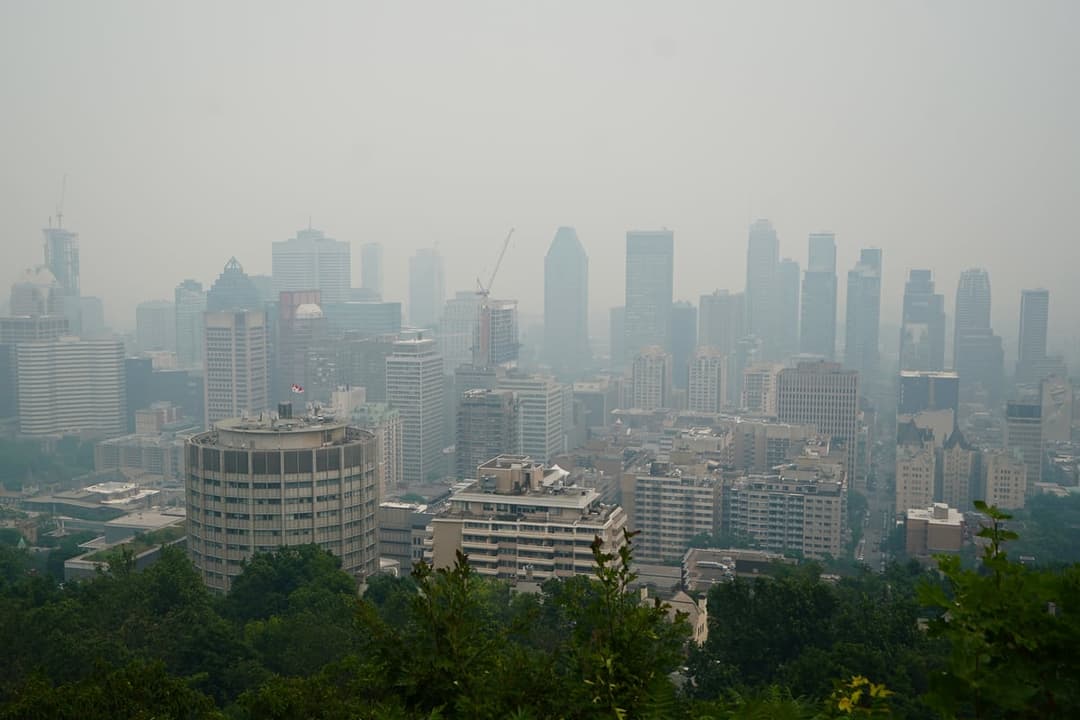
McGill University analyzed mobility data across 27 air quality advisory days from 2022–2025: BIXI trips fell 5.8%, bus ridership rose 6.7%, metro rose 4.7%, while outdoor running showed no significant change. The team recommends pairing advisories with practical measures such as reduced transit fares.
Why it matters
Air quality advisories urge Montrealers to limit outdoor activity, but a new McGill University study finds the city's travel patterns shifted far less than public health officials had hoped. The researchers say the advisories' real-world effectiveness needs a serious look as smoky seasons grow more frequent.
Full report
Researchers at McGill's Platial Analysis Lab examined how Montrealers moved during 27 days, in 2022 through 2025, when smoke-related air quality advisories were in effect. Rather than comparing advisory and no-advisory days directly, they built a forecasting model for each travel mode that accounted for weather, day of the week, season, holidays and major public events, then used the gap between predictions and reality to estimate the advisories' effects.
On advisory days, BIXI bikeshare trips fell by 5.8 per cent, while bus ridership rose by 6.7 per cent and metro ridership rose by 4.7 per cent. "While people moved from open-air travel into enclosed modes, which is what the bulletins ask for, the size of the change was small," said co-author Daniel Romm, a PhD candidate in the Department of Geography. Outdoor running — the activity bulletins caution against most directly, measured with Strava data — showed no statistically significant change at all.
Responses varied by borough: the steepest declines in bikeshare use were in outlying boroughs, not downtown. Most metro stations gained riders, but Place-d'Armes in the downtown core lost 6.2 per cent of its traffic, while Université-de-Montréal gained 24.8 per cent — suggesting students and staff who normally cycle switched to transit, with some downtown trips skipped altogether.
Romm said the findings present an opportunity for practical strategies: "Advisories may need to be paired with practical measures that make compliance easier, such as temporarily reduced transit fares during smoke episodes, or employer support for remote work." The team plans similar analyses in other cities. The study was published in Health & Place.
💬 Comments
No comments yet. Be the first!