 N環球

NXP launches modular robotics platform with drones flying 30 minutes out of the box
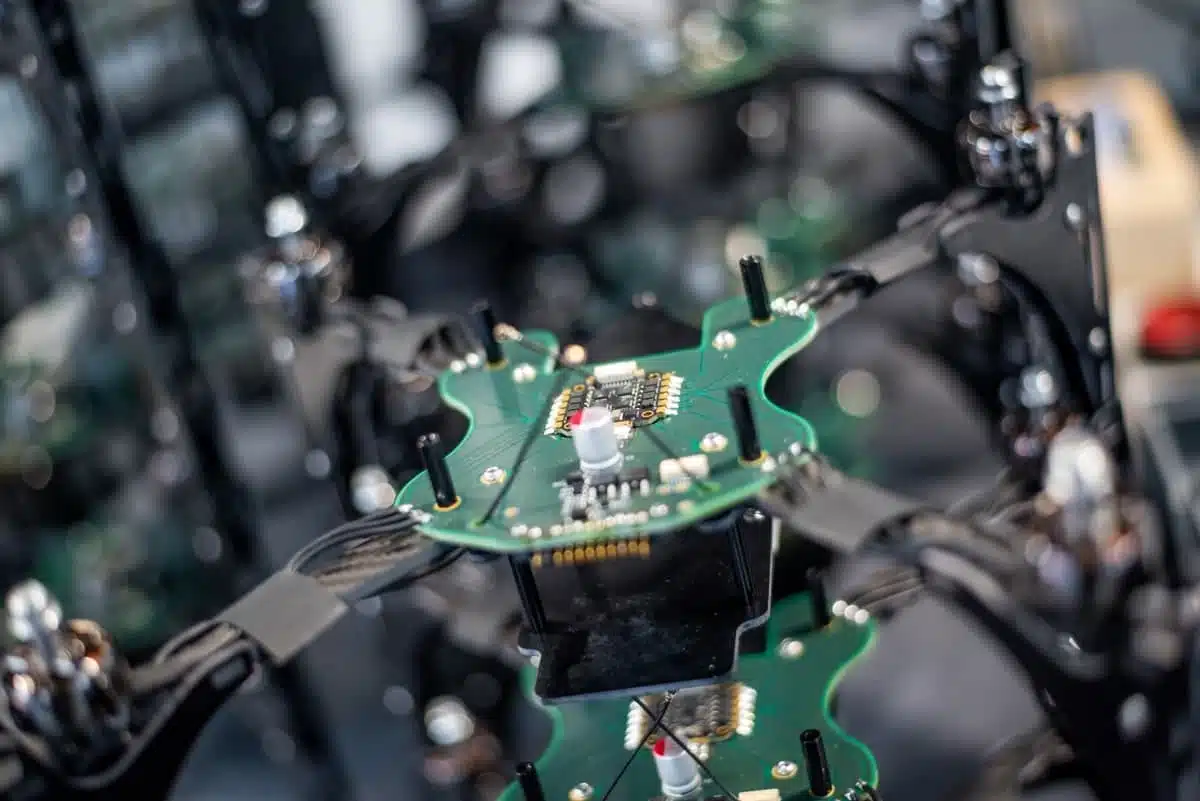
Dutch chipmaker NXP Semiconductors launched a modular robotics development platform on November 9, bundling processors, open-source software and reference designs and claiming it can cut drone development from months to days; built on a 'Neural Axis Architecture' linking sensing, real-time control and AI compute, the first drone reference designs are available now, though the hardware is still preproduction.
Dutch chipmaker NXP Semiconductors announced on November 9, 2026, a modular robotics platform aimed at physical AI systems. The company said the platform bundles processors, open-source software and reference designs so developers can get initial drone functionality within 30 minutes out of the box, cutting subsystem integration and validation that often takes months down to days or weeks.
'Neural Axis Architecture' links sensing, control and AI compute
The platform is built on NXP's Neural Axis Architecture, a distributed foundation for securely connecting sensing, real-time control, AI processing and communications. The Robotics SDK integrates open-source software including ROS 2 Jazzy, the PX4 autopilot, Zephyr RTOS and NuttX, with the eIQ Toolkit and Ara SDK for edge-AI work; connectivity support includes Zenoh, MAVLink, DShot and 100BASE-T1 automotive Ethernet.
Four drone reference designs, from flight control to motors
The first drone reference designs split the work clearly: the NavQ95 (i.MX 95 applications processor) handles autonomy compute and flight control; the Tropic flight-management unit (i.MX RT1064 crossover microcontroller) handles flight management; the 100Base-T1 Sensor Node (MCX N947 microcontroller) handles intelligent sensor networking; and an AM32-compliant electronic speed controller (MCX A13 microcontroller) handles motor control. NXP said the designs have been validated for interoperability across the complete drone system, letting developers start from a single function and scale up to a full autonomous flight system.
Safety first, but the hardware is still preproduction
Jerome Legros, NXP's robotics vice president and general manager, said safety, real-time control and full-lifecycle reliability are the foundation for trusted physical AI systems operating around people, while Orqa CEO and co-founder Srdjan Kovačević stressed the need for efficient communication between computing elements, predictable behaviour and extremely low latency. The platform, drone reference designs and SDK are listed as available now, but the Modular Drone Platform and its four associated boards still carry preproduction labels and their specifications may change. NXP said reference designs for service robots, autonomous mobile robots and other autonomous systems will follow in the second half of 2027.
💬 Comments
No comments yet. Be the first!