 N環球

Budget 2026 promises law to speed up Alto high-speed rail, starting with Ottawa–Montreal
Canada's Budget 2026 promises legislation to accelerate the Alto high-speed rail project, streamlining land expropriation and allowing early pre-construction work; the Ottawa–Montreal section comes first, with construction targeted for 2029 and about $1.7 billion planned through 2031 for planning and design.
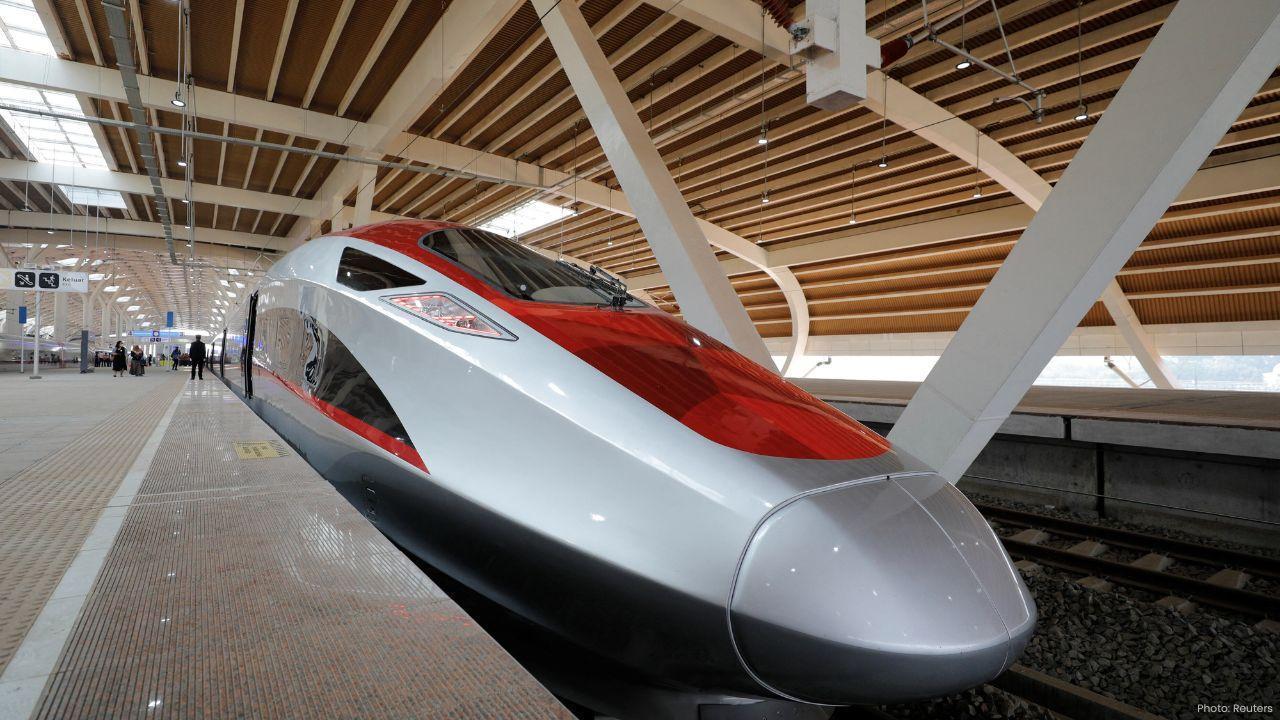
The federal government promised in Budget 2026, tabled on Thursday, November 5, to introduce legislation to accelerate construction of the Alto high-speed rail project — streamlining land expropriation and allowing early pre-construction work to begin. The Ottawa–Montreal section is the first segment, and Alto expects to announce a more narrowly defined corridor for it by the end of the year, which could set the stage for land acquisition to begin. (Photo: a high-speed train, file photo.)
$1.7 billion for early work; final cost still unknown
The budget plans about $1.7 billion through 2031 to support co-development of the railway — planning, engineering, design, consultations and other preparatory work, not the cost of building it. The roughly 1,000-kilometre electrified line would connect Toronto, Peterborough, Ottawa, Montreal, Laval, Trois-Rivières and Quebec City, developed by the federal Crown corporation Alto with private-sector partner Cadence. The Parliamentary Budget Officer estimated on October 1 that building the eastern corridor could cost $75 billion to $113 billion, above the government's earlier estimate of $60 billion to $90 billion; Alto expects to submit a more detailed business case to the federal government in 2027. If construction on the Ottawa–Montreal section begins in 2029, it is expected to take about eight years to build. The budget also referred the project to the federal Major Projects Office to coordinate approvals.
Expropriation touches residents most; bill details unclear
The budget text as reported does not say when the bill will be tabled, how expropriation would change, or which properties could be affected. For people living near the proposed route, expropriation is the part of the plan that touches them most directly — land must be acquired before track can be laid. Alto purchased its first property in September without disclosing its location, and its corporate plan filed with Parliament budgets about $341 million from 2025 to 2028 for early acquisitions. Bill C-15, passed in March, removed the public hearing requirement for Alto expropriations, a change residents' groups along the route have criticised as giving the project too much power.
VIA Rail gets $1.2 billion for operations
The budget also promises $1.2 billion over three years for VIA Rail operations and maintenance, plus funding for remote passenger services. Alto has been controversial since it was announced: supporters call it a national infrastructure priority, while critics question its cost and benefits. The budget gives no timetable for the legislation, and Alto has yet to publish a final route, fares or an opening date.
(Sources: Canadian Press; The Globe and Mail; Trains; Ottown, November 6, 2026.)
💬 Comments
No comments yet. Be the first!