 N環球

Paris summit launches Paris Manifesto as global left pushes 2% minimum tax on billionaires
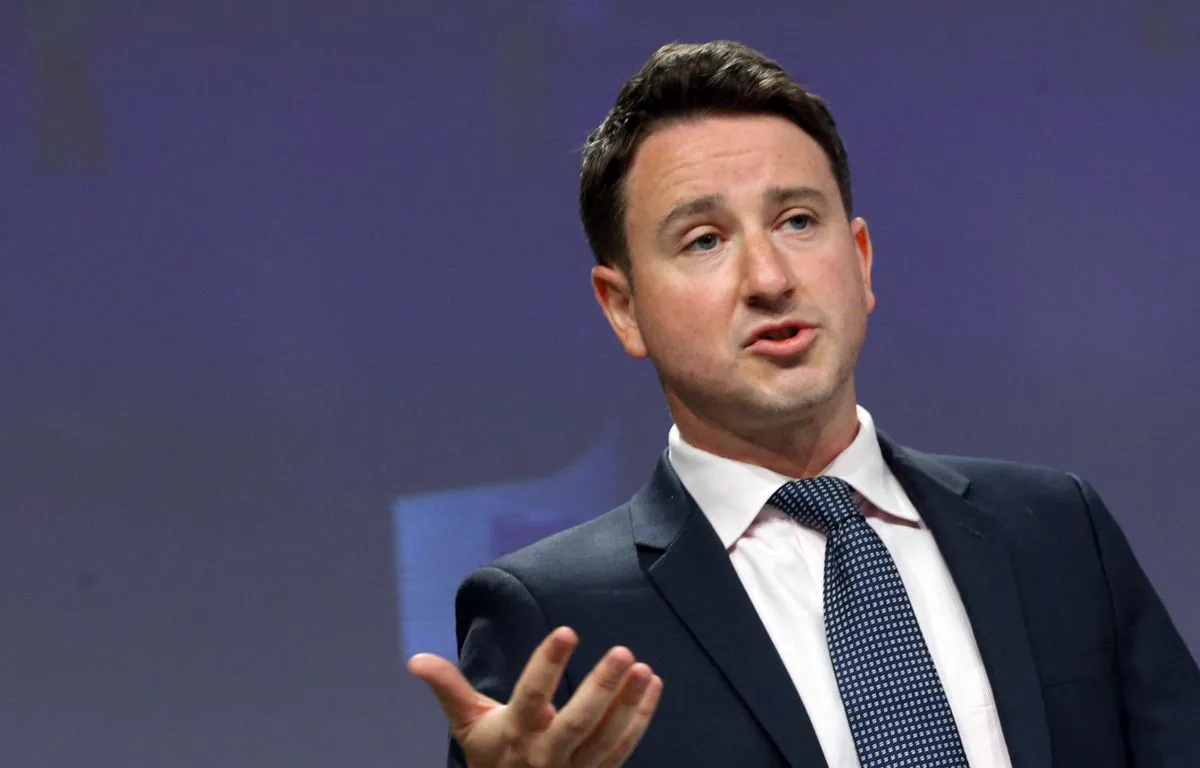
The first Paris Summit Against International Oligarchy was held on Saturday, with French economist Gabriel Zucman unveiling the Paris Manifesto, which calls for a minimum annual tax of at least 2% on billionaires' wealth, protections for press freedom and a new ownership model for AI companies; four Nobel laureates in economics signed on, and left-wing leaders including former Chilean president Gabriel Boric attended.
The first Paris Summit Against International Oligarchy was held on Saturday (November 21) at the Théâtre de la Concorde in Paris, where French economist Gabriel Zucman unveiled the Paris Manifesto, calling for a minimum annual tax of at least 2% on the wealth of the world's billionaires, protections for press freedom and a new ownership model for artificial intelligence companies. The declaration was signed by more than 100 scholars, including four Nobel laureates in economics.
“Cutting their heads off would be radical”
Former Chilean president Gabriel Boric told the summit: "Radical would be cutting their heads off. But we are not proposing that." A minimum tax on the world's largest fortunes, he said, is "arithmetic." Zucman said: "It's the status quo which is radical." He cited polls putting French support for taxing billionaires at 86%. The summit ran for almost 12 hours in a packed hall, with attendees including US Representatives Ro Khanna and Pramila Jayapal and opposition leaders from Italy, Germany, Britain and the Netherlands.
Three demands in the manifesto
The Paris Manifesto makes three demands: a minimum tax on the ultra-rich; protection for independent media; and an international non-profit ownership model for AI companies that gives workers and the public a greater say. It warns that extreme concentration of wealth lets a small number of people shape multinational corporations, the media and public policy, threatening democracy. Signatories include Nobel laureates Joseph Stiglitz, Esther Duflo, Paul Krugman and Daron Acemoglu, as well as economist Thomas Piketty. Stiglitz cited Jeff Bezos's ownership of the Washington Post as an example of how the super-rich buy media influence.
A pivot after the California defeat
The summit came less than three weeks after California voters rejected a billionaire tax backed by Zucman, in a campaign in which opponents spent more than $300 million, including Google co-founder Sergey Brin. Zucman called the defeat a setback, not a verdict, and pointed to US midterm wins by Democrats who campaigned on taxing the ultra-rich as a source of hope. His 2% minimum tax comes from a 2024 report he wrote for Brazil's G20 presidency, which estimated it could raise $200 billion to $250 billion a year in additional public revenue worldwide.
A cool reception from French politics
The European Commission sent no representative to the summit, and France's presidential hopefuls stayed away ahead of next spring's presidential election. France's far-left France Unbowed party and the Greens have fully embraced the 2% wealth tax; other left-wing figures have proposed alternatives, such as higher taxes on inheritances above €1.8 million and a one-off 5% levy on fortunes above €100 million.
💬 Comments
No comments yet. Be the first!