 N環球

Powerlattice raises $86 million in filing: power-delivery chiplet targets AI's power crunch
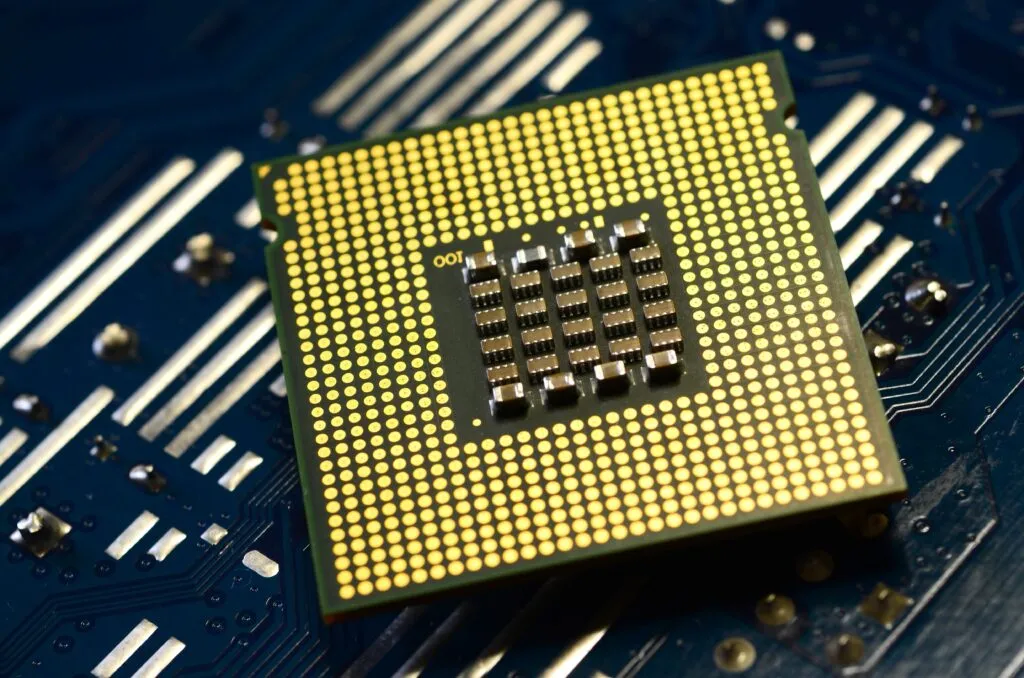
An SEC filing shows Vancouver, Washington-based Powerlattice has raised $86 million toward a $111 million target; its power-delivery chiplet puts voltage regulation inside the processor package to ease AI chips' power and cooling strain.
Chip startup Powerlattice has raised $86 million, according to a filing with the U.S. Securities and Exchange Commission reported by GeekWire on October 30. The filing shows the company is seeking $111 million in total, with 18 investors participating so far. It does not name the investors or the round, and the company declined to comment.
What the filing shows
The amount is nearly triple the roughly $31 million the company had raised when it emerged from stealth last November, including a $25 million Series A led by Playground Global and Celesta Capital. Former Intel CEO Pat Gelsinger, a partner at Playground, sits on the board, as does Celesta's Steve Fu.
What the technology does
Powerlattice makes what it calls a power-delivery chiplet: a small component that sits inside the processor package and regulates voltage close to the compute die. Conventional setups route current over longer paths to the processor, wasting energy along the way; the company says shortening that path can cut total compute power needs by more than half and boost performance, a company claim not yet backed by independent verification.
Earlier this week, the company said it had demonstrated what it describes as the industry's first monolithic integrated voltage regulator (IVR) chiplet, packing the controller, power transistors and inductors onto a single piece of silicon. In the test, the chiplet powered a device Powerlattice built to mimic the fast-shifting electrical loads of next-generation AI accelerators, and the company says multiple chiplets can be linked to work as one so designers can match power delivery to their processors.
What to watch
AI chips are drawing so much electricity and throwing off so much heat that data-centre operators are running into limits on available power and cooling, GeekWire notes — the backdrop for interest in power-delivery technology. About $25 million of the $111 million target remains unraised in the filing; the company has not announced a production or customer-adoption timetable.
💬 Comments
No comments yet. Be the first!