 N環球

Singapore to buy only sustainable aviation fuel cutting lifecycle emissions by at least 40%
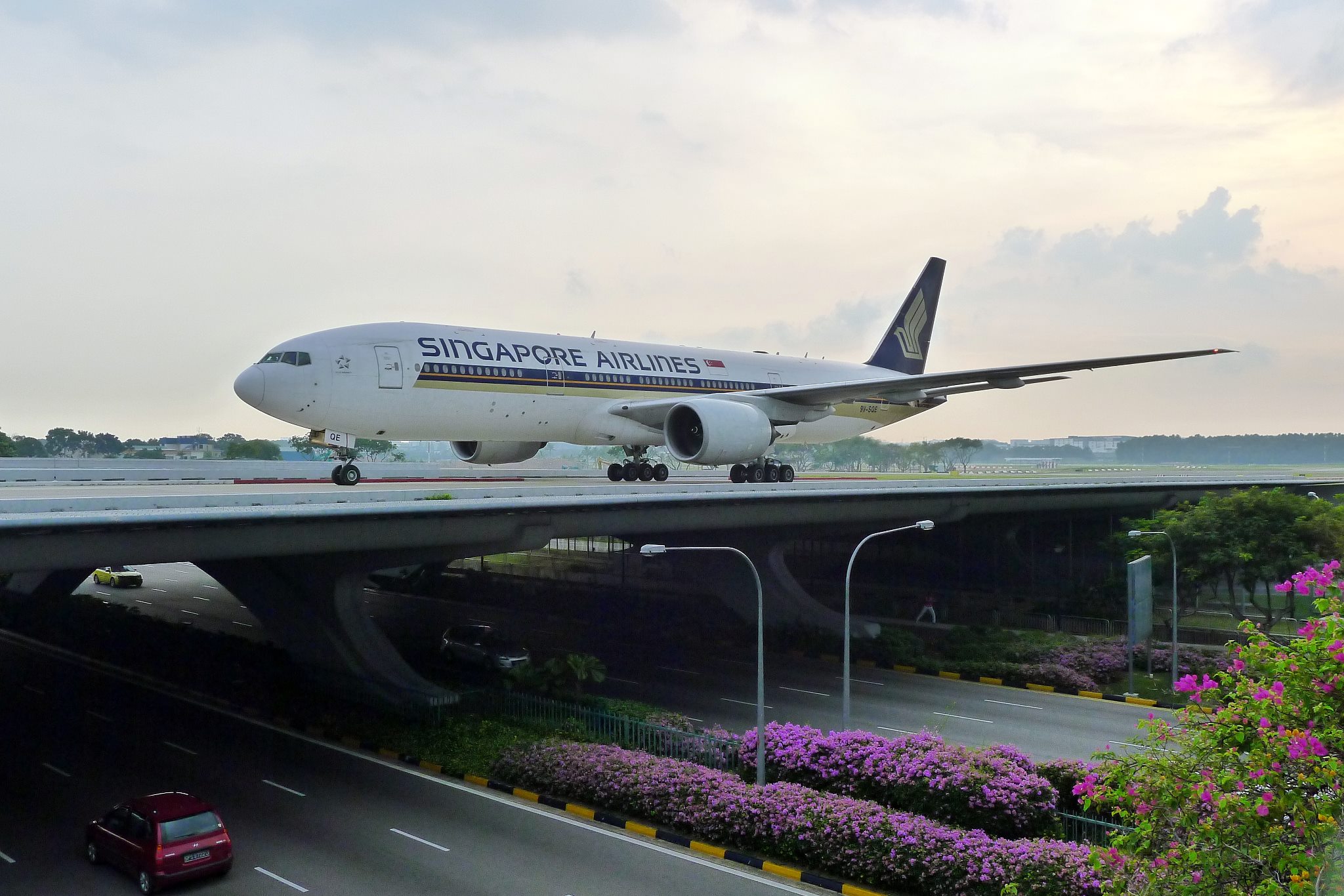
Singapore's Civil Aviation Authority has set a new standard: sustainable aviation fuel bought with proceeds from its SAF levy must deliver at least 40% lower lifecycle greenhouse gas emissions than conventional jet fuel, above the 10% minimum under ICAO's CORSIA scheme. The first tender opens in mid-December for 20,000 to 30,000 tonnes, with delivery from June 2027.
Singapore's Civil Aviation Authority (CAAS) has set a new standard: sustainable aviation fuel (SAF) bought with proceeds from its SAF levy must deliver at least 40 percent lower lifecycle greenhouse gas emissions than conventional jet fuel. The first tender will be called by mid-December, with delivery from June 2027. The criteria were announced on November 5 and reported by The Straits Times on November 9. (Image: file image of Changi Airport.)
Two thresholds to clear
SAF bought with levy proceeds must meet two sustainability criteria. First, it must be eligible under the International Civil Aviation Organization's Carbon Offsetting and Reduction Scheme for International Aviation (CORSIA). Second, it must achieve at least a 40 percent reduction in lifecycle emissions compared with conventional jet fuel. CAAS said the 40 percent threshold was benchmarked against standards in other jurisdictions and sits above CORSIA's 10 percent minimum.
First tender: 20,000 to 30,000 tonnes
The tender will be run by the Singapore Sustainable Aviation Fuel Company Ltd. (SAFCo), wholly owned by CAAS, for an initial volume of 20,000 to 30,000 tonnes, as part of a portfolio approach combining term contracts and spot purchases. SAFCo briefed 15 potential suppliers and producers on the criteria on November 5. Bidders must show they can deliver SAF into Changi Airport through the existing fuel hydrant installation and meet the technical quality and sustainability requirements; successful tenderers will deliver the fuel in blended form from June 2027.
The levy and the longer-term targets
The SAF levy applies to tickets sold from October 1, 2026 for flights departing from January 1, 2027, and this tender is the first procurement funded by it. Singapore's longer-term targets are for SAF to account for 1 percent of total jet fuel consumption at Changi and Seletar airports in 2027, rising to 3 to 5 percent by 2030.
Why the threshold matters
The point of the 40 percent threshold is to make sure levy money buys real emissions cuts, not merely fuel that is green in name. For airlines and passengers, the levy will eventually show up in ticket prices; for suppliers, whether they can reliably supply fuel that clears the threshold, and at what price, will decide the tender. The first tender opens in mid-December, when the answers will start to emerge.
💬 Comments
No comments yet. Be the first!