 N環球

Singapore Widens GFA Exemptions, Eaves and Sun-Shading Up to 3 Metres, and Boosts Green Retrofit Funding
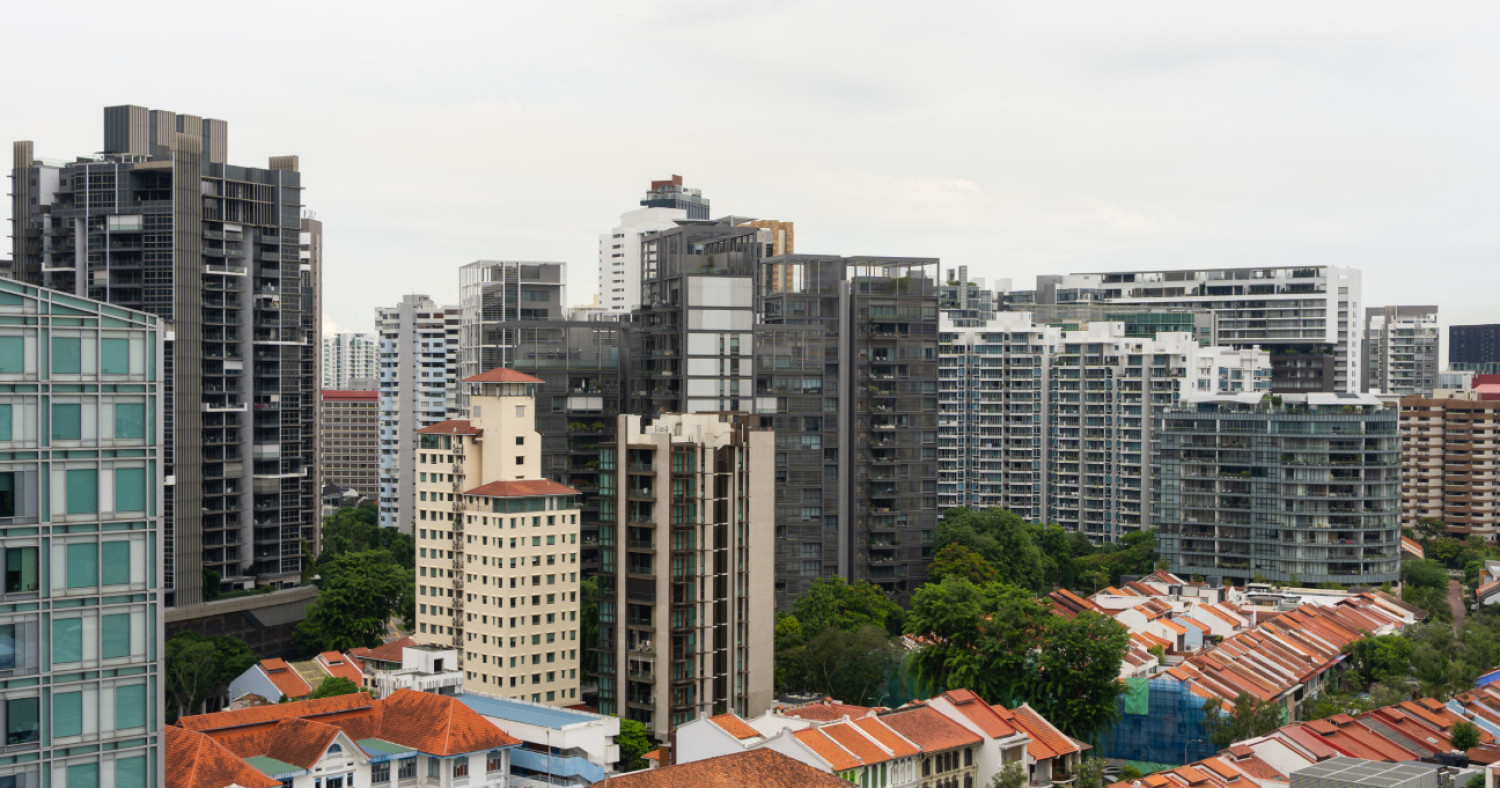
National Development Minister Chee Hong Tat announced on November 26 that the Urban Redevelopment Authority will widen gross floor area exemptions in three areas, including eaves and sun-shading devices up to 3 metres, covered linkways and M&E spaces in all basement floors; the Green Mark Incentive Scheme for Existing Buildings 2.0 is enhanced, with applications extended to March 31, 2030.
Singapore's Minister for National Development, Chee Hong Tat, announced on Thursday, November 26, at the Real Estate Developers' Association of Singapore's (REDAS) 67th anniversary dinner that the Urban Redevelopment Authority (URA) will widen gross floor area (GFA) exemptions to give developers greater flexibility in building design, while enhancing funding support for energy-efficiency upgrades in existing buildings.
Three exemptions widened
URA is revising its GFA exemption guidelines in three areas. For roof eaves and sun-shading devices, the maximum width eligible for exemption will rise from 2 metres to 3 metres, encouraging owners to provide wider eaves and shading for better weather protection in Singapore's tropical climate; owners outside conservation areas will no longer need URA approval to add these features, as long as they meet prevailing requirements. Covered linkways within developments will qualify for exemption even if they are not integrated with landscaping, making it easier to offer sheltered connections. For mechanical and electrical (M&E) spaces, the exemption currently applies only to basement carpark floors and will be extended to M&E spaces on all basement floors, giving developers more options for building services and freeing ground-floor space for more active uses; URA will share more details when ready. The first two changes take effect on November 26.
More funding for green retrofits
Three enhancements to the Green Mark Incentive Scheme for Existing Buildings 2.0 (GMIS-EB 2.0) also take effect on November 26. Owners undertaking targeted energy-efficiency upgrades, such as improvements to chiller plants, can now qualify for funding without obtaining full Green Mark certification, provided they meet the required energy-efficiency standards. Funding support will be increased and expanded to cover more decarbonisation solutions, including structural roof strengthening for solar panel installations, alternative cooling technologies, and collaborations between landlords and tenants to improve energy management. With the enhanced funding, the payback period for energy-efficiency retrofits is expected to be about two years shorter on average. The application period for the scheme will be extended by three years to March 31, 2030, giving owners more time to plan retrofits alongside equipment replacements. REDAS called the changes timely as Singapore's building stock ages, saying they strengthen the business case for capital-intensive retrofits and help lower the carbon footprint of the built environment.
A more vibrant city centre
Chee also spoke about efforts to rejuvenate the city centre, including the possibility of introducing short-term sports and recreational uses near Park Street in Marina Bay, the redevelopment of Marina Square bringing new arts and green spaces, more flexibility for nightlife uses along the Singapore River with extended liquor trading hours, and a plan to combine Istana Park, Dhoby Ghaut Green and Penang Road Open Space with a 500-metre pedestrianised stretch of Orchard Road into an expanded park. (Source: EdgeProp)
Pictured: residential buildings in Singapore. (Image: EdgeProp)
💬 Comments
No comments yet. Be the first!