 N環球
N環球 
Singapore PM Wong rules out weakening the Sing dollar to boost competitiveness
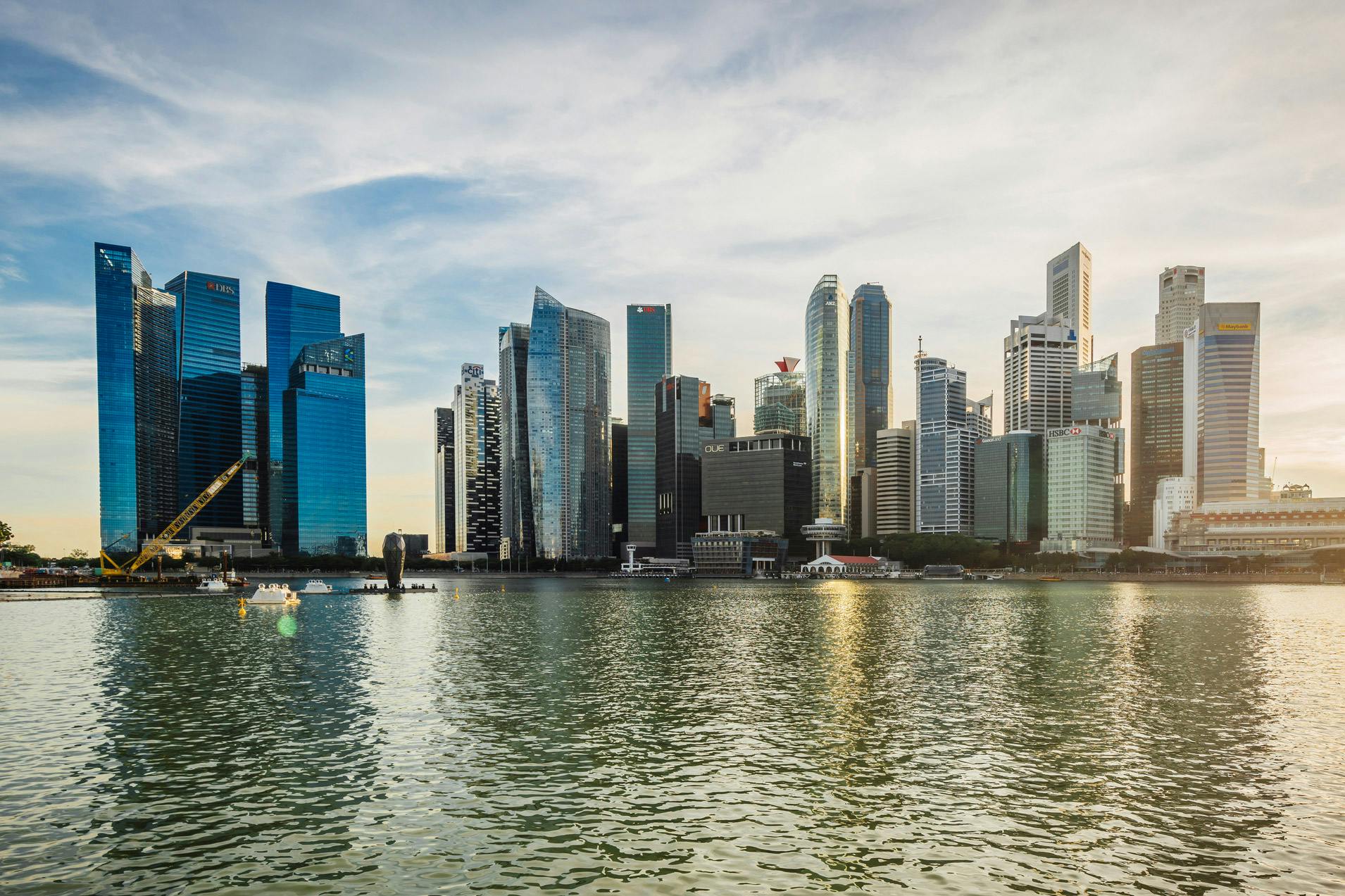
Prime Minister Lawrence Wong said at DBS's Asia Future Forward Conference that Singapore will not depress its exchange rate to gain competitiveness; the MAS will conduct monetary policy independently, and a strong, stable Sing dollar anchored on fundamentals helps keep imported inflation down. He also said Singapore will prioritise ASEAN digital trade initiatives when it takes the ASEAN chair next year.
Why it matters
This is Singapore's latest official word on exchange-rate policy, and the timing is sensitive: markets are awaiting the MAS's scheduled October policy review on October 14. Wong's framing of a "strong and stable" Sing dollar as an anti-inflation anchor rules out devaluation as an export stimulus, echoing the MAS's two tightenings of exchange-rate policy in April and July this year.
Full report
On Monday, October 12, Wong spoke at the closing dialogue of the inaugural DBS Asia Future Forward Conference in Singapore, moderated by DBS Group CEO Tan Su Shan. Tan noted that Singapore's safe-haven reputation attracts capital inflows that support the currency, while the city-state remains an expensive place to do business. Wong replied: "You're surely not suggesting that we depress our exchange rate in order to be more competitive?" He added: "The MAS will exercise monetary policy independently. The Singapore dollar will reflect our economic fundamentals, and if the economy does well, then we can continue to expect a strong, stable Sing dollar that is anchored on fundamentals and will also help keep imported inflation down."
Unlike most major central banks, which steer monetary conditions through interest rates, the MAS manages policy through the Singapore dollar nominal effective exchange rate (S$NEER) band. The Sing dollar is up about 0.4% against the US dollar year-to-date in 2026, among the best performers in Asia. Wong said Singapore must compete on capabilities, stability and predictability rather than low costs, and exporters must factor currency strength into their operating costs.
Wong also said that when Singapore assumes the ASEAN chairmanship next year, it will prioritise digital trade initiatives under the ASEAN Digital Economy Framework Agreement (DEFA), which aims to cut regulatory barriers, facilitate cross-border data flows and lower cross-border payment friction — while acknowledging much work remains to turn the agreement into practical benefits for companies. (Reporting by CNBC and others, October 13, 2026.)
💬 Comments
No comments yet. Be the first!