 N環球

Memory Crunch Hits Smartphones: Eight of Nine Major Brands Cut 2027 Shipment Targets
AI data centres are absorbing memory supply and pushing DRAM prices higher, forcing phone makers to lower next year's shipment targets; Vivo is cutting 29% and Xiaomi 25%, with Apple and Samsung also trimming plans, adding to pressure on phone prices.
The world's major smartphone makers are collectively lowering their shipment targets for next year. According to Jiemian News, citing supply-chain sources, eight of the nine biggest brands have cut their 2027 shipment targets, with only Honor holding its plan unchanged. The cause is AI data centres absorbing large amounts of memory capacity, sending memory prices soaring and pushing up the cost of building phones.
How deep are the cuts?
The deepest cuts are at Vivo and Xiaomi: Vivo is dropping from 85 million units to 60 million, down 29%, while Xiaomi is falling from 120 million to 90 million, down 25%. Lenovo's Motorola business is cutting from 50 million to 40 million, down 20%; Oppo from 105 million to 90 million, down 14%; Transsion from 66 million to 58 million, down 12%; and Huawei from about 60 million to below 50 million, a drop of more than 16%. Apple and Samsung are trimming by less: Apple from 233 million to 220 million, down 5.6%, and Samsung from 232 million to 210 million, down 9.5%. Honor is the only major brand keeping its target flat, at about 50 million units.
Soaring memory prices are the driver
Counterpoint Research data shows global DRAM market revenue jumped 369% year on year in the third quarter of 2026, approaching $200 billion, with the average DRAM selling price reaching $1.90 per gigabit. Another report put the rise in memory prices at 263% between January and September 2026. AI servers need large amounts of fast memory, and chipmakers are prioritising data-centre customers, leaving less memory for phones at higher prices. Goldman Sachs estimates the global DRAM supply deficit could reach 5.1% in 2027, one of the worst shortages in more than 15 years; Counterpoint expects the overall smartphone market to shrink by about another 6% in 2027, with significant new wafer capacity unlikely before 2028.
What it means for buyers
For consumers, the most direct effect is likely to be more expensive phones. Reports say Samsung plans to raise prices for next year's Galaxy S27 series; some makers may also cut RAM or storage in their devices, or drop low-margin budget models altogether. Counterpoint notes that phones under $200 will be hit hardest, with that segment likely to shrink further. In short, next year the same money may buy less phone.
These figures are the brands' internal shipment targets, not public sales plans, and they may still change. But the consistent picture across multiple reports citing supply-chain sources shows the industry has turned markedly cooler on next year. A memory shortage set off by AI demand is now spreading into consumer electronics — and phones are the first place consumers will feel it.
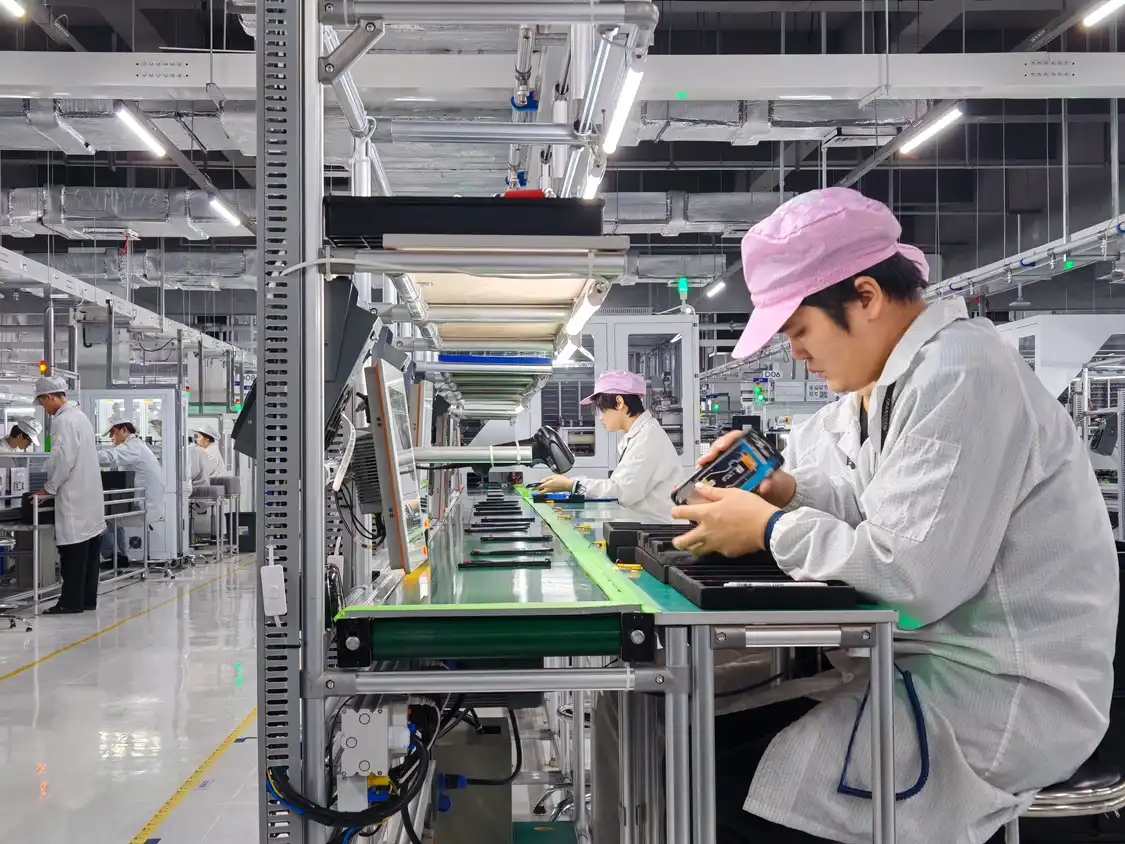
Photo: file photo of a smartphone assembly line.
💬 Comments
No comments yet. Be the first!