 N環球
N環球 
Swiss voters reject stricter neutrality clause: about 70% vote no in referendum
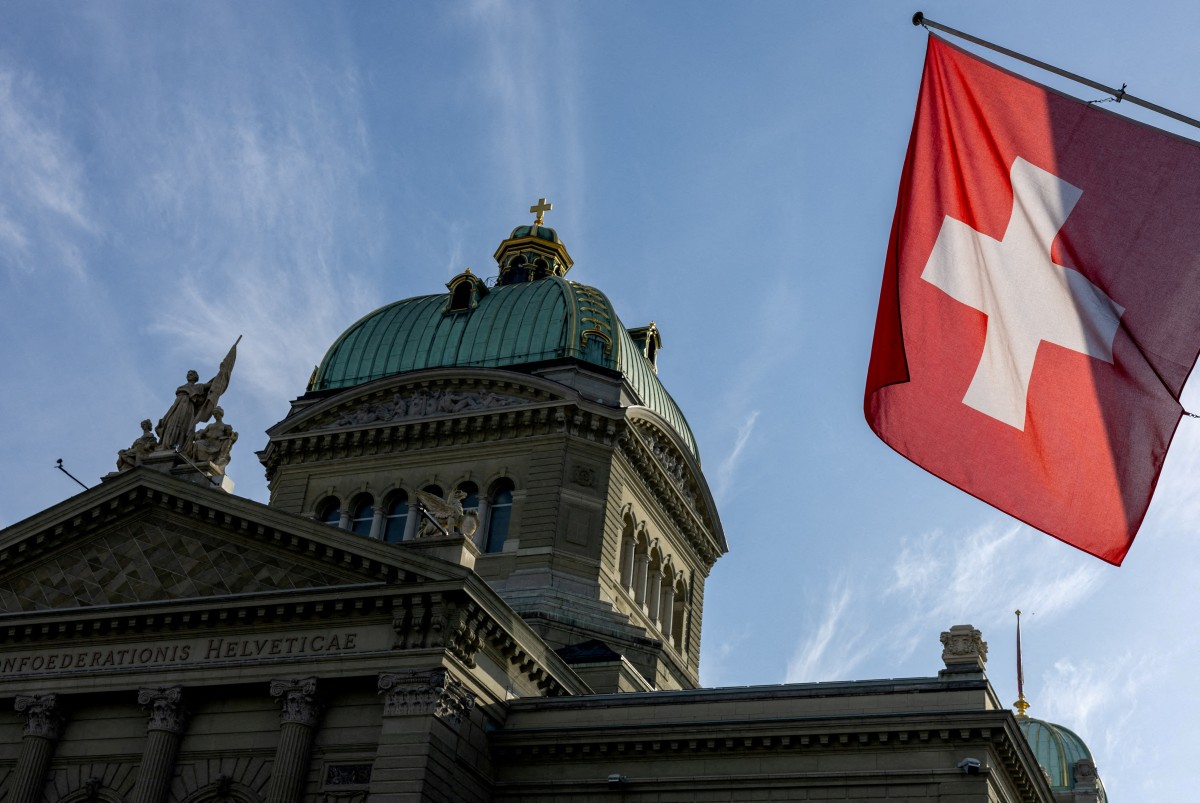
Swiss voters on Sunday decisively rejected a referendum backed by the right-wing Swiss People's Party that would have written a stricter definition of neutrality into the constitution, curbing sanctions and NATO cooperation.
Why it matters
Final results from the Swiss Federal Statistical Office showed about 70% of voters, and a majority in all 26 cantons, rejected the neutrality initiative. The government keeps its flexibility to decide on economic sanctions case by case and to cooperate with partners when it strengthens national security.
What the proposal would have done
The initiative, championed by the right-wing Swiss People's Party (SVP), would have enshrined a strictly defined neutrality in the constitution: Switzerland could not join punitive measures against other countries unless imposed by the United Nations — where Russia holds a Security Council veto — and could not cooperate with military alliances, ending three decades of partnership cooperation with NATO except in cases of threat.
Supporters argued the government had moved "dangerously close" to the EU and NATO after joining EU sanctions against Russia over its invasion of Ukraine, eroding traditional neutrality. The federal government and most parties except the SVP opposed it, arguing existing leeway is enough to protect national interests.
Official reaction
Foreign Minister Ignazio Cassis said at a press conference: "This result is not a vote against neutrality. Switzerland was neutral yesterday, it is neutral today, and it will remain neutral in the future." He said the rejection lets Switzerland keep deciding on sanctions case by case and cooperate with partners when it strengthens security — which also depends on the security of its neighbours and the European continent.
Swiss neutrality has been internationally recognized since the end of the Napoleonic wars in 1815, though exactly how the government implements it is not spelled out; neutrality has been enshrined in the constitution since the mid-19th century. The vote was part of Switzerland's quarterly direct-democracy referendum day.
💬 Comments
No comments yet. Be the first!