 N環球

Sydney's Georgina Long Wins Australia's Prime Minister's Prize for Science for Transforming Melanoma Treatment
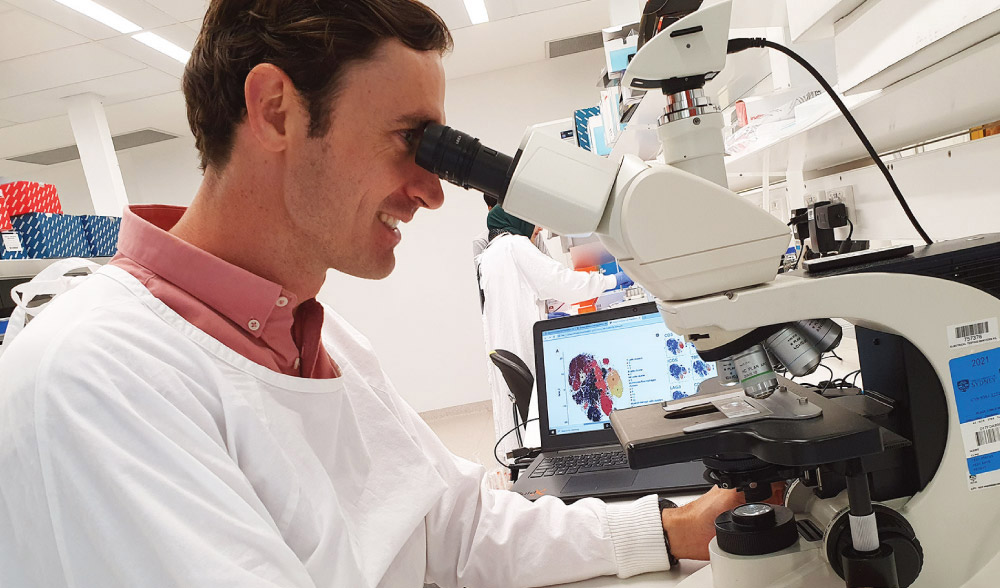
University of Sydney oncologist Professor Georgina Long AO has won the 2026 Prime Minister's Prize for Science; her pioneering melanoma immunotherapy has improved survival tenfold for stage IV patients and 24-fold for those with brain metastases. Fellow Sydney researcher Associate Professor Fengwang Li won the physical scientist prize.
Australia's Prime Minister's Prizes for Science were presented at a dinner in Parliament House, Canberra, on the evening of 24 November. University of Sydney oncologist Professor Georgina Long AO received the top honour, the Prime Minister's Prize for Science, for her pioneering research in precision oncology, while Associate Professor Fengwang Li from the same university won the Malcolm McIntosh Prize for Physical Scientist of the Year. The University of Sydney is the only institution with more than one recipient this year.
Survival up tenfold for stage IV melanoma
Professor Long is Chair of Melanoma Medical Oncology and Translational Research in the Faculty of Medicine and Health and the Charles Perkins Centre, and Medical Director of Melanoma Institute Australia. Her clinical research led to the first highly effective drug therapies for melanoma and reshaped international treatment guidelines: survival has improved tenfold for people with stage IV melanoma and 24-fold for those with brain metastases. Brain metastases were once considered almost invariably fatal, with a median survival of just four to six months, and patients were routinely excluded from clinical trials. Today, around half of patients with active, asymptomatic brain metastases are alive at seven years, many with a high quality of life.
Immunotherapy before surgery becomes the new standard
Professor Long's research also changed when and how melanoma is treated. She showed that giving immunotherapy before surgery, known as neoadjuvant therapy, can dramatically reduce recurrence in patients with stage III disease. Her advocacy helped Australia become the first country in the world to provide broad, subsidised access to this treatment approach in 2025. In 2023, she led the clinical translation of relatlimab, an immunotherapy drug for advanced melanoma, paving the way for its approval by the U.S. Food and Drug Administration. Professor Long was named Australian of the Year in 2024 and is only the second person ever to receive both the Prime Minister's Prize for Science and the Australian of the Year title.
Fellow Sydney physicist cracks a carbon-capture puzzle
Associate Professor Li was honoured for pioneering renewable electrochemical research. He solved a long-standing international roadblock in carbon capture known as the carbonate paradox: his new acidic reactor system converts industrial carbon dioxide emissions into ethylene, an essential chemical building block for everyday items such as textiles, detergents and medical equipment, achieving a world-record 77 percent carbon efficiency. He also invented a way to extract hydrogen from ammonia on demand, bringing clean hydrogen storage and transport closer to commercial viability, and developed Australia's first AI-powered self-driving laboratory, which tests new sustainable materials up to 100 times faster than traditional methods.
"I want to cure cancer"
Professor Long said after the award: "I want to cure cancer; I would love for people to live well with a diagnosis of cancer; I would like to find therapeutic advances that eradicate cancer; and, most of all, I'd love to be able to prevent cancer from happening in the first place." Prime Minister Anthony Albanese told the nine recipients at the awards dinner that each of them added to Australia's tradition of excellence and paved a path to a brighter, smarter Australia.
💬 Comments
No comments yet. Be the first!