 N環球
N環球 
UN: World food prices hit near four-year high in September as grains and sugar surge
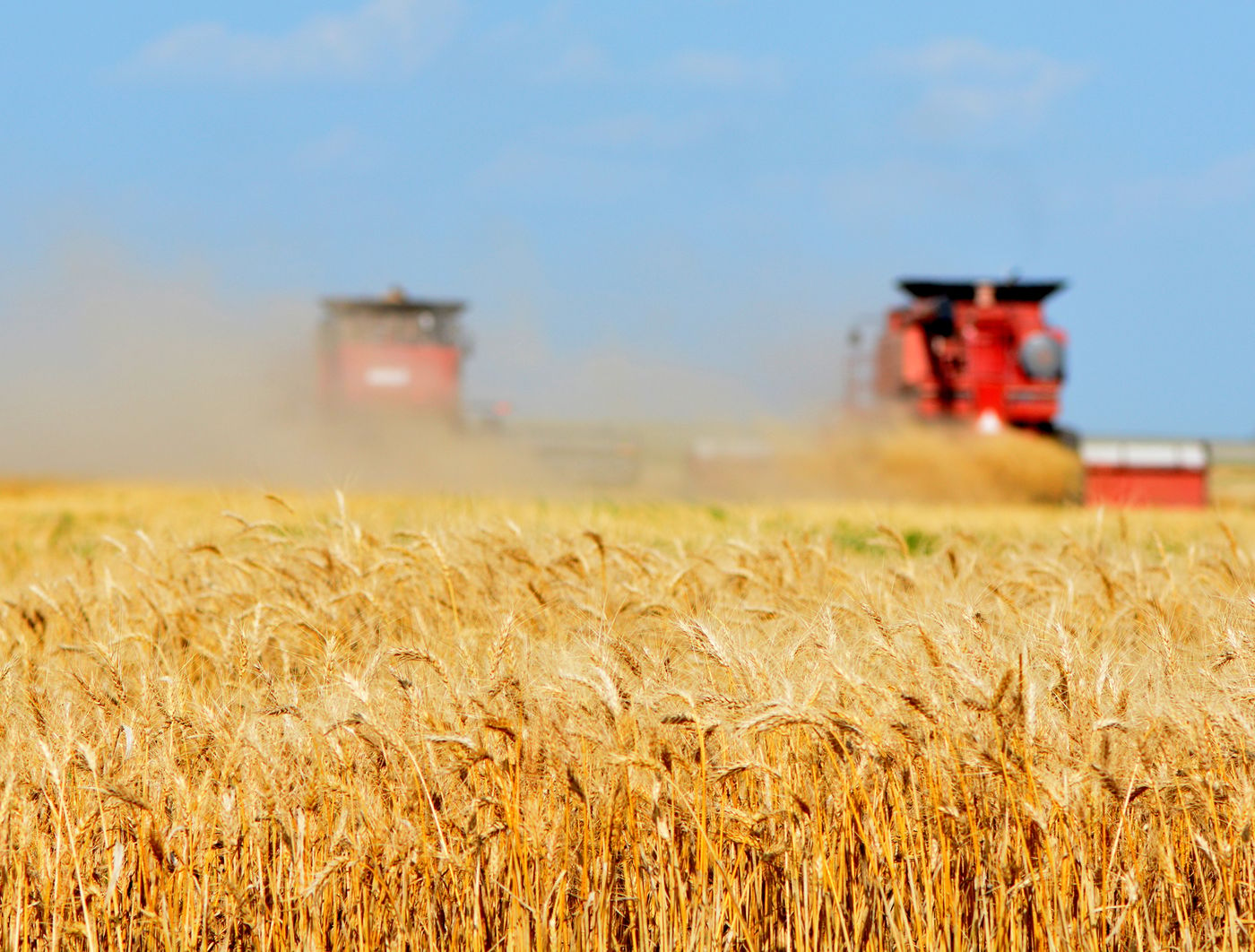
The UN Food and Agriculture Organization's September food price index rose to 136.0 points, its highest since November 2022, led by cereals and sugar amid shipping disruptions and weather shocks.
Why it matters
Global food inflation, which had eased through much of 2024 and 2025, is building again. The UN Food and Agriculture Organization (FAO) reported on October 2 that its September food price index climbed to 136.0 points, a third straight monthly gain and the highest reading since November 2022. The index tracks international prices for a basket of traded food commodities; sustained increases can eventually feed through to supermarket prices, especially in countries heavily dependent on food and energy imports.
Full report
The September index rose 1.5% from a revised 134.0 in August and stood 5.8% higher than a year earlier. Sugar was the biggest mover, jumping 6.1% in a single month for a third consecutive gain, pushing international sugar prices to an 18-month high on fears that a severe El Nino pattern could hurt output in India, Thailand and other major producers.
The cereal price index rose 5.1% on the month and 17.2% year on year: wheat climbed about 6% to its highest since August 2023 as Black Sea logistics constraints forced importers to seek alternative supplies and dry weather in North America supported prices ahead of winter wheat planting; maize rose 5.6% to a three-year high on lower-than-expected US yields and reduced Brazilian export availability. Vegetable oils edged up 0.9%, while meat slipped 1.1% and dairy was essentially flat.
FAO chief economist Maximo Torero said: "We are seeing a persistent and increasingly broad-based build-up in global commodity prices, as disruptions in the Strait of Hormuz and the Black Sea combine with climate shocks, putting pressure on energy, transport and key food commodities. If sustained, these pressures will soon pass through to consumer food prices, especially in food- and energy import-dependent countries."
The FAO kept its forecast for 2026 global cereal production broadly unchanged at 2.979 billion metric tonnes, down 2.1% from 2025 but still the second-highest harvest on record. It cut its forecast for world cereal trade in 2026/27 by 0.7%, citing lower wheat and maize export expectations amid constrained Black Sea shipping routes.
💬 Comments
No comments yet. Be the first!