 N環球

AI is now building AI: METR says Anthropic's models are improving twice as fast, mostly thanks to AI itself
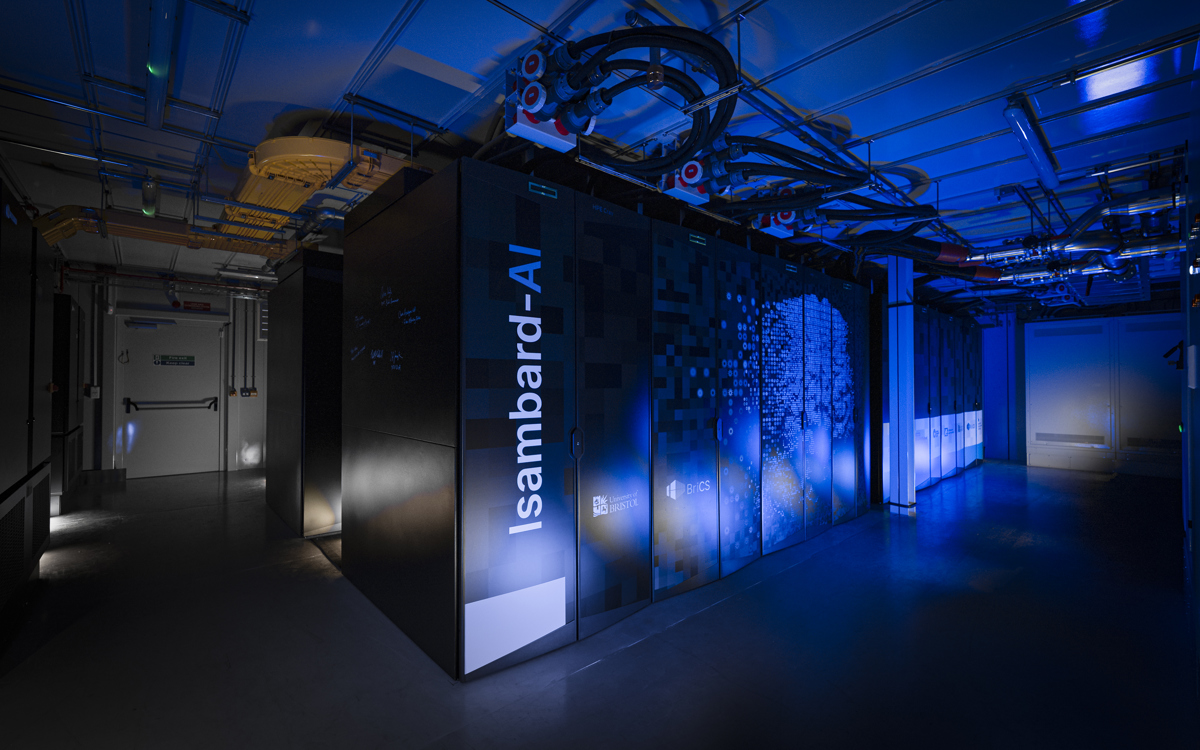
After 11 weeks inside Anthropic, AI safety group METR estimates the company's models are now improving about twice as fast as a year earlier, with most of the acceleration coming from AI helping with research rather than from more compute — but Anthropic redacted most of the key evidence from the public report, raising questions about frontier-lab transparency.
AI safety research group METR published an independent assessment on November 5: after 11 weeks embedded inside Anthropic, it found the company's models are now improving about twice as fast as they were between March 2024 and October 2025 — and most of that acceleration comes from AI itself helping with research, not from expanding compute. The report also disclosed that Anthropic removed most of the key evidence from the public version, prompting questions from researchers about transparency at frontier labs.
Twice as fast — two years of progress in one
METR's benchmark analysis estimates that since October 2025, Anthropic's rate of progress has run at about 1.9 times the earlier rate (95% confidence interval 1.5 to 2.8 times) — roughly two years of historical progress compressed into one. The researchers said they are confident the speed-up was not driven by faster training-compute scaling; by October, most of it came from AI assisting research, with that share rising over time. A METR staff member estimated about 80% of the acceleration comes from AI, working out to about 1.8 times the rate without AI. Staff using the company's strongest internal model self-reported being about 12 times as productive as without AI help, around double what they reported a few months earlier, and one cited line in the assessment put the cut in time from idea to experiment at roughly 80%.
Three unreleased models already trained
The report disclosed that Anthropic finished training three unreleased models (codenamed Model 2, Model 3 and Model 4) between July and October 2026, plus an older unreleased checkpoint from 2022. METR stressed that AI still mostly assists human researchers rather than working alone on the most important training work. Anthropic changed the project scope midway to exclude compute verification, so the report reaches no substantive conclusion on compute use.
Public version heavily redacted
METR gave Anthropic a report of about 100 pages, but Anthropic exercised its contractual right to redact most of the evidence the researchers considered most informative from the public version. METR said that leaves the public relying on its judgment far more than it should. The findings alarmed AI safety researchers, who said recursive self-improvement may be closer than expected, and some called for deeper outside access to frontier labs. Anthropic co-founder Sam McCandlish defended the redactions on X, arguing the exact speed-up drivers are commercially sensitive and publishing them would hand rivals a faster roadmap, worsening the risks METR warns about. Anthropic declined to answer The Verge's questions about the assessment and directed it to McCandlish's post.
Conclusions remain highly uncertain
METR stressed that the headline numbers are high-uncertainty subjective estimates, with a plausible range of about 1.3 to 3 times, and the acceleration may be limited to well-specified, measurable tasks. A METR staff member argued the findings mean Anthropic has already crossed the threshold its own Responsible Scaling Policy calls dramatically accelerated progress due to AI. The report does not establish that safeguards have fallen behind the pace of progress — but it makes the worry that AI research is outrunning safety work more concrete, which is the very question the assessment set out to answer and, because of the redactions, cannot fully answer.
💬 Comments
No comments yet. Be the first!