 N環球
N環球 
US import bans on Canadian goods take effect; Trump predicts a deal 'in weeks'
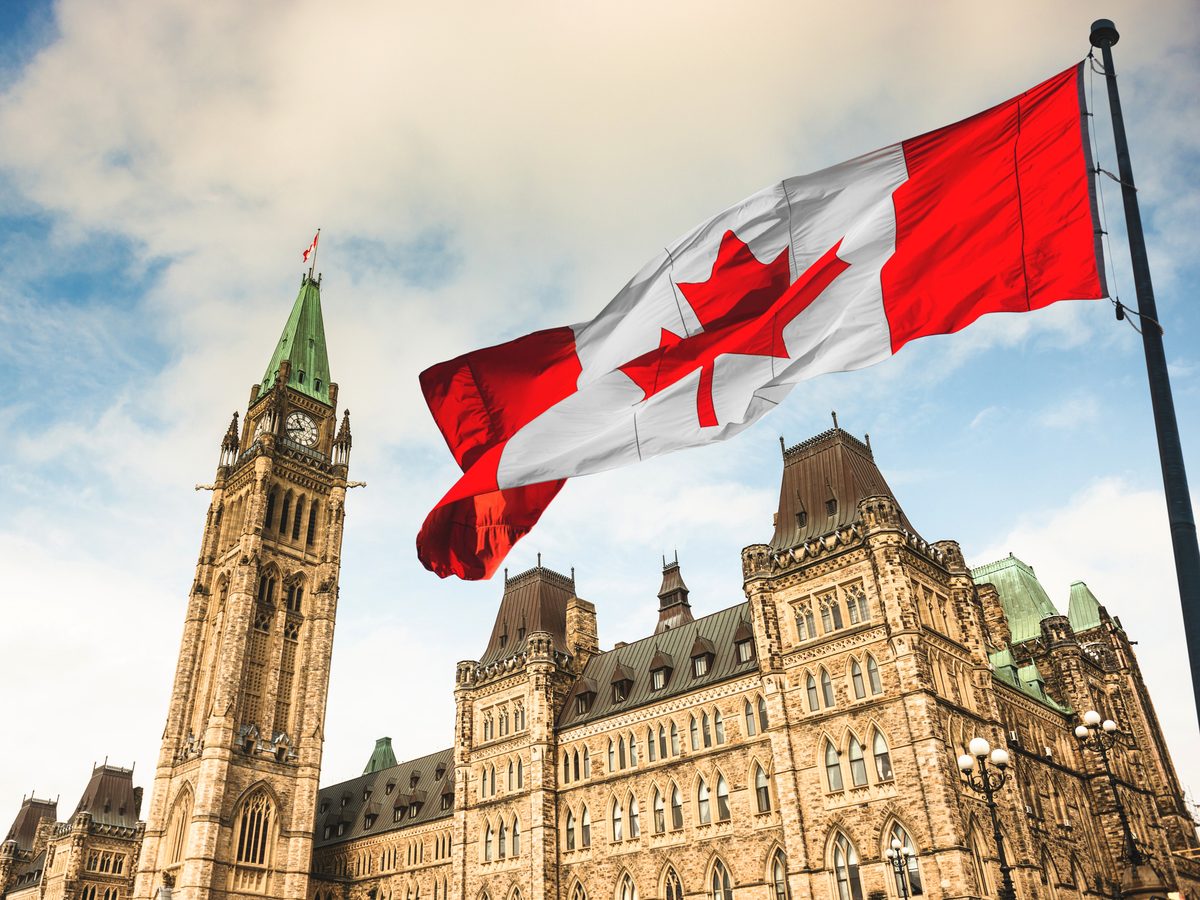
Washington's import bans on Canadian alcohol, dairy and other goods took effect at midnight ET Tuesday. A day earlier, Trump said Ottawa would return to the negotiating table within three to four weeks.
Why it matters
This is the latest trade blow against Canada in a series of proclamations President Donald Trump signed on Sept. 8 — with the bans now in force, some Canadian products are barred entirely from the U.S. market. Hours before they took effect, Trump predicted at the White House that Ottawa would be back at the negotiating table 'in weeks,' a sign pressure on both sides is rising.
Full report
A White House fact sheet released Sept. 8 said the bans cover certain Canadian-made alcoholic beverages (whiskey, wine, beer, vodka, rum and others), dairy products and some motorcycles. They were imposed under Section 338 of the U.S. Tariff Act of 1930, apply regardless of whether the goods qualify under the United States-Mexico-Canada Agreement, and sit alongside other U.S. tariffs.
Trump spoke Monday at a White House event announcing an Essar Group investment in an Iowa steel project. Asked whether a deal was still possible with the bans about to begin, he said: "I think what's going to happen is, over the next three or four weeks, they're going to come to us and they're going to say we're going to get rid of all the tariffs... I think a deal will be made, but it's going to be a fair deal."
He added that "they call us all the time" and accused Canada of treating the United States "very unfairly," particularly on agriculture. He also claimed Canadian tariffs on some U.S. farm products had reached 400 per cent — an assertion, with no product or rate breakdown provided.
White House adviser Peter Navarro joined in, citing dairy, lumber, aluminium and steel, and accused Canada of trying to use China in its dealings with Washington. Neither he nor Trump presented evidence for that allegation.
Industry data underscores how exposed Canadian distillers are: 93 per cent of Canadian spirits went to the United States in 2025, according to DISCUS. In the other direction, U.S. spirits exports to Canada have plunged 70 per cent since Canadian provinces started removing U.S. wine and spirits from store shelves in March 2025.
On Sept. 9, five Democratic senators from states with close trading ties to Canada warned in a joint statement that tariffs would raise costs for farmers, businesses and households on both sides of the border and push up prices for building materials, vehicles and everyday goods.
💬 Comments
No comments yet. Be the first!