 N環球

US Issues New Rule to Close Chip Loophole as Chinese Firms Tap Advanced AI Chips via Overseas Data Centres
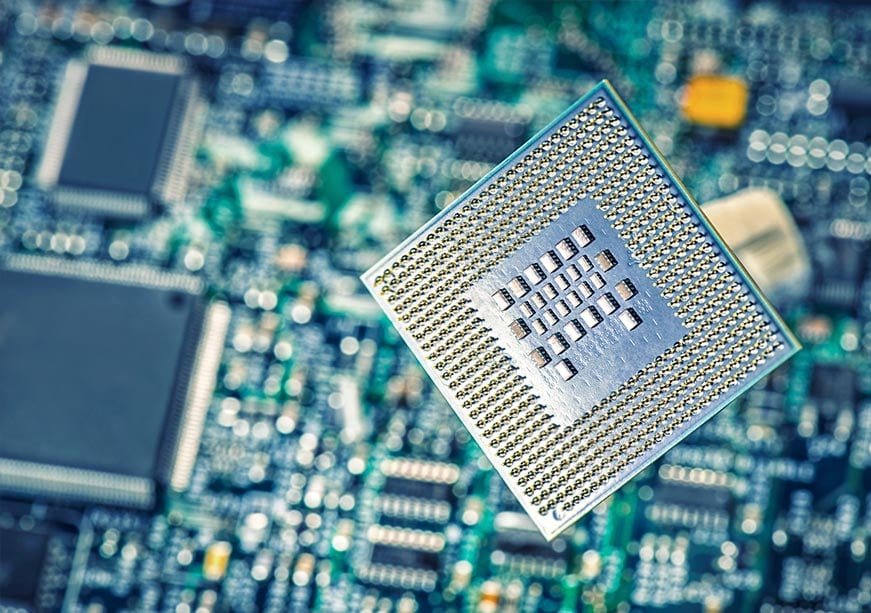
The Trump administration on Monday issued a rule restricting chip exports to overseas data centres that let Chinese companies use advanced AI chips to train their models, and requiring firms in Singapore, Thailand, Malaysia, Indonesia and Brazil to seek US export licences for the most advanced chips to curb illegal diversion; the move comes as President Donald Trump departs for Asia and meets Xi Jinping in Shenzhen on Thursday, with chip controls expected to loom over the summit.
The Trump administration on Monday (November 16) issued a rule restricting exports of advanced chips to overseas data centres, closing a loophole that let Chinese companies use American chips remotely to train artificial intelligence models. Reuters reports the rule comes as President Donald Trump departs for Asia and meets Chinese President Xi Jinping in Shenzhen on Thursday, with chip controls expected to be one of the focuses of the summit.
Closing the remote-access loophole
Under the rule, the United States will restrict chip exports to overseas data centres that allow Chinese companies to access advanced AI chips to train their AI models. The Commerce Department said in a statement the rule was designed to ensure that existing restrictions on access to sensitive American technology could not be circumvented through remote computing arrangements involving data centres in third countries. It also requires companies in Singapore, Thailand, Malaysia, Indonesia and Brazil to apply for US export licences for the most advanced chips, in an effort to cut down on them being illegally diverted.
US controls on advanced chip exports to China have tightened steadily in recent years, but industry and Congress have long worried that Chinese firms could rent computing power in third-country data centres and effectively gain use of restricted chips, bypassing the export limits. The new rule targets exactly that practice and is seen as closing one of the most obvious gaps in the control regime.
Issued on the eve of Trump's Asia trip
The rule comes as Commerce Secretary Howard Lutnick faces growing criticism over his handling of export controls on advanced chips to China. Reuters notes that since Nvidia co-founder Jensen Huang resigned on November 12, calls in Congress to tighten China's access to advanced AI chips have grown louder; Treasury Secretary Scott Bessent asked Nvidia's board and outside counsel on Sunday to explain within 10 days how the company had complied with chip-export rules.
Trump and Xi meet in Shenzhen on Thursday. Analysts cited by Reuters say the prospect of tighter US curbs on China's access to advanced AI chips will likely overshadow the talks, though the leaders could make some progress on AI safety cooperation. The two sides have planned further AI discussions around the Shenzhen summit, including an emergency mechanism to notify each other of serious AI incidents. The mechanism was discussed by Bessent and Chinese Vice Premier He Lifeng in September but has yet to become operational, according to people familiar with the discussions.
Chips and AI safety share the agenda
Beyond chip controls, AI safety is also on the summit agenda. Bessent said in New York last week that both sides would discuss communication protocols for AI safety incidents at the APEC AI talks and exchange best practices for testing advanced models. China has identified AI and the digital economy as priorities for the APEC forum in Shenzhen, with Foreign Ministry spokesperson Mao Ning saying Beijing hoped leaders would reach practical agreements in both areas.
A senior US administration official said, however, that the two sides would not announce any further progress on the Board of Trade initiative agreed at the Trump-Xi summit in Washington in September, covering lower reciprocal tariffs on $30 billion worth of goods. The APEC CEO Summit in Shenzhen runs November 17-18, with more than 2,000 political and business leaders expected, including representatives from 115 Fortune Global 500 companies.
Sources: Reuters, November 16, 2026.
💬 Comments
No comments yet. Be the first!