 N環球

US Congress Moves to Tighten China Chip Export Curbs as Speaker Johnson Sees “Developing Consensus”
US House Speaker Mike Johnson said Congress is forming a consensus on limiting exports of advanced chips to China; Chinese AI shares tumbled on Friday after Jensen Huang's resignation, and at least four control bills are seeking a ride on the annual defence authorization bill.
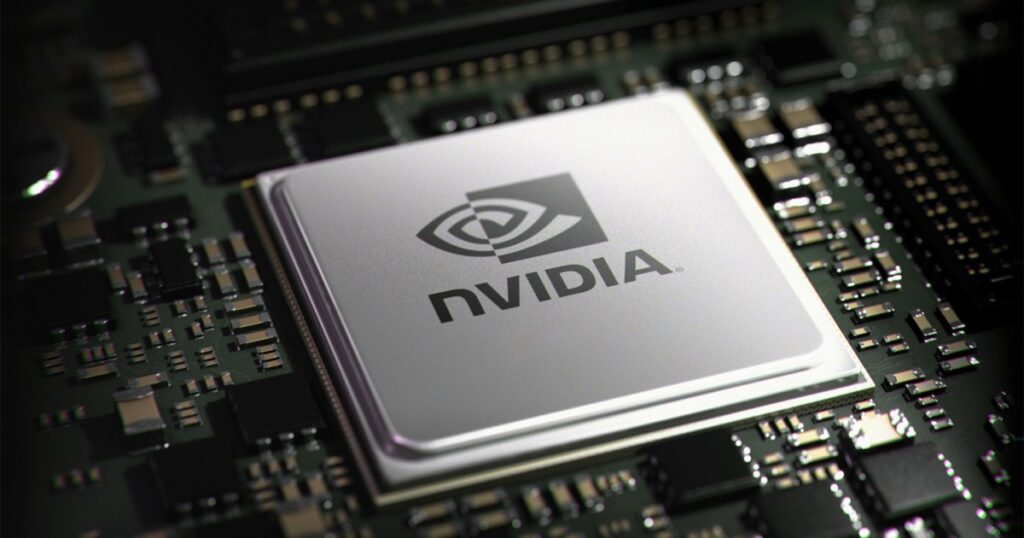
US House Speaker Mike Johnson said on Thursday (November 12) that Congress is forming a consensus on limiting exports of advanced chips to China. Reuters reported that calls in Washington to tighten chip exports to China have risen sharply since Nvidia chief executive Jensen Huang resigned amid a spy scandal, and Chinese AI shares tumbled on Friday. (Photo: an Nvidia AI chip board, file photo.)
Johnson: a “developing consensus” on limiting exports
Johnson told reporters at the US Capitol: “The export controls on chips to China has been a big issue around here. I'm in favor of limiting those exports, and I think there's a developing consensus in Congress that is an important position to take.” Huang had pushed to preserve access to the Chinese market and has close ties with President Donald Trump. Reuters noted that lawmakers from both parties have since called for tougher restrictions on China's access to advanced AI chips, amid concern that the Chinese military could benefit from them.
Chinese AI shares slide as at least four bills seek a ride
Investors dumped Chinese AI stocks on Friday, with AI model stocks Z.AI and MiniMax Group falling 12% and 8.4% respectively, while data centre suppliers Zhongji Innolight and Eoptolink Technology also fell more than 8%. Congressional Republicans are keen to attach new export restrictions to the annual National Defense Authorization Act, a must-pass measure that funds the military and typically attracts bipartisan support. According to statements since Monday, lawmakers are pressing for at least four chip export bills: the AI Overwatch Act would give Congress more power over advanced AI chip exports; the Chip Security Act would require companies to track the location of advanced AI processors to prevent smuggling; the Match Act would pressure US allies to restrict sales and maintenance of advanced chipmaking equipment destined for China; and the Remote Access Security Act would give the Commerce Department tools to stop Chinese firms from renting overseas data centres to access Nvidia chips.
Huang to testify before Thanksgiving; Malaysia denies chip diversion
Jensen Huang is expected to testify before Congress before Thanksgiving, which falls on November 26. House Foreign Affairs Chairman Brian Mast said congressional staff spoke with Nvidia on Wednesday night about a date and location for his testimony. Separately, Malaysia's Investment, Trade and Industry Ministry said on Friday it had never cleared Singapore-based Megaspeed International or its Malaysian affiliate Speedmatrix, and was working with the Royal Malaysian Customs Department to determine whether AI chips brought into Malaysia had been re-exported. Prime Minister Anwar Ibrahim said the same day there was no indication so far that the chips had been exported from Malaysia. The businesswoman at the centre of the scandal, Alice Huang, was an executive at Megaspeed, which the US government suspects of helping China obtain advanced AI chips restricted under US export controls; Beijing has denied she is a spy.
Reuters cited analysts saying Huang's resignation is unlikely to end congressional scrutiny of Nvidia and could weaken the company's influence in Washington, adding momentum to legislation that tightens restrictions on advanced chip exports. Nvidia's advanced AI chips are widely used to train cutting-edge AI models, making the company central to the US race against China to build superior AI systems; Washington has sought for years to limit China's access to them.
💬 Comments
No comments yet. Be the first!