 N環球

Google Open-Sources TorchTPU, Bringing Native PyTorch to TPUs
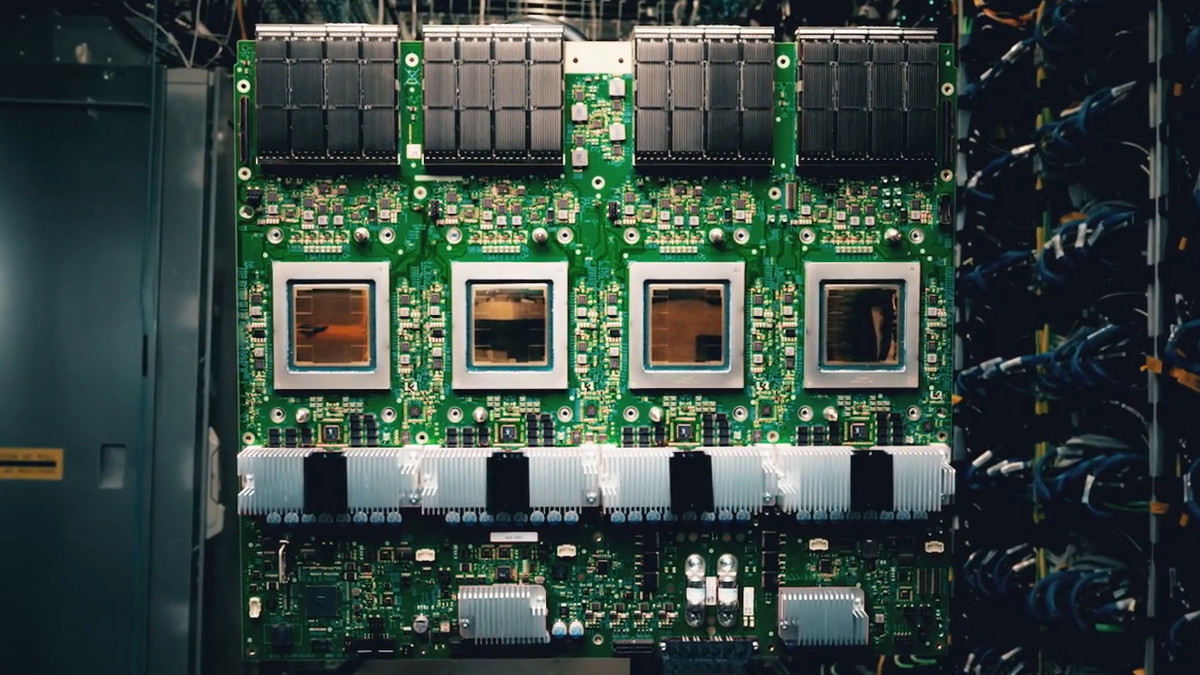
Google announced at PyTorch Conference 2026 that TorchTPU, its native PyTorch stack for TPUs co-developed with Meta's PyTorch team, is now open source on GitHub. Existing PyTorch code runs on Google TPUs with minimal changes.
Why it matters
PyTorch is the dominant AI development framework -- some estimates say about 85% of AI applications use it -- and it has long been optimized for Nvidia GPUs. TorchTPU makes Google's TPUs a native option for PyTorch, sharply lowering the cost of migration and potentially loosening Nvidia's CUDA ecosystem lock-in.
Full report
The Google Cloud blog (by Mark Lohmeyer, VP & GM of AI & Computing Infrastructure, and Bill Jia, VP of Engineering) announced at PyTorch Conference 2026 that TorchTPU, Google's native PyTorch stack for TPUs, is now open source on GitHub. TPUs now join GPUs and CPUs as a native option for PyTorch, spanning training, serving and deployment.
TorchTPU was co-developed with the PyTorch team at Meta and replaces the PyTorch/XLA route developers previously relied on: debug in eager mode, then use torch.compile for production-level performance. Existing code only needs to change model.to("cuda") to model.to("tpu") to run on TPUs.
TorchTPU works with tools developers already use, including vLLM, SGLang, llm-d, TorchTitan, Ray, TorchRec, Hugging Face and LiteRT. Google also released native TPU backends for vLLM and SGLang (built with Inferact and RadixArk respectively), which no longer go through JAX; the JAX versions remain maintained.
Jana van Greunen, Director of PyTorch Engineering at Meta, said in the announcement that TorchTPU lets Meta deploy PyTorch workloads -- LLMs, ads and recommendation systems -- to Google TPUs while feeding feedback directly to the engineering teams, building the ecosystem flexibility everyone needs.
💬 Comments
No comments yet. Be the first!