 N環球

Meta and Broadcom to Co-Develop Multiple Generations of MTIA AI Chips, Starting Above 1GW
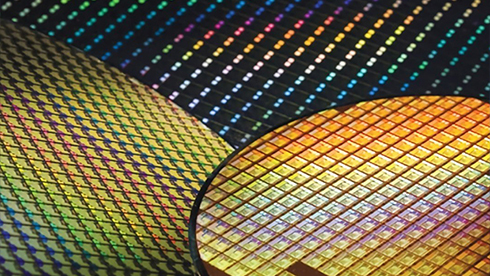
Meta has partnered with Broadcom to co-develop multiple generations of its MTIA AI chips, with an initial deployment above 1 gigawatt; Broadcom CEO Hock Tan will leave Meta's board to advise on its custom silicon roadmap.
Why it matters
Meta is bringing the core hardware of its AI computing in-house. A multi-generation deal with Broadcom turns MTIA from a one-off chip order into the main line of Meta's AI infrastructure for years to come, and shows how big tech firms are accelerating their own silicon to reduce reliance on Nvidia.
What the deal covers
According to Meta's blog post and Data Centre Dynamics, Meta will work with Broadcom across chip design, advanced packaging and networking to develop multiple generations of MTIA (Meta Training and Inference Accelerator) chips.
The co-development is built on Broadcom's XPU custom accelerator platform and will use Broadcom's Ethernet technologies to connect Meta's growing AI compute clusters with high-bandwidth networking. The initial deployment exceeds 1GW of compute capacity, with a multi-gigawatt rollout planned; financial terms were not disclosed, and deployment timelines and locations were not detailed.
Board change
As part of the agreement, Broadcom president and CEO Hock Tan will leave Meta's board of directors and move into an advisory role, guiding Meta's custom silicon roadmap and future infrastructure investments.
What they said
Meta CEO Mark Zuckerberg said the partnership builds "the massive computing foundation we need to deliver personal superintelligence to billions of people," adding that as Meta rolls out more than 1GW of custom silicon to start and then multiple gigawatts over time, it will bring greater performance and efficiency to everything the company is building.
Tan called the initial MTIA deployment "just the beginning" of a sustained, multi-generation roadmap, highlighting Broadcom's leadership in AI networking and the power of its XPU custom accelerator platform.
Background
About a month earlier, Meta unveiled the next four generations of its MTIA chip, the MTIA 300, 400, 450 and 500, aimed at generative AI workloads. Last week Broadcom separately signed a long-term agreement with Google to develop and supply future generations of its Tensor Processing Units, plus a supply assurance agreement for networking and other components for Google's next-generation AI racks through 2031.
💬 Comments
No comments yet. Be the first!