 N環球

Neuralink wins FDA approval to launch LINK, first US pivotal brain-implant trial in ALS
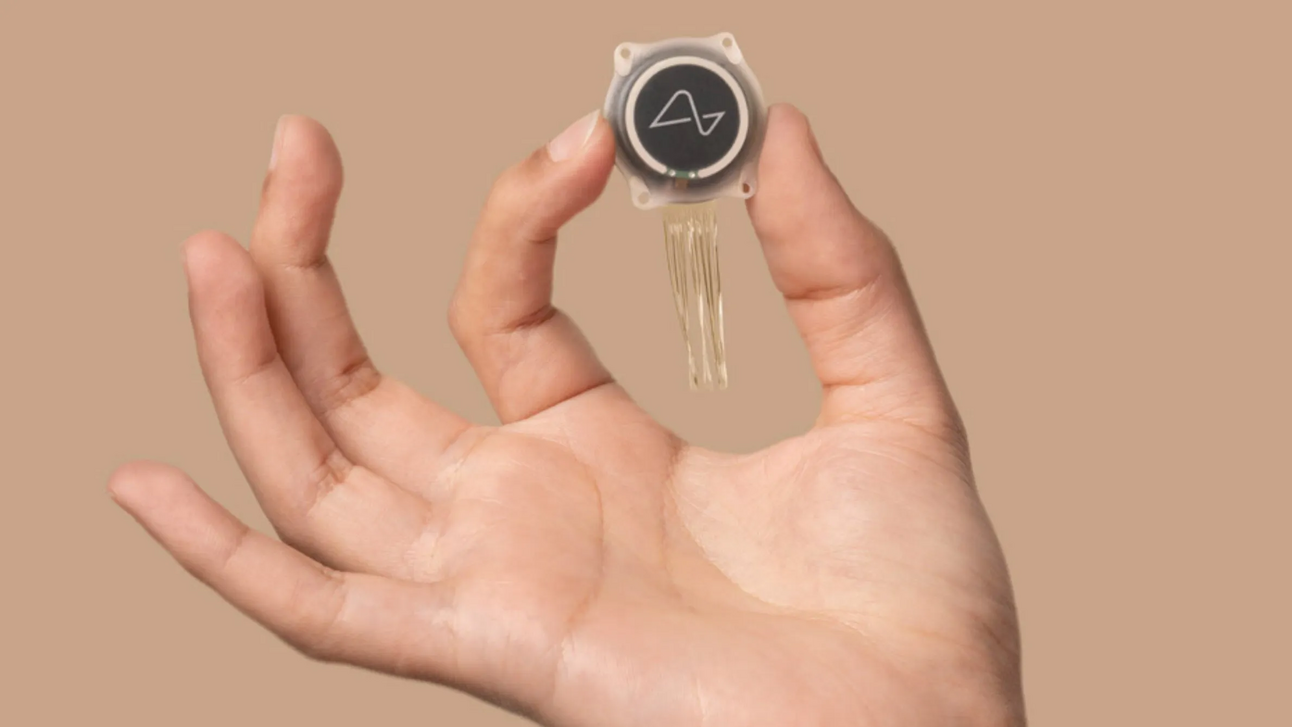
Neuralink said on November 25 that the US Food and Drug Administration has approved the launch of LINK, the first pivotal trial in the United States for an implantable brain-computer interface, enrolling adults with severe paralysis caused by ALS to test the safety and effectiveness of its N1 implant; the approval covers the trial only, not commercial sale of the device.
Neuralink, Elon Musk's brain-computer interface company, said on November 25 that the US Food and Drug Administration (FDA) has approved the launch of LINK, the first pivotal trial in the United States for an implantable brain-computer interface. The study will enrol adults with severe paralysis caused by amyotrophic lateral sclerosis (ALS) and evaluate the safety and effectiveness of its N1 implant, with participants trying to control digital devices through thought.
From 30-plus early participants to a pivotal trial
Neuralink said LINK builds on early feasibility studies in the US, Canada and the UK - PRIME, CAN-PRIME and GB-PRIME - in which more than 30 participants have received implants to date. Last year the company said its first ALS participant, Bradford Smith, was able to communicate using brain signals alone. LINK will run at multiple clinical sites across the US, enrolment is open, and follow-up is expected to last about 24 months.
What the trial will test
Participants receive the N1 Implant, placed in the skull, while the R1 surgical robot inserts flexible electrode threads into the brain's motor cortex to record neural activity. The trial focuses on whether participants can control computers and other digital devices through thought and gain greater independence in daily life. It does not aim to restore movement, feeling or speech, and it is not a treatment for ALS itself.
Trial approval is not approval to sell
The FDA's decision authorises the trial to proceed; it does not mean the implant is approved for general medical use or commercial sale. Neuralink and multiple outlets stressed that the N1 remains an investigational device, available only through authorised clinical research. The company has not published an enrolment target or completion date.
What happens next
People with ALS who wish to take part can apply through Neuralink's patient registry. The trial's results will determine whether the company can apply to the FDA for marketing approval - a key step in moving brain-computer interfaces from the laboratory toward clinical use, though widespread availability still depends on rigorous proof of safety and effectiveness. (Sources: Neuralink announcement, November 25; Engadget; Interesting Engineering)
(Image: product photo of Neuralink's N1 implant.)
💬 Comments
No comments yet. Be the first!