 N環球
N環球 
U.S. Finalizes Fuel-Economy Rollback: 2031 Target Cut to 34.9 MPG, Credit Trading Scrapped
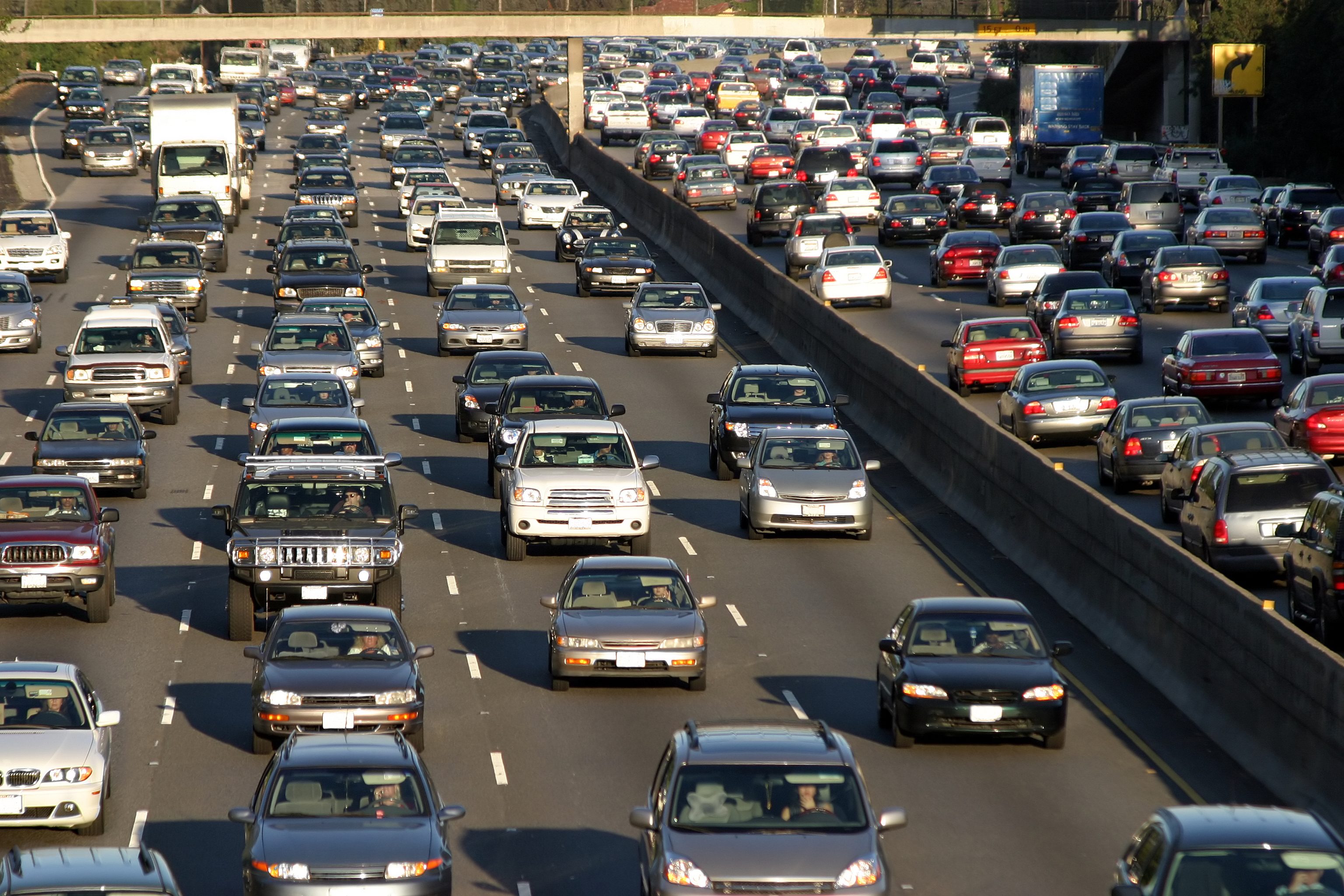
DOT and NHTSA signed the SAFE Vehicles Rule III on Sept. 28, reversing the Biden-era 50.4 mpg goal; automakers cheered, environmental groups vowed lawsuits.
Why it matters
The U.S. Department of Transportation and the National Highway Traffic Safety Administration finalized a rule on September 28 that rewrites Corporate Average Fuel Economy (CAFE) standards for model years 2022 through 2031 in one stroke. NHTSA projects the new standards will reach a fleetwide average of roughly 34.9 miles per gallon by model year 2031 — far below the Biden administration's 50.4 mpg trajectory.
Key details: passenger-car standards tighten 0.9% a year and light-truck standards 0.51% a year through 2029; CAFE credit trading — which let automakers buy compliance credits from EV makers — ends with the 2028 model year; and starting in 2030, vehicles will be reclassified by intended use, moving small crossovers out of the lighter-regulated light-truck category.
Full report
The administration frames the move as affordability. DOT estimates the rule will cut the average new-vehicle price by about $1,300 and save consumers roughly $138 billion over five years, while projecting annual U.S. oil consumption in 2050 to fall by about 1.3 billion barrels versus 2024. Transportation Secretary Sean Duffy called it an end to the "illegal mandate that forced automakers to produce more expensive electric vehicles that American families didn't want"; President Trump wrote on Truth Social the standards will take "waste" out of building cars in America, meaning "LOWER PRICES."
Automakers welcomed it. The Alliance for Automotive Innovation, representing major carmakers, said NHTSA "made the right call to better align fuel economy standards with the law and current market conditions," adding that the previous standards "effectively required a switchover to electric vehicles that was out of step with market realities and customer demand."
Environmental groups pushed back hard. NHTSA's own analysis acknowledges the weaker standards will raise gasoline consumption and carbon dioxide and other pollutant emissions over coming decades, reversing cuts projected under the Biden-era path. The Sierra Club, the Center for Biological Diversity and others vowed legal challenges; the Natural Resources Defense Council cites a NHTSA proposal estimate of about $1,400 in additional lifetime fuel costs for the average driver.
💬 Comments
No comments yet. Be the first!