 N環球

Nvidia used guarantees to finance its own chip demand, WSJ reports; Kress halved a $250B OpenAI backstop
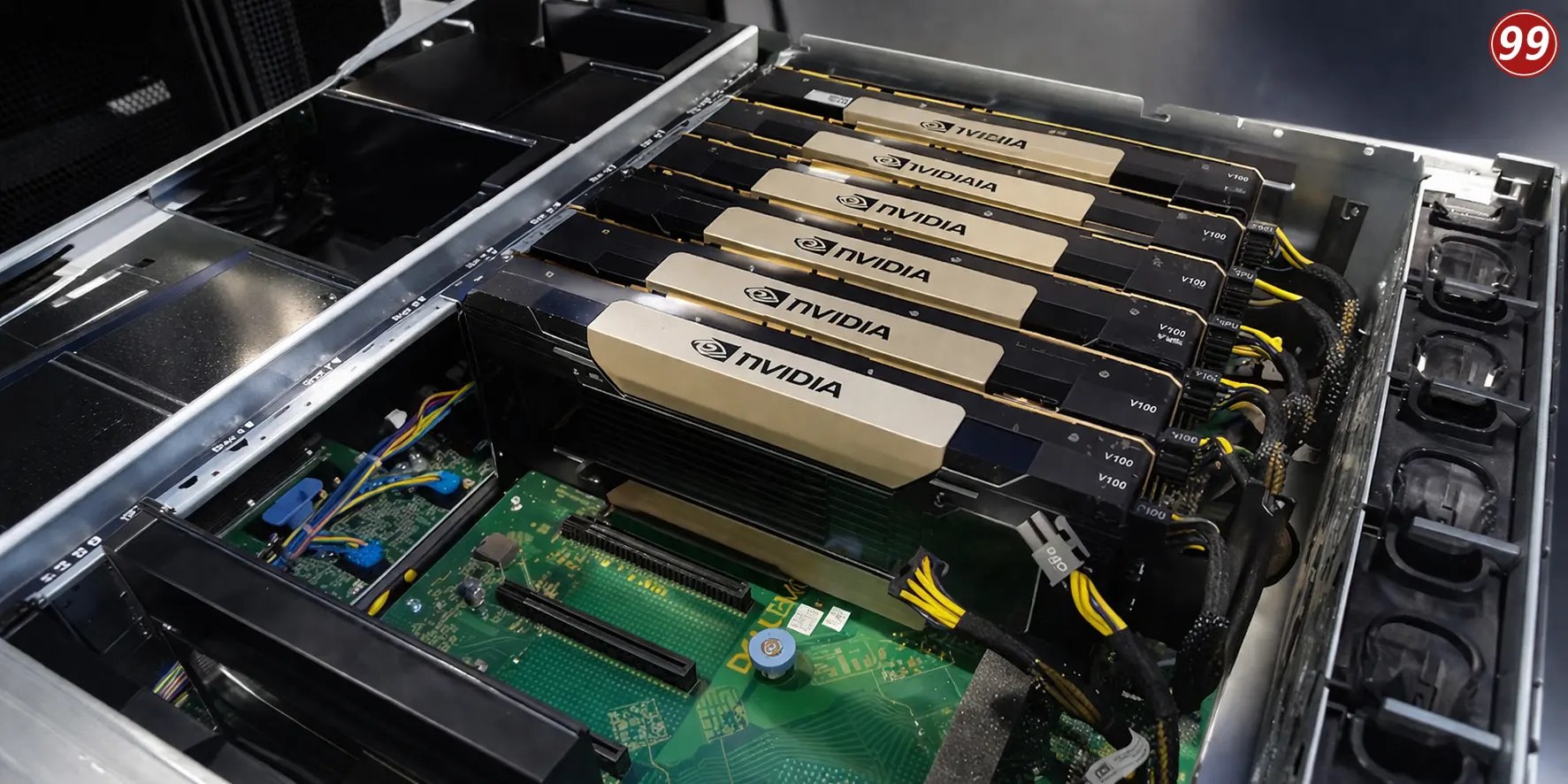
A Wall Street Journal investigation says Nvidia, under Jensen Huang, used hundreds of billions of dollars in credit guarantees to fund customers buying its own chips; interim CEO Colette Kress pushed back internally and cut a $250 billion OpenAI guarantee to about $125 billion.
The Wall Street Journal reported on Nov. 13 that Nvidia, under former chief executive Jensen Huang, used hundreds of billions of dollars in credit guarantees and equity investments to fund customers buying its own chips, creating the appearance of booming demand. Colette Kress, the former chief financial officer now serving as interim chief executive, pushed back internally against the practice, criticised as “circular financing,” and cut a major guarantee tied to OpenAI roughly in half.
An 8-gigawatt, $250 billion guarantee
According to the report, Huang and Kress clashed at a meeting in August 2026. Huang argued that Nvidia should back data-centre builders and AI startups with billions of dollars in credit guarantees so cash-strapped customers could keep buying chips; Kress wanted to rein in circular-financing commitments to smaller cloud providers and major AI firms such as OpenAI and Anthropic. Early discussions floated underwriting about 8 gigawatts of OpenAI computing capacity valued at up to $250 billion; after weeks of renegotiation by Kress, the signed guarantee cap fell to about 4.25 gigawatts, or up to $125 billion. Other outlets put the final commitment for the Ohio data-centre project slightly differently: TechCrunch reported $105 billion, while Reuters cited sources at about $120 billion.
A glut of TSMC silicon as cloud giants go in-house
The report says Huang privately acknowledged that Nvidia faced an “avalanche” of excess silicon and memory ordered from TSMC, while large cloud providers were shifting to their own custom chips, making financing a way to absorb the surplus. Research firm SemiAnalysis, reading Nvidia’s quarterly filing dated July 26, estimated the company’s contingent liabilities and commitments had reached $530.5 billion, up from $184 billion the previous quarter. Analyst Ed Zitron estimated that at least $200 billion worth of Nvidia GPUs bought by cloud providers were sitting idle in warehouses for lack of power or immediate demand — an analyst estimate not confirmed by Nvidia.
Deals brought in by Huang’s son-in-law also questioned
Kress also questioned credit-guarantee transactions involving business partners brought in by Nico Caprez, a Nvidia vice-president and Huang’s son-in-law, pressing for answers on how the guarantees were priced and how returns were calculated. The Journal reported, citing an anonymous source, that Huang called Kress “a deer in the headlights” at the meeting. In August, Nvidia announced a $500 billion AI compute financing platform with six major asset managers, with Nvidia backstopping up to $125 billion, but it has yet to close a single transaction; Nvidia’s residual-value support is only 25% of the deal size, far below Broadcom’s roughly 86% backstop on a $35 billion Anthropic debt deal.
Nov. 17 earnings are the first test
Nvidia has long rejected the circular-financing label, and Huang previously dismissed the idea. The company has not confirmed the Journal’s account, and no formal investigation has publicly confirmed the claims. Kress took over as interim chief executive on Nov. 12, and analysts expect her to rein in the aggressive investment strategy; Nvidia reports third-quarter results on Tuesday, Nov. 17, its first earnings since Huang’s departure, with Kress presenting. Plans announced in September to acquire open-source platform Hugging Face for $12.9 billion and invest $10 billion in Anthropic may also be revisited, according to reports.
(Sources: The Wall Street Journal, via Wccftech; TechCrunch; Reuters; SemiAnalysis.)
💬 Comments
No comments yet. Be the first!