 N環球

Nvidia reports Tuesday as interim CEO Kress hosts first earnings call; Wall Street watches for financing pullback
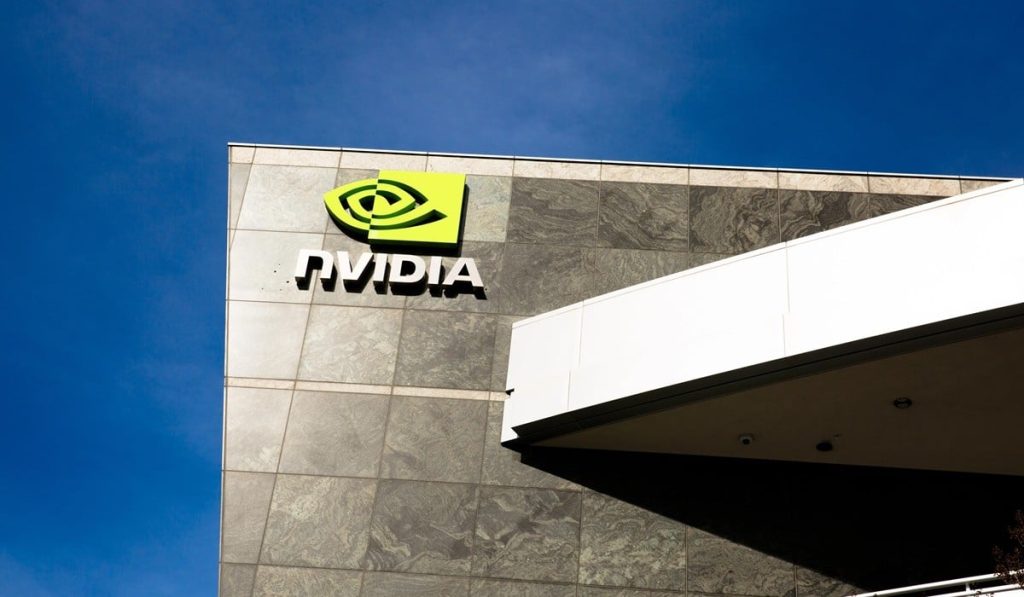
Nvidia reports third-quarter results after the market closes on Tuesday, with interim chief executive Colette Kress hosting her first earnings call. Revenue of about $109.1 billion is expected, but the focus is whether she will rein in the customer-financing deals of the Huang era.
US chip giant Nvidia reports third-quarter earnings after the market closes on Tuesday (November 17), its first results since founder Jensen Huang resigned as chief executive last Thursday. Interim chief executive and chief financial officer Colette Kress will host her first earnings call, and Wall Street is watching less for the numbers themselves than for whether she will rein in the huge customer-financing deals of the Huang era.
The first earnings report after Huang's departure
Huang resigned suddenly last Thursday (November 12) after revelations of extramarital affairs, including one involving a woman reported to be a suspected Chinese spy, sending shockwaves through the artificial intelligence industry. Kress, chief financial officer since 2013, is now interim chief executive, and the board says it is selecting a search firm to find a permanent chief executive. Reuters reports that analysts are certain to ask on the call whether Huang might return to the helm.
The numbers themselves should be strong
According to consensus estimates from the London Stock Exchange Group, Nvidia's third-quarter revenue is expected to reach about $109.1 billion, up about 91% from a year earlier, with adjusted earnings per share of $2.47, against $1.30 a year ago. The company previously guided to third-quarter revenue of about $108 billion, plus or minus 2%, growth of about 70% next year, and a dip in gross margins because of rising memory costs. In the second quarter, which ended in July, revenue more than doubled from a year earlier, gross margins were 75%, and the company returned $26 billion to shareholders through buybacks and dividends. Brian Colello, a technology equity analyst at Morningstar, said: “The earnings itself should be typical, but any comfort we can get on the rest of the business and the management changes is probably the most important piece.”
The real question: will the financing be reined in?
The Wall Street Journal reported on Monday that Kress is expected to rein in the Huang-era practice of Nvidia financing its own customers, in effect becoming a lender to the companies that buy its chips. The report said Nvidia cut the size of its commitment to the OpenAI data centre lease in Piketon, Ohio — a project involving SoftBank's SB Energy — during negotiations in August, after Kress pushed back. Nvidia carried $36 billion in off-balance-sheet AI cloud agreements as of its July quarterly filing, and it has participated in 129 venture capital deals in 2026 through November 10, against 49 in all of 2023, accounting for 27% of global venture funding by deal value, according to PitchBook figures cited by the Journal.
Those deals — including investments in OpenAI and AI infrastructure companies such as Lambda — have been described by some Wall Street critics as a “circular economy”: customers financed by Nvidia turn around and buy Nvidia's chips. Reuters puts Nvidia's various supply and capacity backstops, data centre leases and equity investments at more than half a trillion dollars in commitments. Max Anderl, a hedge fund manager with SilverSea Asset Management, noted that nearly a third of Nvidia's enormous profits are non-operating profits, coming from the mark-to-market values of its equity investments. “If the whole AI story changes, then you have to write down these investments and the whole train would reverse,” he said.
The market has already voted
Nvidia shares have fallen for six straight weeks, the longest losing streak since 2012, shedding about $1.7 trillion in market value. The company closed on Friday at about $3.9 trillion, roughly 32% below the $5.8 trillion peak it touched in early October. Its price-to-earnings ratio has compressed to about 11 from as high as 40 eight months ago. On the day Huang resigned, Nvidia shares opened down 15% and closed down 4.5%.
Investors this week will also watch the contribution of the new Vera Rubin data centre platform, with projections that Rubin GPUs will make up about a fifth of third-quarter revenue. Rory Dowie, an equity portfolio manager at Marlborough, exited his Nvidia positions last week, saying Huang's departure puts the earnings more at risk and that he prefers companies positioned to take share from Nvidia, such as AMD and Broadcom.
Another big test in the same week
Beyond Nvidia's results, the AI sector faces another test this week: AI lab Anthropic is expected to price its initial public offering on Wednesday, at a valuation of up to $1.4 trillion and raising more than $90 billion, reportedly about seven times oversubscribed. Minutes from the Federal Reserve's October meeting are also due on Wednesday. Nvidia's results land after Tuesday's close, with Kress hosting the call, and the market will parse her every word for an answer to one question: can the leading company of the AI era keep playing three roles at once — chip supplier, customer financier and investor?
💬 Comments
No comments yet. Be the first!