 N環球

NVIDIA quietly revises shipping Rubin specs: per-GPU bandwidth cut from 22 to 19.2 TB/s, NVLink trimmed too
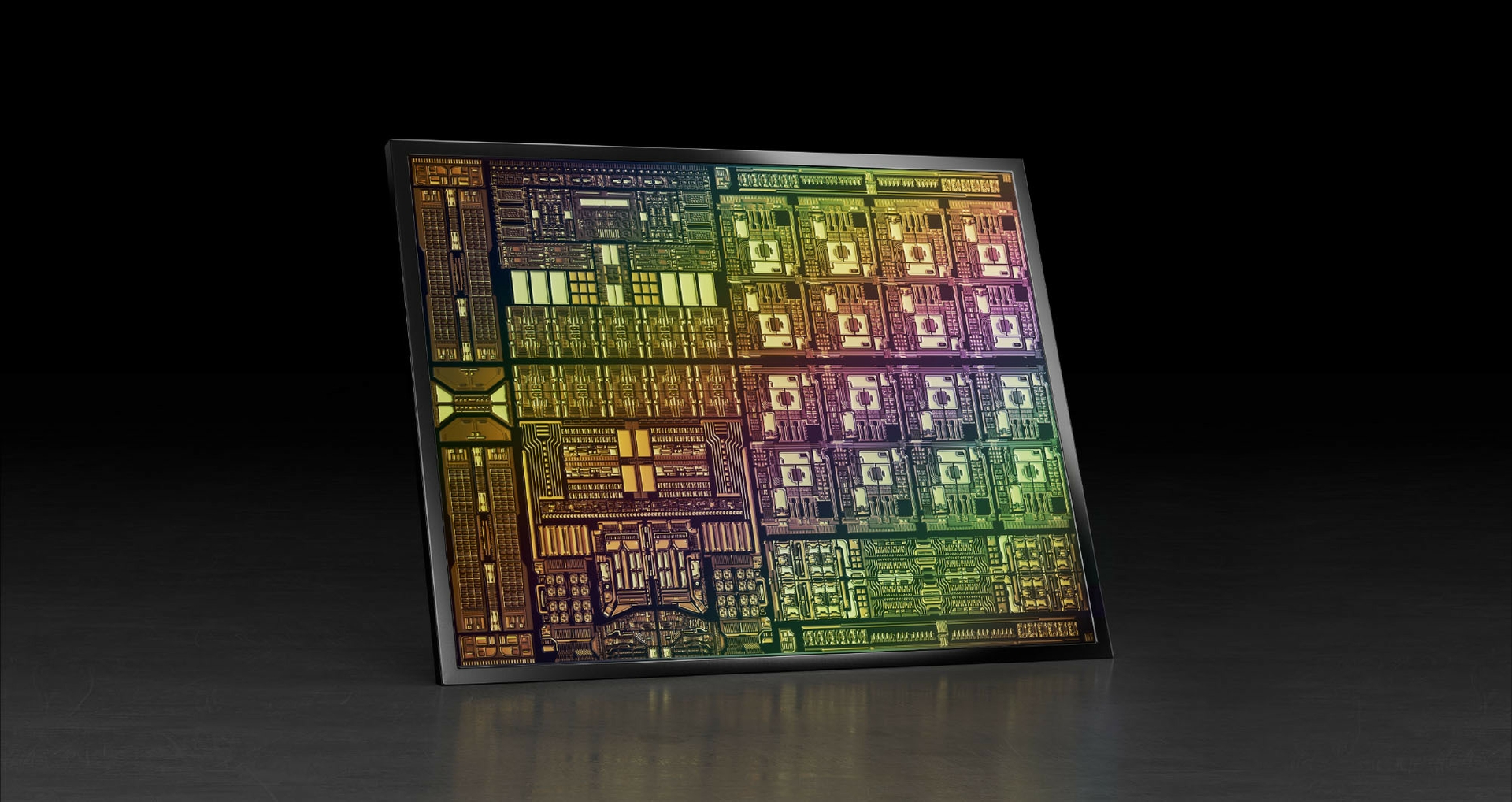
ServeTheHome reported on October 31 that NVIDIA has revised the shipping specifications for Rubin, cutting per-GPU HBM4 bandwidth from 22 TB/s to 19.2 TB/s and NVLink from 3.6 TB/s to 3.0 TB/s.
NVIDIA has quietly revised the published specifications for its shipping Rubin GPU. Technology publication ServeTheHome reported on October 31 that the changes appeared in NVIDIA architecture datasheet and product-page updates posted in September and spotted by IT Home, at the same time as the first Vera Rubin NVL72 systems became generally available to hyperscalers. The core configuration is unchanged: a single Rubin still carries 288GB of HBM4 memory, and its headline compute figures are unchanged.
The revised numbers
In ServeTheHome comparison, per-GPU HBM4 bandwidth falls from 22 TB/s to 19.2 TB/s, a cut of about 13 percent, with the per-pin rate falling from about 10.75 Gbps to 9.375 Gbps; scale-up NVLink bandwidth falls from 3.6 TB/s to 3.0 TB/s, while scale-out networking bandwidth rises slightly from 0.4 TB/s to 0.45 TB/s. At rack level, Vera Rubin NVL72 memory bandwidth falls from 1580 TB/s to 1400 TB/s and NVLink from 260 TB/s to 216 TB/s; the eight-GPU HGX Rubin NVL8 drops from 2.3TB of HBM4 at 176 TB/s to 2TB at 130 TB/s, a bandwidth cut of about 26 percent.
What NVIDIA says
NVIDIA issued no press release for the change. According to a NVIDIA representative quoted in a Wccftech report, the earlier figures were preliminary targets from development, while the revised figures are specifications for systems in qualified, volume production; individual component specifications alone do not determine application performance, which also depends on the full system, networking, software and models. In other words, the revision replaces paper targets with a shipping-production yardstick rather than marking a new chip generation.
What to watch
For buyers of AI compute, what matters now is measured performance and delivery pace on production systems, not peak figures from early slides. Rubin is already ramping into production, and benchmark results plus deployment feedback from hyperscalers will show what the revised specifications mean in real workloads.
💬 Comments
No comments yet. Be the first!