 N環球

S&P Puts Nvidia's AA Rating on CreditWatch Negative Over Board Oversight and 'Key Man' Risk
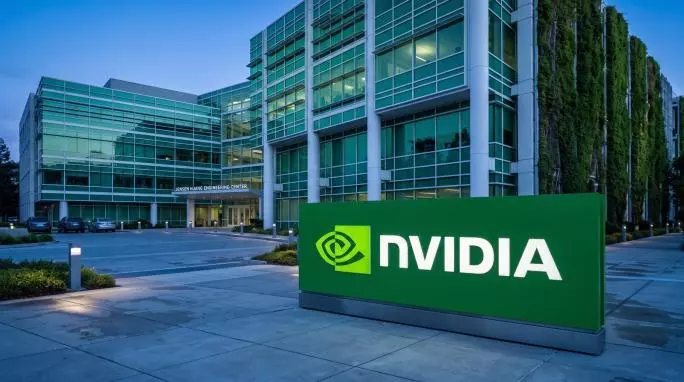
S&P Global Ratings placed Nvidia's AA ratings on CreditWatch Negative on Wednesday, saying Jensen Huang's ouster and reinstatement exposed weak executive oversight and a lack of succession planning; a one-notch cut to AA- is possible within 90 days.
S&P Global Ratings on Wednesday (November 25) placed Nvidia's AA issuer credit rating and AA senior unsecured debt rating on CreditWatch with negative implications, citing "meaningful" deficiencies in the company's management and governance. S&P expects to complete its review within 90 days and could cut the rating by one notch, to AA-.
The trigger: Huang's ouster and return
Despite Nvidia's strong financial performance, the departure and reinstatement of chief executive Jensen Huang raised concerns about "weak executive oversight and lack of succession planning" and "key man risk" — heavy reliance on Huang for the company's future success, S&P said. Huang resigned earlier this month after personal conduct was found to breach the company's code of conduct, and the board unanimously reinstated him on November 23.
Governance score cut from positive to neutral
S&P lowered its management-and-governance modifier for Nvidia from positive to neutral, saying it was unaware of any remedial board action addressing the potential deficiencies. S&P plans to meet Nvidia's board and management to discuss board independence, effective oversight and a credible leadership succession plan. It also raised questions about internal controls and political risk tied to the company's China business.
Not a downgrade — and Moody's is holding firm
S&P stressed that the action is not a downgrade: the rating remains AA, and a cut would follow only if the review confirms that governance deficiencies persist. Moody's, the other major agency, kept Nvidia at Aa1, only lowering its outlook to stable from positive on November 18, also citing the absence of a formal succession plan.
Borrowing costs could rise
Even at investment grade, a downgrade could raise Nvidia's borrowing costs. Because Nvidia backstops neoclouds and other infrastructure companies that lack strong credit on their own, a lower rating could make their debt costlier or force them to post more collateral. In August, Nvidia announced plans to arrange $500 billion in financing for AI infrastructure with six financial institutions, including Goldman Sachs, Apollo and Blackstone, under which Nvidia would guarantee 25% of the loans; Bloomberg reported that lenders had already been demanding larger guarantees before Huang's ouster, and a downgrade would likely push those demands higher.
File photo: Nvidia's headquarters building. Source: AJ Bell.
💬 Comments
No comments yet. Be the first!