 N環球
N環球 
New York Fed: Trump tariffs added 2.9 points to prices across 67 consumer goods by February 2026
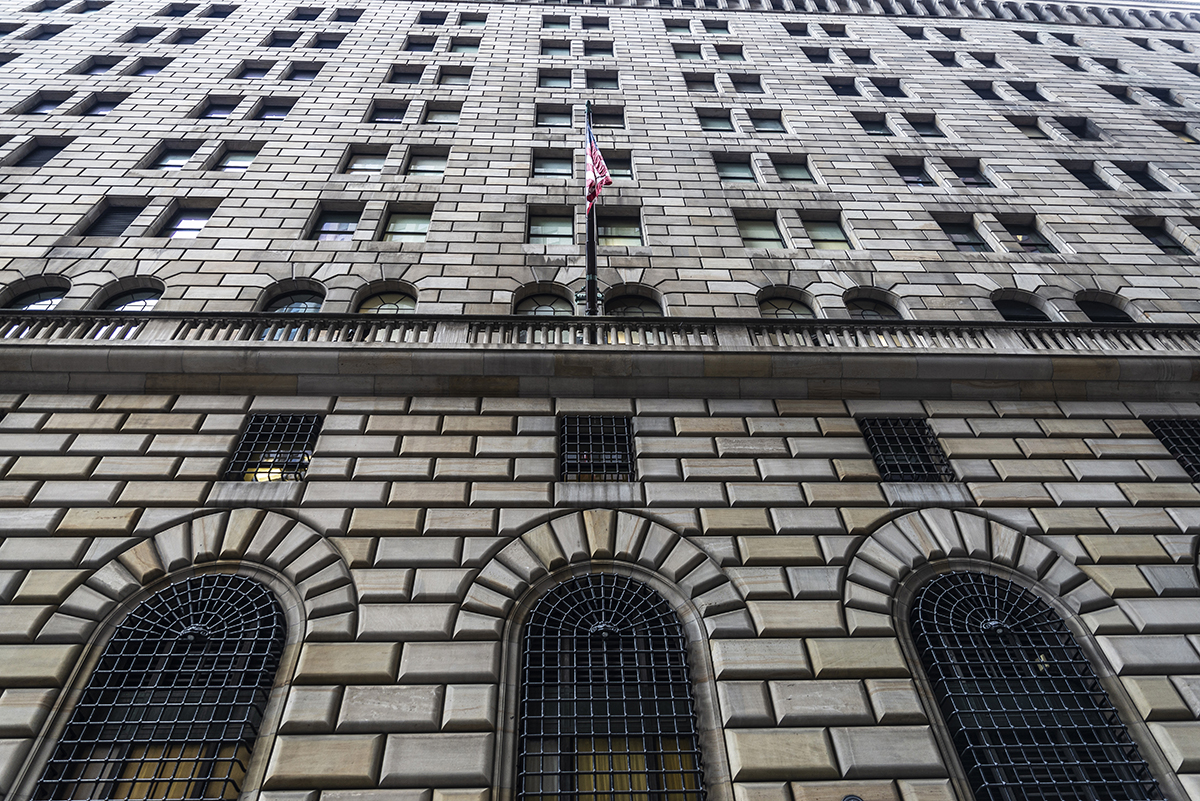
A New York Federal Reserve research team (Mary Amiti, Sebastian Heise, David Weinstein) estimates that as of February 2026, tariffs had pushed prices for a 67-category sample of consumer goods about 2.9 percentage points higher than without the levies; roughly 26% of tariff increases were passed through to retail prices.
Why it matters
The New York Federal Reserve has published the most detailed estimate yet of what tariff policy cost consumers: across a sample of 67 commonly purchased product categories, the 2025 tariffs had pushed prices about 2.9 percentage points higher by February 2026 — without the levies, those goods would have fallen nearly 1%. CNBC reported on the study Oct. 8.
The researchers estimate about 26% of last year's tariff increases were ultimately passed through to consumer prices, and that each 1 percentage point rise in the average tariff rate corresponds to consumer goods prices about 0.25% higher roughly a year later. About two-thirds of the price impact came directly from the tariffs themselves, with the rest flowing through indirect costs — higher expenses for U.S. companies that use imported parts and materials.
Annual price growth across the tracked goods peaked at the start of 2026, the study says, but researchers expect the tariffs' delayed effects to keep consumer prices elevated into 2027. The researchers did not disclose the list of 67 categories; several outlets caution the estimate covers a sample and does not translate directly into overall inflation.
💬 Comments
No comments yet. Be the first!