 N環球

OpenAI Says Its Models Improved AMD Flagship GPU Designs by Up to 14%
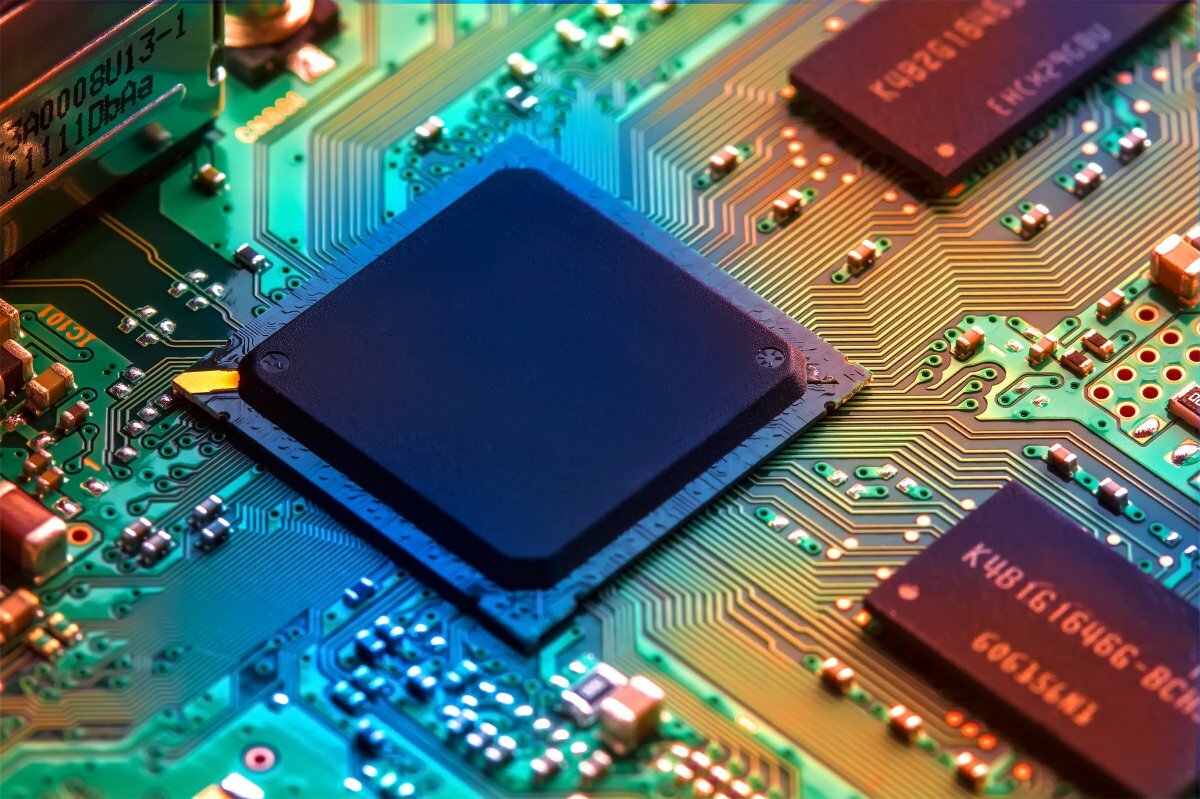
OpenAI said on November 18 that its models helped refine its Jalapeño inference chip and AMD's flagship GPU designs, improving power, performance and area measures by up to 14%.
OpenAI said on November 18 that its AI models can now help design the very chips that run AI. Working with AMD, the models rewrote circuit descriptions for flagship GPU hardware, improving power, performance and area measures by up to 14%. On OpenAI's own first inference chip, Jalapeño, model-proposed changes shrank some units' area by about a tenth.
What OpenAI reported
In a research update published November 18, “Advancing chip design with OpenAI models,” OpenAI described two strands of work: refining the circuit logic of its Jalapeño inference accelerator, and collaborating with AMD on production hardware designs, covering AMD's flagship GPU and forthcoming CPU blocks. The models rewrote SystemVerilog RTL (register-transfer level) code describing the circuits, and the proposals were then checked with established electronic design automation (EDA) tools. OpenAI stressed that this is a research and engineering account, not the launch of a general-purpose chip-design assistant.
On the numbers, AMD observed improvements of up to 14% in power, performance and area (PPA) measures on selected, heavily optimized flagship GPU intellectual-property blocks, with some changes included in a design sent for manufacturing. On Jalapeño, model-suggested changes cut standard-cell area by about 13% in the vector unit and 10% in the matrix unit, verified in silicon. OpenAI also reported 9,881 scored evaluations across two open-source 32-bit RISC-V processors, PicoRV32 and Ibex, testing the models' ability to generate RTL from specifications and optimize circuits, with correctness checks and area constraints included.
Significance and limits
The significance is that the evidence comes from real production hardware rather than synthetic benchmarks: the AMD collaboration tested the models against already highly optimized commercial designs, and in chips — a high-value domain — even small local gains justify heavy optimization work. But OpenAI and outside analysts alike caution against overreading the results: the 14% figure applies only to individual blocks, and a complete commercial chip also involves physical layout, thermals, verification cost, yield and manufacturability, so a local gain need not translate into an overall advantage. Model proposals still need human engineers to run formal verification, equivalence checks and microarchitecture review; autonomous chip sign-off remains a long way off.
What to watch next
What matters next is whether the model-driven improvements can be verified further at the silicon level, and how integration with EDA vendors such as Synopsys progresses. If AI-assisted chip design moves from research to a repeatable engineering workflow, it could directly affect the speed and cost of developing the next generation of AI hardware.
Sources: OpenAI research update, “Advancing chip design with OpenAI models” (18 November 2026); AMD. Photo: file photo — close-up of chip circuitry.
💬 Comments
No comments yet. Be the first!