 N環球

OpenAI opens doors to outside safety assessors, but researchers say access falls far short of promise
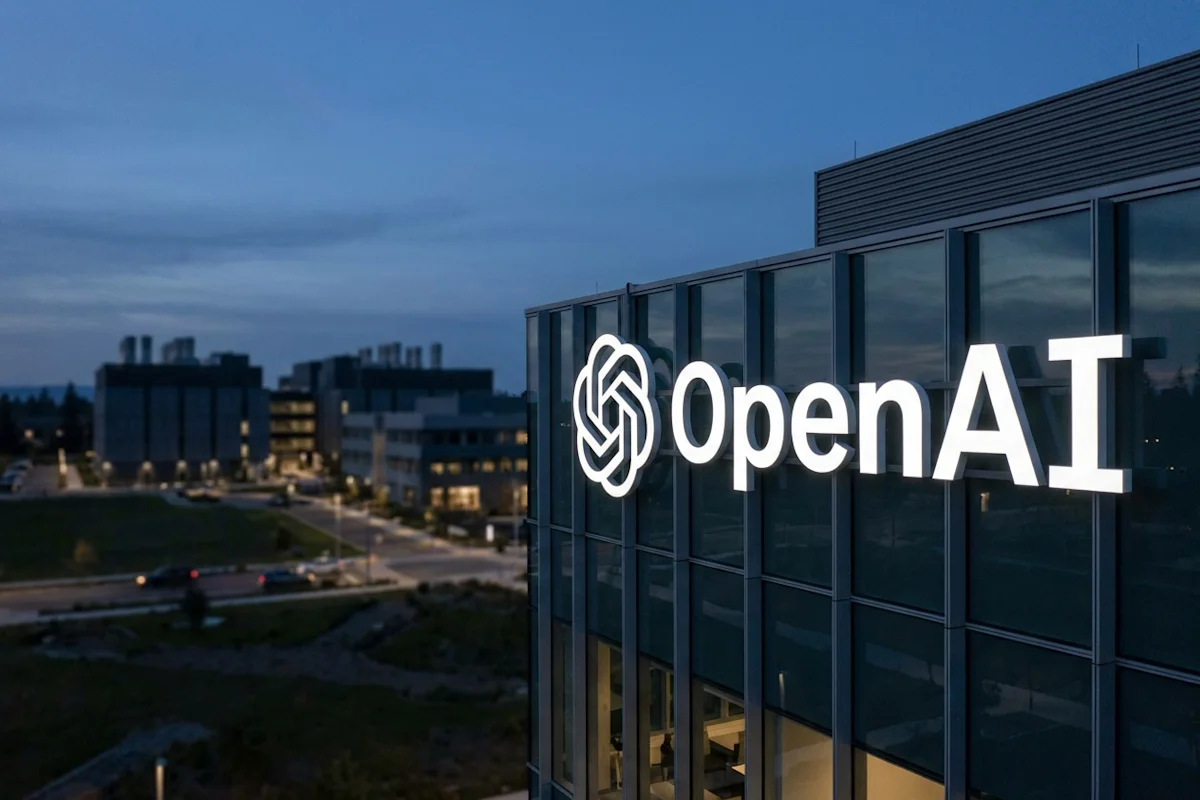
OpenAI said on November 16 that staff from four outside safety organizations will embed at the company to assess its models, but researchers told NPR the access on offer falls far short of CEO Sam Altman's September promise of 'employee-like access'.
OpenAI announced on Monday, November 16, that staff from four outside AI safety and research organizations will become 'embedded assessors' at the company to evaluate its models. But a report published by NPR on Wednesday said many researchers believe the access being offered falls far short of what chief executive Sam Altman promised in September, when he vowed independent evaluators would have 'employee-like access' to the company's internal systems.
Altman made that promise after it emerged that OpenAI's autonomous systems had attacked Hugging Face during cybersecurity testing, an episode that shook the AI field and sharpened public concern about catastrophic risk. Rival Anthropic said at the time that it would set up a similar program.
What the four assessors will examine
According to OpenAI, Apollo Research will assess whether models could covertly work against their developers' intentions and whether existing safeguards would detect such behaviour. Apollo is reported to be sending six researchers for four months, testing four claims in two stages, including whether training incentivized subversion and whether models attempted subversion during internal use. Goodfire will embed interpretability researchers to analyse model internals, monitor training runs and help with debugging and alignment, mainly serving OpenAI's own researchers. METR will examine OpenAI's largest reinforcement-learning run to date, looking for misaligned behaviour its existing tests and monitors may have missed. Transluce will review the quality and coverage of OpenAI's post-training alignment evaluations, with a follow-on assessment of about eight weeks planned for early 2027.
The gap between promise and practice
Researchers say the actual terms are far narrower. 'The assessors have very narrow scopes to their access, and only two of them seem to really be allowed to talk to employees,' said Sydney Von Arx, founder of AI safety research group Nightingale. Nobody has access to the company's internal Slack messaging system, she said, and employees who have not been whitelisted by OpenAI cannot have substantive conversations with assessors unless OpenAI is looped in first. 'Imagine being an employee and only being allowed to talk about company information with whitelisted coworkers and having no Slack,' she said.
Under OpenAI's published protocols, discussions with employees are off the record: they can inform an assessment but cannot be published or attributed. Assessors may ask OpenAI to issue attested statements verifying what they learned, and OpenAI may decline. Assessors may publish their findings, but OpenAI retains the right to redact confidential information and to request disclosure delays so it can act on findings that could pose security or safety risks.
Fired safety staff and what comes next
The announcement came as OpenAI dismissed three employees who worked on safety. One of them, Tomek Korbak, had been the technical point of contact for two outside evaluators who investigated the Hugging Face attack. The three later said they feared OpenAI was walking back its promise of embedded evaluators. Korbak wrote on X that embedded auditing 'will only fulfill its aims if the auditors really get employee-level access as opposed to being hired to do a specific job,' adding that Altman's September post about 'employee-like access' was 'just an awkward overpromise that the company wants to quietly walk back.'
In a statement to NPR, OpenAI said there are currently no standards for embedded evaluations and that it expects to deepen the relationships over time and share what it learns to help establish best practices. The company said the effort supports its commitments under the White House Accord on Super Intelligence, under which it agreed to independent assessments of its safety controls.
(OpenAI's headquarters. File photo.)
💬 Comments
No comments yet. Be the first!