 N環球
N環球 
Trump invokes Section 338 of 1930 Tariff Act to ban some Canadian imports, pulls $50B of Canadian goods from federal procurement
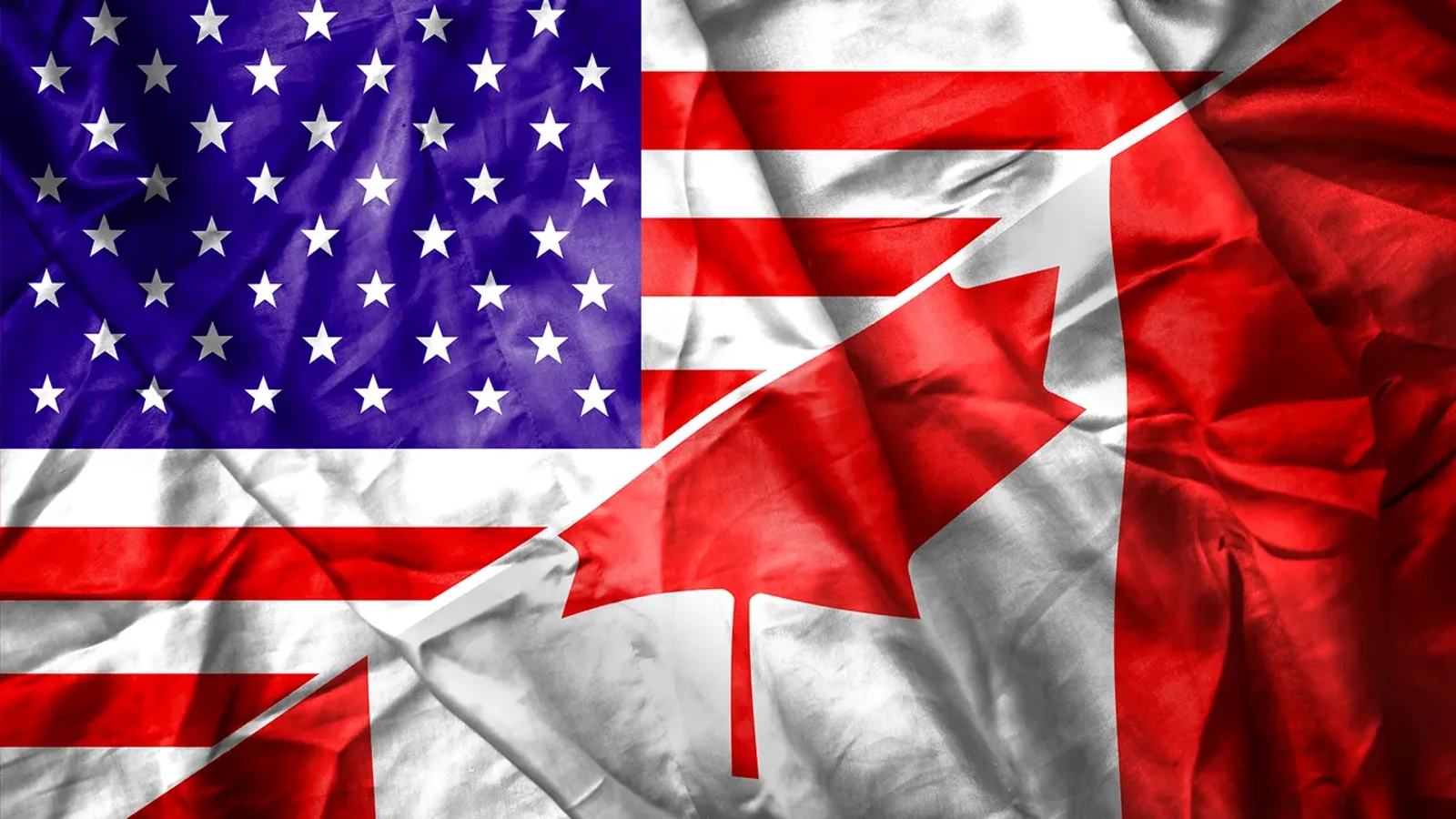
The USTR says Canada walked away from a near-final trade deal and chose "senseless retaliation"; Trump responded by banning certain Canadian motor vehicles, dairy and alcohol products from the U.S. market and ordering $50 billion of Canadian-origin products off GSA's Multiple Award Schedules.
Why it matters
The U.S.-Canada trade war escalated sharply on Friday. The Trump administration used Section 338 of the Tariff Act of 1930 — for the first time in practice as an import-ban power — against Canadian motor vehicles, dairy products and alcoholic beverages, and ordered $50 billion worth of Canadian-origin products off the U.S. federal government's procurement lists (GSA Multiple Award Schedules), hitting two key channels of Canadian exports to the U.S.
Full report
In a statement, U.S. Trade Representative Jamieson Greer said: "After weeks of good faith and intensive efforts between U.S. and Canadian negotiators, Canada walked away from a near-final trade deal that offered better treatment than any other trading partner, and instead Canada chose to embark on senseless retaliation against the United States." He called Friday's actions "a natural consequence" of Canada's "continued discriminatory treatment of crucial American exports."
According to the statement, President Trump exercised his Section 338 authority to ban certain Canadian products (motor vehicles, dairy and alcohol, with product lists published) from entering the U.S. market, and modified the scope of the July 20, 2026 Section 338 actions to "effectively offset the burden or disadvantage to U.S. commerce" from Canada's discriminatory measures.
Trump also directed USTR and the General Services Administration (GSA) to remove $50 billion worth of Canadian-origin products from GSA's Multiple Award Schedules. The White House published the corresponding presidential proclamations and a fact sheet.
Background: Section 338 of the Tariff Act of 1930 (19 U.S.C. 1338) empowers the President to impose duties of up to 50 percent on a foreign country's imports to offset discrimination against U.S. commerce. On July 20, 2026, Trump had already used it for three separate actions targeting U.S. exports of motor vehicles, alcoholic beverages and dairy to Canada. Section 338 also authorizes banning a country's products from importation if it maintains or increases discriminatory practices.
Reuters reported that Greer told CNBC on Friday there is "no urgency" on the U.S. side to resolve the standoff: "We're still getting what we need from them in terms of oil, gas, potash... We're comfortable with where we are." The import bans are expected to take effect next week; he also threatened 50 percent tariffs on Canadian autos, parts and steel from January. Canada's own retaliatory tariffs on U.S. goods took effect earlier this month, after the U.S. imposed 50 percent tariffs on about $20 billion of Canadian goods last month when negotiations collapsed. The Canadian Embassy in Washington did not immediately respond to a request for comment.
💬 Comments
No comments yet. Be the first!