 N環球
N環球 
US stocks close mixed: Nasdaq drops 1.25% as oil surges on Iran strike fears
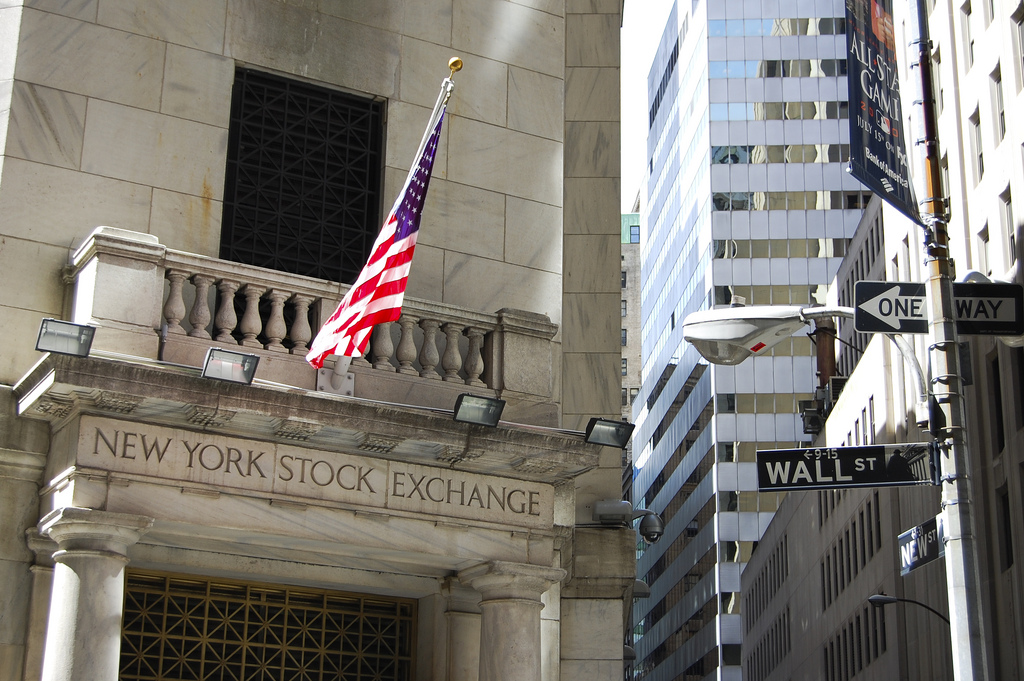
US stocks closed mixed on Thursday: the Dow edged up 0.1% to 51,231.64, the S&P 500 fell 0.47% to 7,765.36, and the Nasdaq dropped 1.25% to 27,193.34. AI and chip stocks came under pressure while Brent crude jumped 4.1% to $104.28 a barrel on fears that Trump is preparing massive strikes on Iran.
Why it matters
The S&P 500 and Nasdaq fell for a second straight session, retreating further from the record closing highs they reached on Tuesday. A more than 4% single-day oil surge hit risk appetite, with AI and chip names bearing the brunt, while defensive consumer stocks kept the Dow barely in the green.
Full report
At Thursday's close: the Dow Jones Industrial Average rose 0.10% (+51.77 points) to 51,231.64; the S&P 500 fell 0.47% to 7,765.36; the Nasdaq Composite dropped 1.25% (-345.35 points) to 27,193.34. The Philadelphia semiconductor index fell about 3.4%.
Tech weighed heavily: AI and semiconductor stocks were under the most pressure, with Nvidia down about 2.9% and Amazon about 2.3%; AI hardware and infrastructure names such as Coherent, Lumentum, Bloom Energy and Broadcom also slid. Among Dow components, Home Depot rose about 3.4% and Chevron about 3.1%, while defensive names like McDonald's, Coca-Cola and Walmart performed well. PepsiCo climbed after stronger-than-expected third-quarter revenue; Chipotle rose on reports that Starbucks had considered taking over the chain.
Oil was the day's main story: front-month Brent crude futures rose 4.1% to $104.28 a barrel, while WTI gained 3.6% to $91.49 a barrel. The trigger was fear that Donald Trump is preparing 'massive' strikes on Iran — Axios reported that the Pentagon instructed US Central Command several days ago to conclude preparations for resuming major combat operations in Iran, with potential strikes possibly coming before the US midterm elections in early November. Attacks by Yemen-backed Houthis on two Saudi airports, escalating strikes on commercial tankers in the Strait of Hormuz, and tropical storm Isaias heading toward the US Gulf Coast also lifted prices.
In bonds, the 10-year US Treasury yield pulled back 4.9 basis points to 5.232% after hitting its highest since 2002 in the previous session. Federal Reserve governor Christopher Waller had warned that further rate hikes may still be required to bring inflation under control, lifting borrowing costs.
This report covers verified market data only and makes no predictions about future moves.
💬 Comments
No comments yet. Be the first!