 N環球

Musk's Terafab presses Japanese suppliers for chip equipment 'within months' as it targets 1 million wafers a month by 2032
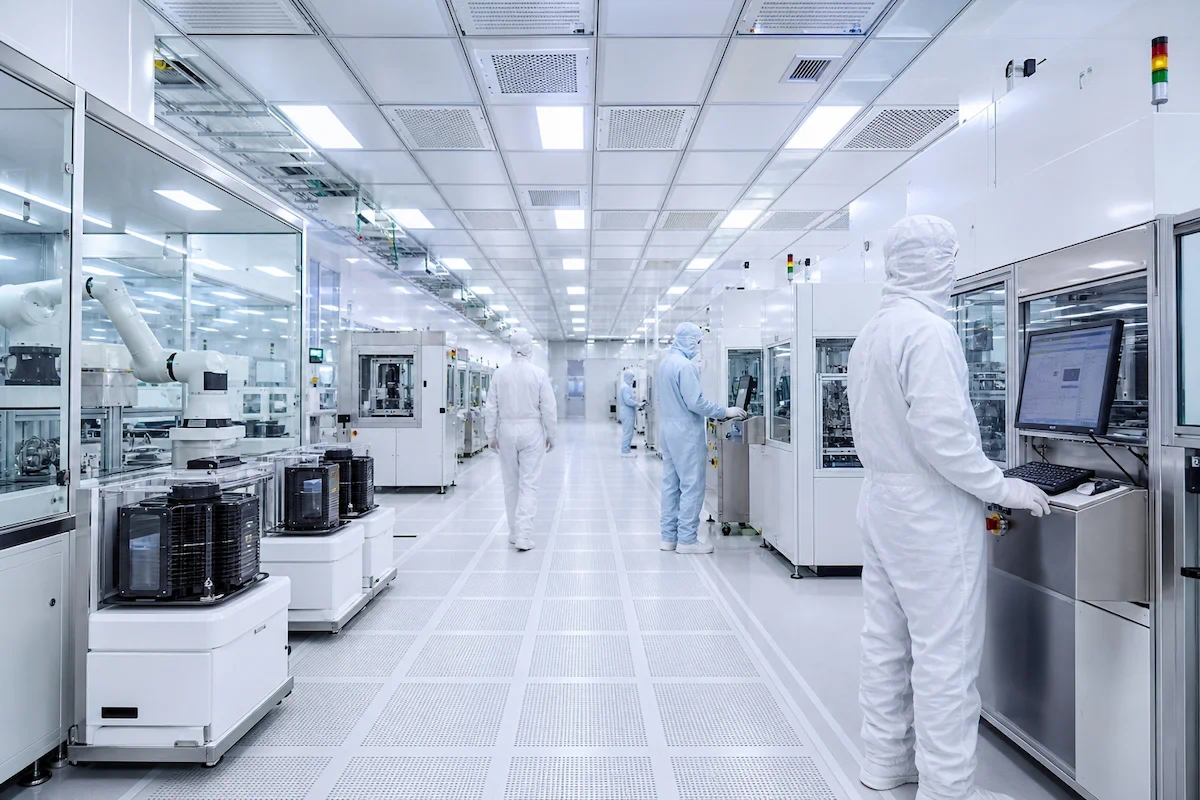
Terafab, the Tesla-SpaceX chip venture, has asked Japanese equipment makers to deliver within months to hit a target of volume production in the second half of 2028, Nikkei reported on 9 November; the project aims for one million wafers a month from 2032, about 40 times the planned output of Japan's state-backed Rapidus.
Elon Musk's chipmaking venture Terafab is accelerating: procurement officials visited Japan early this month and asked several semiconductor equipment makers to deliver equipment "within months", Nikkei reported on 9 November, as the Tesla-SpaceX project races to meet a target of volume production in the second half of 2028. Its long-term goal is one million silicon wafers a month from 2032 — roughly 40 times the output planned by Rapidus, Japan's state-backed chip venture.
One million wafers a month, 70% of it memory
Nikkei reported that Terafab informally told equipment makers and others this autumn of its capacity plan: about one million wafers a month from 2032, of which roughly 700,000 would be memory chips and more than 300,000 logic chips for computing. Neither Tesla nor SpaceX has commented on the report. If achieved, a single site's memory output would rival Samsung Electronics' entire DRAM capacity.
$16.8 billion first phase in Texas, with Intel supplying process technology
The main Terafab site is in Grimes County, Texas, with a first phase put at $16.8 billion; a research fab in Austin is to produce the first working test chips around May or June 2027, ahead of volume production in the second half of 2028. Intel has joined the project to supply manufacturing technology, with logic chips expected to use Intel's 14A process; whether TSMC takes part, and in what form, remains under discussion.
Suppliers call the order 'simply crazy'; industry doubts the timeline
One equipment maker told Nikkei the requested delivery schedule was "simply crazy" but that the company would do everything it could to meet it; others in the industry doubt the timeline, noting Musk has no experience in semiconductor manufacturing. On SpaceX's earnings call on 20 October, Musk thanked ASML and other suppliers for pulling equipment deliveries forward, and Terafab staff also lined up about 10 Korean suppliers at the SEMICON West trade show in October.
Musk announced Terafab in March, saying in October that it would begin mass production in the second half of 2028, to give Tesla and SpaceX an independent chip supply producing enough computing chips each year to support a combined one terawatt of AI and robotics computing capacity. The project also faces local resistance: details of its tax abatement deal with Grimes County remain sealed, with SpaceX suing to keep the application private while the Texas attorney general says it should be public. Sources: Nikkei, 9 November 2026 (via multiple outlets); THE ELEC; Jiji Press.
💬 Comments
No comments yet. Be the first!