 N環球

Trump waives new Russia sanctions and tariffs days before they take effect
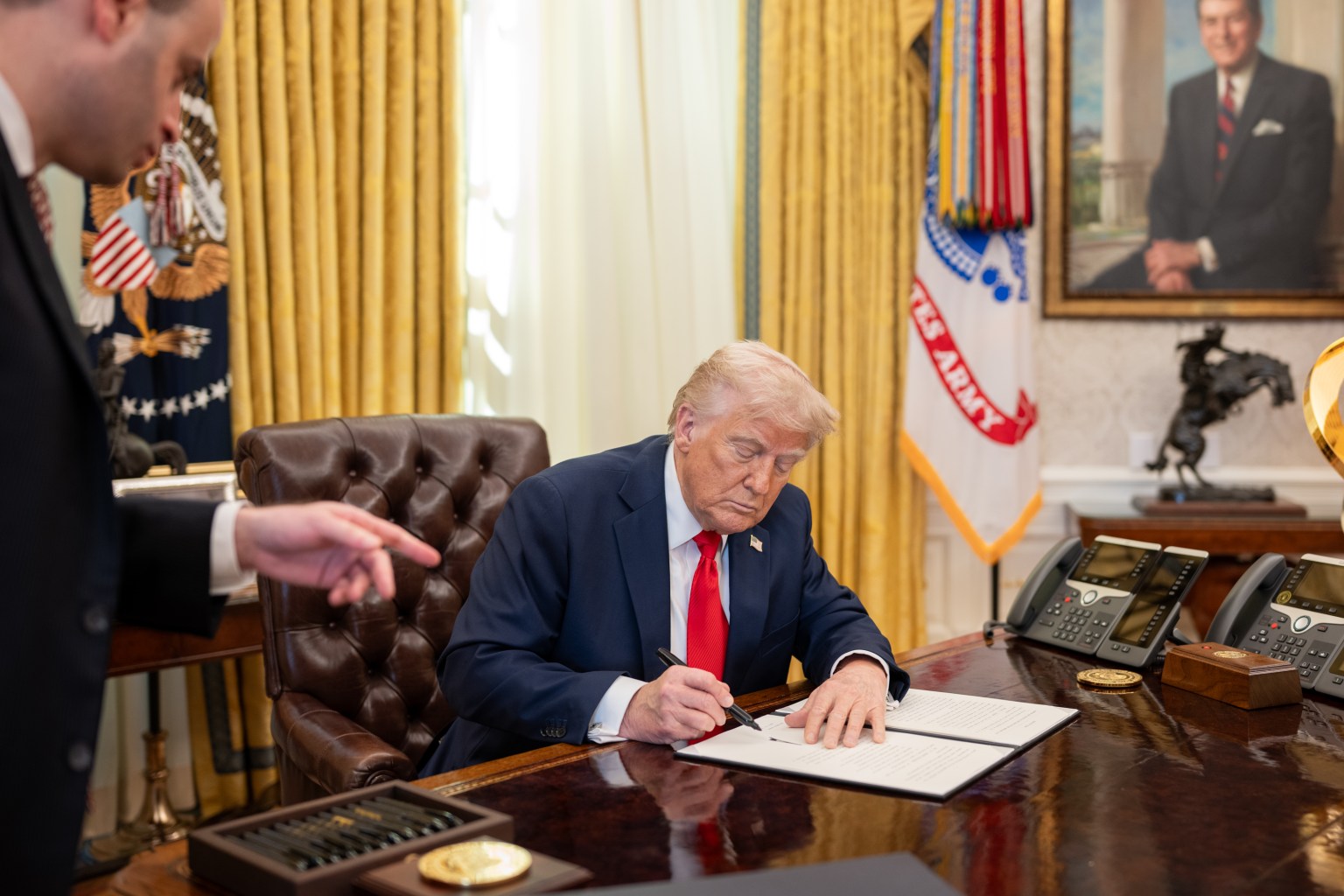
President Trump signed an executive order on Oct. 16 waiving most new sanctions and tariffs under the Lindsey O. Graham Sanctioning Russia and Iran Act, citing the U.S. national interest. Existing Russia sanctions remain in place.
Why it matters
The move is Trump's first use of waiver authority built into a law he signed just a month earlier. The Graham Act would have imposed duties of up to 100% on the largest buyers of Russian oil and gas starting Oct. 18. The open-ended waiver eases US-Russia energy tensions for now, but bipartisan lawmakers criticized it as too broad and indefinite.
Key points
On Oct. 16, Trump signed the order titled "Implementing the Lindsey O. Graham Sanctioning Russia and Iran Act of 2026," waiving duties under sections 112 and 113 of the Act and most of its sanctions on foreign persons and entities. The White House said Trump submitted a written certification to Congress stating the waiver is in the national interest of the United States; the certification and explanatory report have not been made public.
The Graham Act, signed Sept. 18, would have imposed duties of up to 100% on goods from the five largest importers of Russian crude oil and natural gas if they made new purchases on or after Oct. 18, plus 100% duties on the top five facilitators of sanctions evasion; the executive order also laid out a framework for 500% duties on Russian goods, which was waived as well. Reuters reports Trump directed the U.S. Trade Representative, working with the secretaries of State, Treasury and Energy, to monitor countries' purchases of Russian oil and gas and regularly report which countries rank among the top five facilitators of sanctions evasion.
The order explicitly preserves sanctions already imposed under earlier executive orders. The waivers stay in effect until the president or the secretary of state, in consultation with the Treasury and the Trade Representative, determines that further action is appropriate — there is no expiry date. In a bipartisan letter, Republican Rep. Michael McCaul and Democratic Rep. Jim Costa had urged the White House to fully implement the law and make any waiver "narrow, time-limited, and tied to measurable reductions in support for Russia's war."
Context
The waiver comes about a week after Washington eased sanctions on Russian diesel exports in exchange for Moscow releasing diesel into global markets. Analysts say the US-Israeli war on Iran has disrupted energy markets and pushed Brent crude near $110 a barrel — a five-month high — so fresh tariffs on the largest buyers of Russian oil could have raised U.S. fuel costs ahead of the midterm elections. China and India, among the largest buyers of Russian crude, had raised concerns about the legislation.
Secretary of State Marco Rubio is scheduled to visit Samarkand, Mumbai and Jamnagar from Oct. 17 to 22. In a separate sign of strained ties, Trump recently criticized Ukrainian President Volodymyr Zelenskyy, calling Kyiv's resumed strikes on Russian refineries a "disgrace."
Sources
White House executive order (Oct. 16); Reuters and Bloomberg reporting; bipartisan congressional letter.
💬 Comments
No comments yet. Be the first!