 N環球

ULA Vulcan rocket fails 10 minutes after liftoff; all 40 Amazon Leo satellites lost
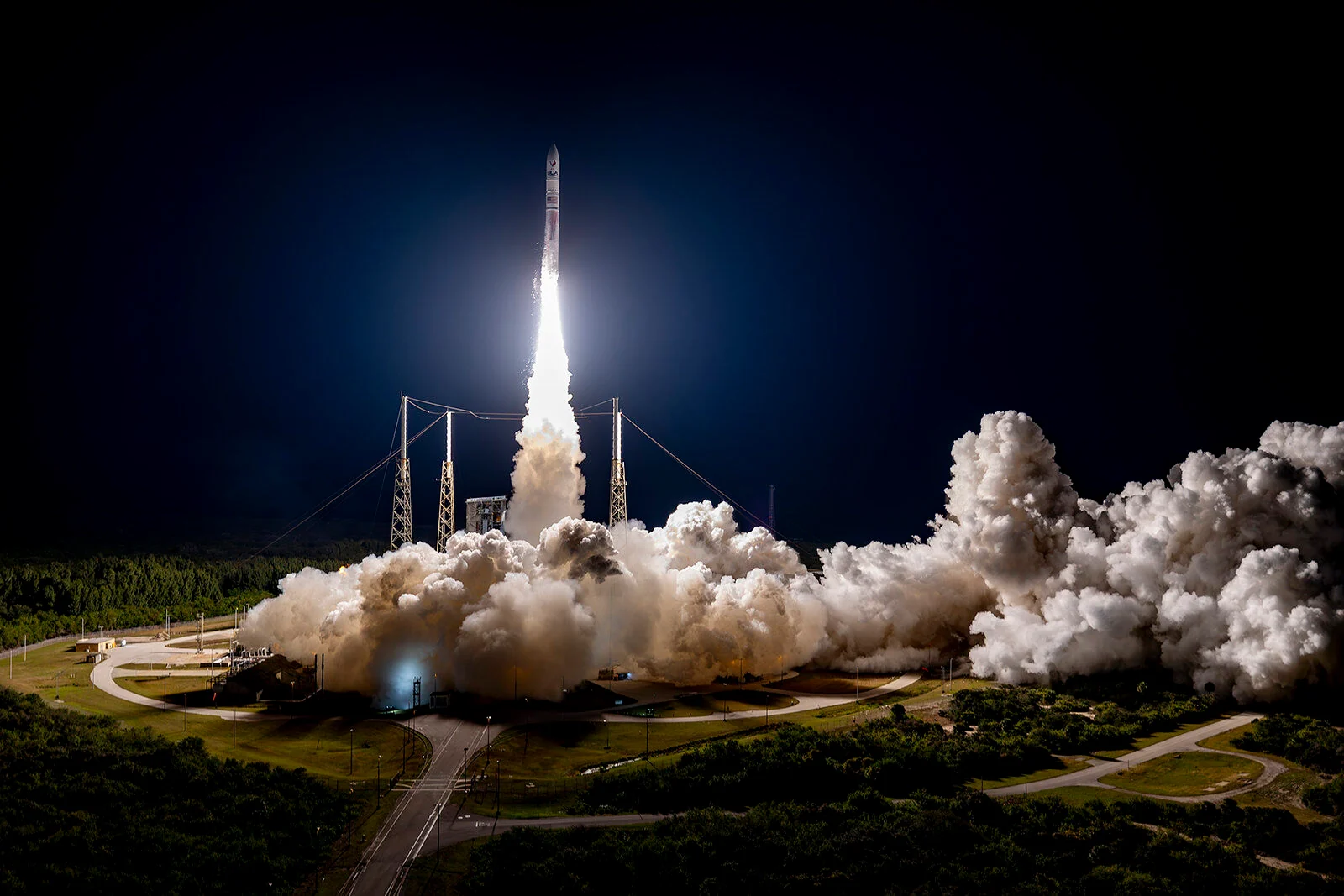
A United Launch Alliance Vulcan rocket suffered an anomaly about 10 minutes after liftoff on Sunday and failed to deliver 40 Amazon Leo broadband satellites to orbit, losing them all — the first complete mission failure for ULA since it was founded in 2006.
A United Launch Alliance (ULA) Vulcan rocket suffered an anomaly about 10 minutes after liftoff on Sunday and failed to deliver 40 Amazon Leo broadband satellites to orbit, losing all of them. It is the first complete mission failure for ULA since the company was founded in 2006, and a major setback for Amazon's satellite deployment programme.
The rocket lifted off from Space Launch Complex 41 at Cape Canaveral, Florida, at 12:40 p.m. EST on November 15. ULA said in a statement: “The Vulcan vehicle launched from Space Launch Complex 41 suffered an anomaly 10 minutes into the flight and failed to deliver the Amazon mission to orbit.” The company said the anomaly had only just occurred and it had no specific data yet on what happened, adding that it would work with its customer and other organisations to find the cause, determine corrective action and return to flight as quickly as possible. Reports said the anomaly occurred during the Centaur upper-stage burn.
First flight after a nine-month grounding ends in failure
It was Vulcan's first flight since February 12, when it carried a national security payload for the US Space Force. Although that mission delivered its spacecraft to the intended orbit, a solid rocket booster nozzle malfunctioned shortly after liftoff; a similar booster problem had occurred during Vulcan's second flight in October 2024. ULA and booster manufacturer Northrop Grumman conducted an extensive investigation and ground testing before returning the rocket to service after a nine-month stand-down.
The mission was also the first use of Vulcan's six-booster VC6L configuration. The 40 satellites weighed more than 22,700 kg, the heaviest payload ULA had attempted to launch. The central booster was powered by two BE-4 engines developed by Blue Origin, with a Centaur V upper stage on top.
Amazon's constellation plans suffer a setback
The failed mission was the first of 38 Vulcan launches contracted by Amazon to deploy its Leo satellite constellation, previously known as Project Kuiper. Vulcan is expected to launch close to half of the first-generation constellation. Amazon plans a constellation of more than 3,000 satellites (a target of 3,232), with about 396 in orbit so far — far behind Starlink's more than 11,100. Amazon had already completed eight successful satellite deployment missions using ULA's older Atlas V rocket.
Reports said the next batch of 36 satellites will instead fly on an Ariane 6 rocket from French Guiana on November 23. ULA had already been preparing a second Amazon Vulcan mission, LV-02, but its timetable is now uncertain, and the US Space Force is also awaiting Vulcan's return to flight to launch national security satellites. The cause of the failure is unknown, and ULA has not said when Vulcan will fly again.
(Photo: file photo of a ULA Vulcan rocket lifting off. Image: ULA.)
💬 Comments
No comments yet. Be the first!