 N環球
N環球 
Washington: Army report blames systemic failures for DC midair collision, urges safety fixes
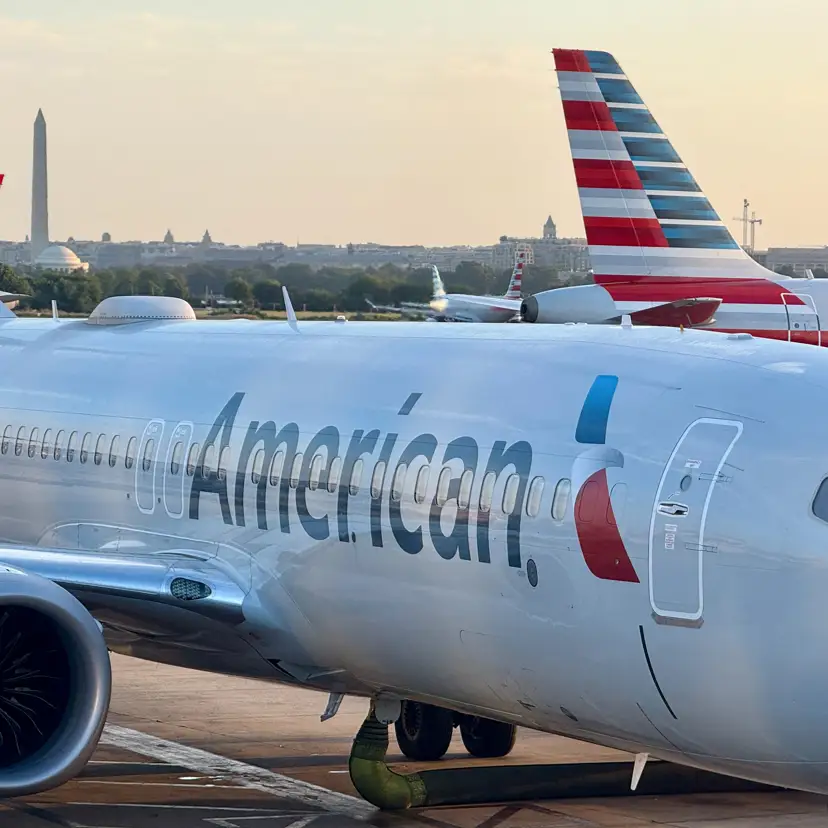
The Army's long-delayed internal report on the January 2025 Potomac midair collision that killed 67 admits breakdowns from air traffic control to safety culture; families still demand full accountability.
Why it matters
The U.S. Army has finally released its long-delayed internal investigation, admitting that the January 2025 midair collision over the Potomac River that killed 67 people was not a single error but systemic breakdowns across air traffic control, helicopter routing, crew training and military safety culture — while noting the tower controller could have prevented the tragedy. The report gives federal aviation-safety reform an official basis.
Full report
On the evening of Jan. 29, 2025, American Airlines Flight 5342, a regional jet carrying 64 people, collided with a U.S. Army Black Hawk helicopter carrying three soldiers over the Potomac River as the airliner descended toward Ronald Reagan Washington National Airport. Both aircraft fell into the river; no one survived. It was the deadliest plane crash on U.S. soil in more than two decades.
The report identified two failed radio transmissions as the most significant contributing factor — the helicopter crew never received information that could have helped them identify the airliner and maintain visual separation. The crew's night-vision goggles restricted their field of view, and Washington's bright city lights made the plane harder to spot. The helicopter route near Reagan National was poorly designed, allowing only 75 feet of vertical separation between a Black Hawk and a landing aircraft — a margin that did not account for the accepted error range of a Black Hawk's altimeter; the NTSB found the helicopter was flying nearly 100 feet higher than its instruments indicated. The Army said the tower controller at Reagan National could have prevented the crash, while acknowledging the military's own failings.
The report was completed in May but the military did not release it. Victims' families pressed the Army for months with daily social media posts; Associated Press reporter Josh Funk obtained a copy before it went public. Tim Lilley, a former Army Black Hawk pilot whose son Sam was the airliner's first officer, said parts of the report were redacted and responsibility was assigned too broadly: "The Army owes the families and the American public a full accounting." The Army said Thursday: "We recognize the families' need for answers and remain committed to transparency."
The Army says it has inspected and reconfigured 3,585 helicopters, strengthened training and is testing Black Hawk altitude instrumentation, and is reviewing helicopter operations in other major cities, including Los Angeles and the Seattle-Tacoma region, for similar risks. The report urges Congress to act.
💬 Comments
No comments yet. Be the first!