 N環球

Muséoparc Vanier: two hundred years hidden east of Ottawa
2026-11-03
Yang said: Go into the small museum near my home and see how a French-speaking community grew from a canal to a city, and then turned back into a district.
Let me first talk about a problem that has confused me: Where I live, when writing the address, I can write Ottawa or Vanier in the city column, and I can send letters. Is it a district of Ottawa, or a city on the same level as Ottawa?
The answer is: both are correct, just in different years. Vanier used to be an independent city, with its own mayor, city council, police and taxation, and it was on an equal footing with Ottawa next door. It took almost ninety years. In 2001, when Ontario launched a merger of municipalities, it was merged into Ottawa, and it has since become the name of a community. The history of this area is hidden in a small museum on the second floor of the Richelieu-Vanier Community Center - Muséoparc Vanier, Vanier Museum. I went shopping on my day off and took thirty-five photos. I arranged them from oldest to newest and will tell you about them one by one.
The story begins with the canal. In 1826, the British army excavated the Rideau Canal, and a lumberjack town, Bytown, grew next to the construction site. This was the predecessor of Ottawa. More and more French-speaking workers and immigrants gathered, and many of them crossed the Rideau River and settled on the east bank—the east bank that later became Vanier. French-speaking residents built churches, schools, and factories here, and managed to hold on to a French-speaking territory next to the English-majority capital.
In 1909, the three villages on the east coast, Clarkstown, Janeville, and Clandeboye, merged to form the village of Eastview, which was upgraded to a city in 1913. Factories came, trams opened, and the population increased. In 1926, a mysterious French mutual aid organization, the "Knights of Jacques Cartier," was born in Eastview. It later spread throughout Canada and became the most legendary page of this small town. In 1969, Eastview was renamed Vanier in honor of the recently deceased Governor-General Georges Vanier, Canada’s first French-born Governor-General. On January 1, 2001, the great merger came into effect, and the municipality of Vanier passed into history, leaving only its place name, its postal name, and a museum that guards its memory.
Today, Vanier is the oldest French-speaking community in Ottawa. The Montreal Road area is undergoing a new round of renovation and gentrification. Old residents and new immigrants, new cafes and old churches are crowded on the same street. After reading these thirty-five photos, you will probably be able to understand the two hundred years that have passed under my feet on the streets where I deliver goods every day.
(Muséoparc Vanier: 300 des Pères-Blancs Ave, 2nd floor, admission $4.99 CAD; photos in this issue November 3, 2026.)
01|1826|It all started with the canal
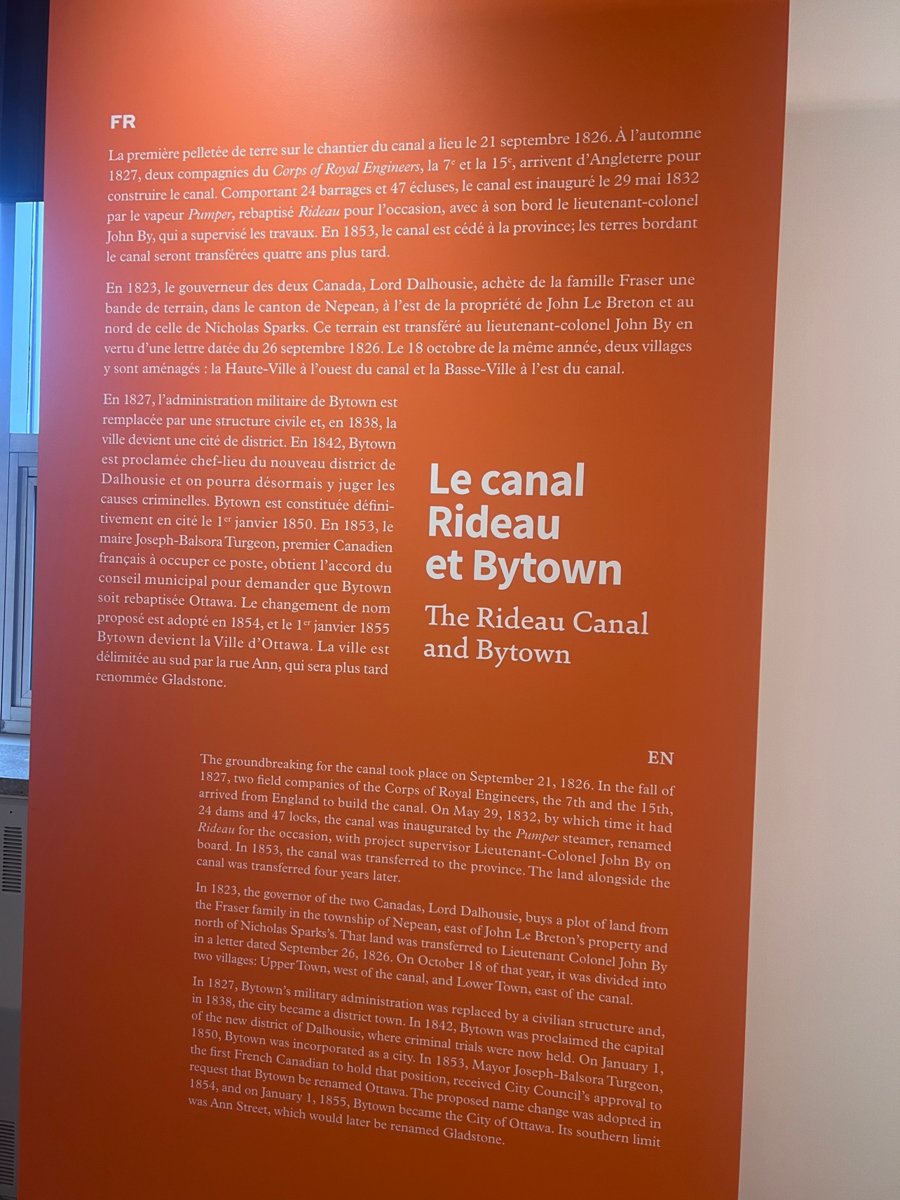
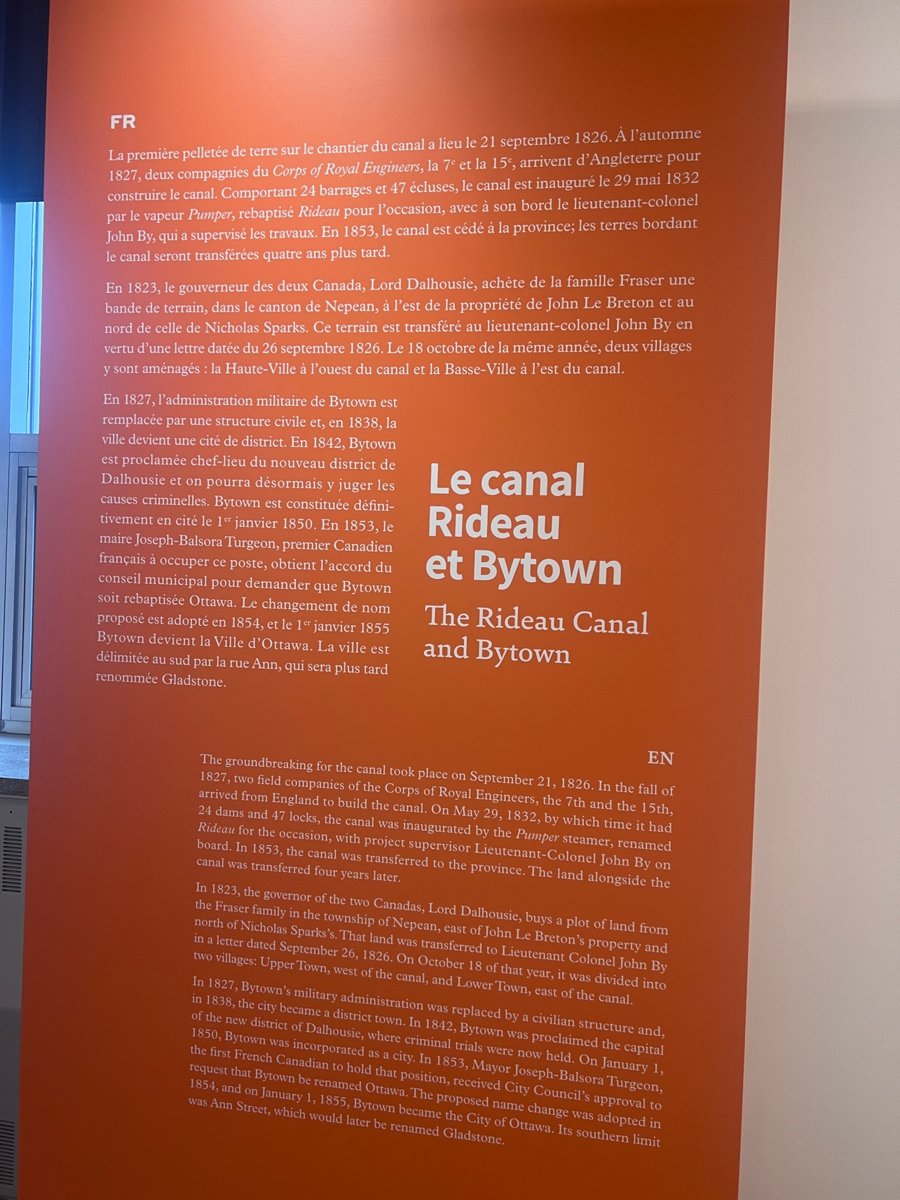
On September 21, 1826, ground was broken for the Rideau Canal, and Chief Engineer Colonel John By built the site town of Bytown on the river. The canal was opened to navigation in 1832, with a total length of 202 kilometers and 47 locks. It was originally a military project to prevent American attacks, but it accidentally gave birth to a capital city. Vanier’s story begins with the French-speaking workers on the canal construction site.
02|1845|Sister Bruyère: running hospitals and schools from scratch
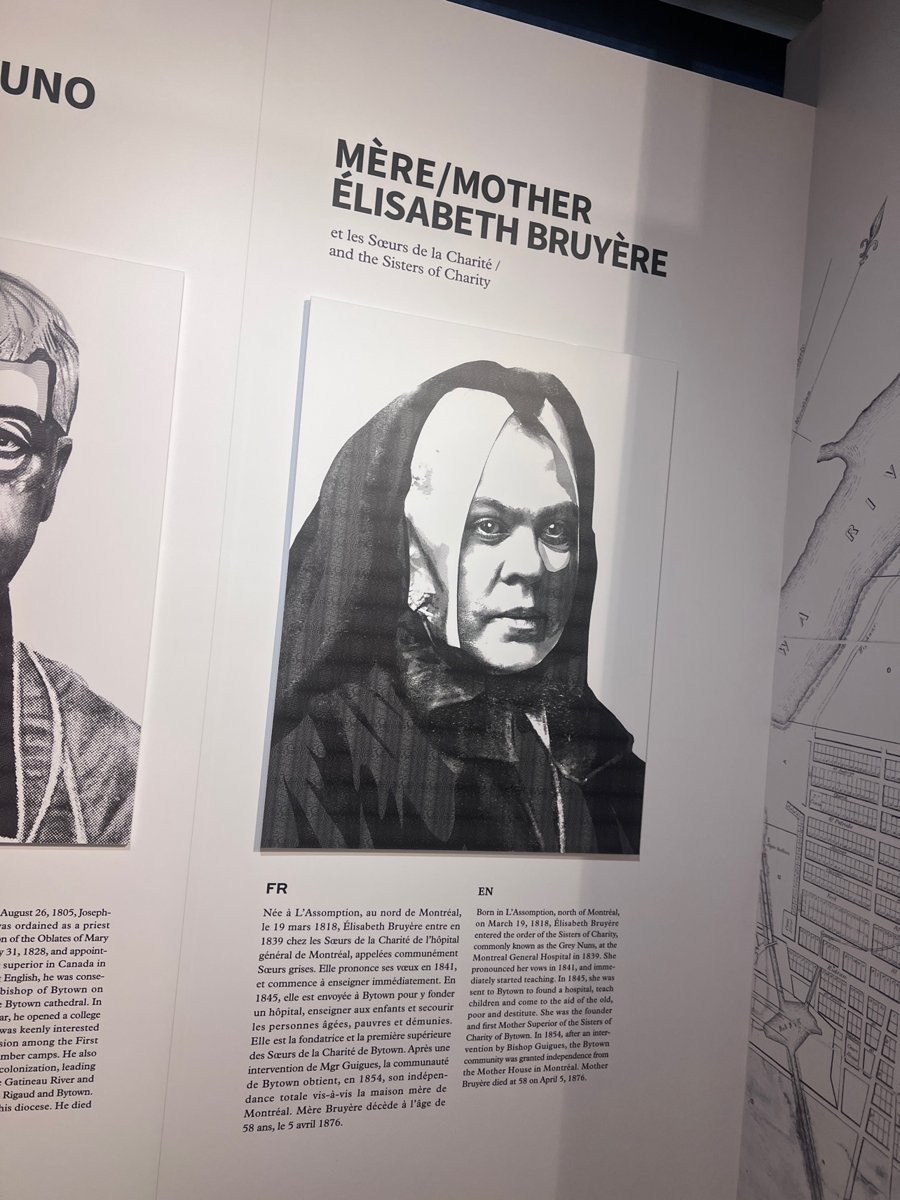
In 1845, Sister Élisabeth Bruyère, who was only 26 years old, came to Bytown with three gray nuns and started a hospital, school and orphanage with nothing, caring for everyone regardless of faith. When she died in 1876, the farewell procession stretched for three kilometers - charity and education in this city began with this nun.
03|1848|The first Bishop Guigues
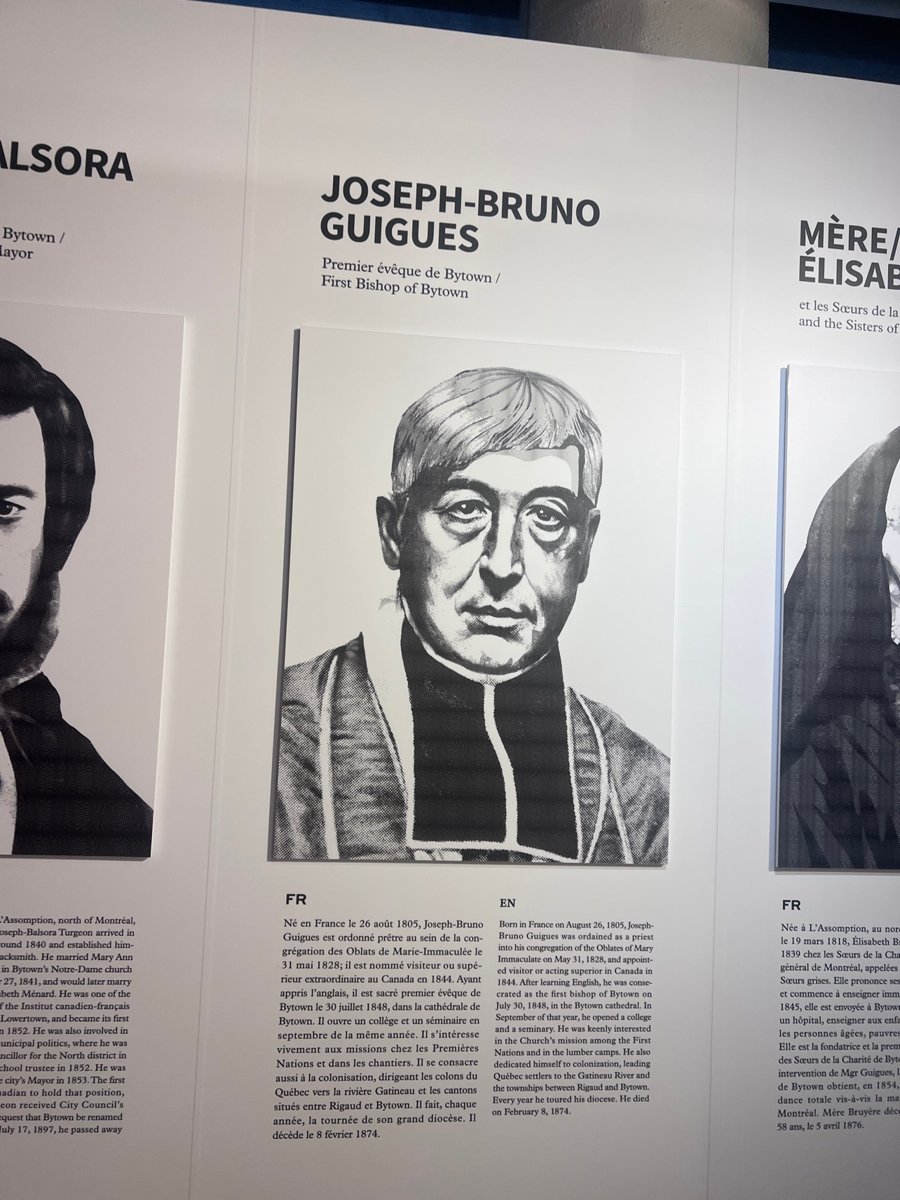
In 1848, Joseph-Bruno Guigues became the first Catholic Bishop of Bytown. When he arrived, there were only a few small churches in the diocese, and primary schools were still held in private houses. He single-handedly promoted the construction of a cathedral and a French school system, which laid the framework of the community for the French-speaking residents on the east coast.
04|1853|The first French-speaking mayor Turgeon
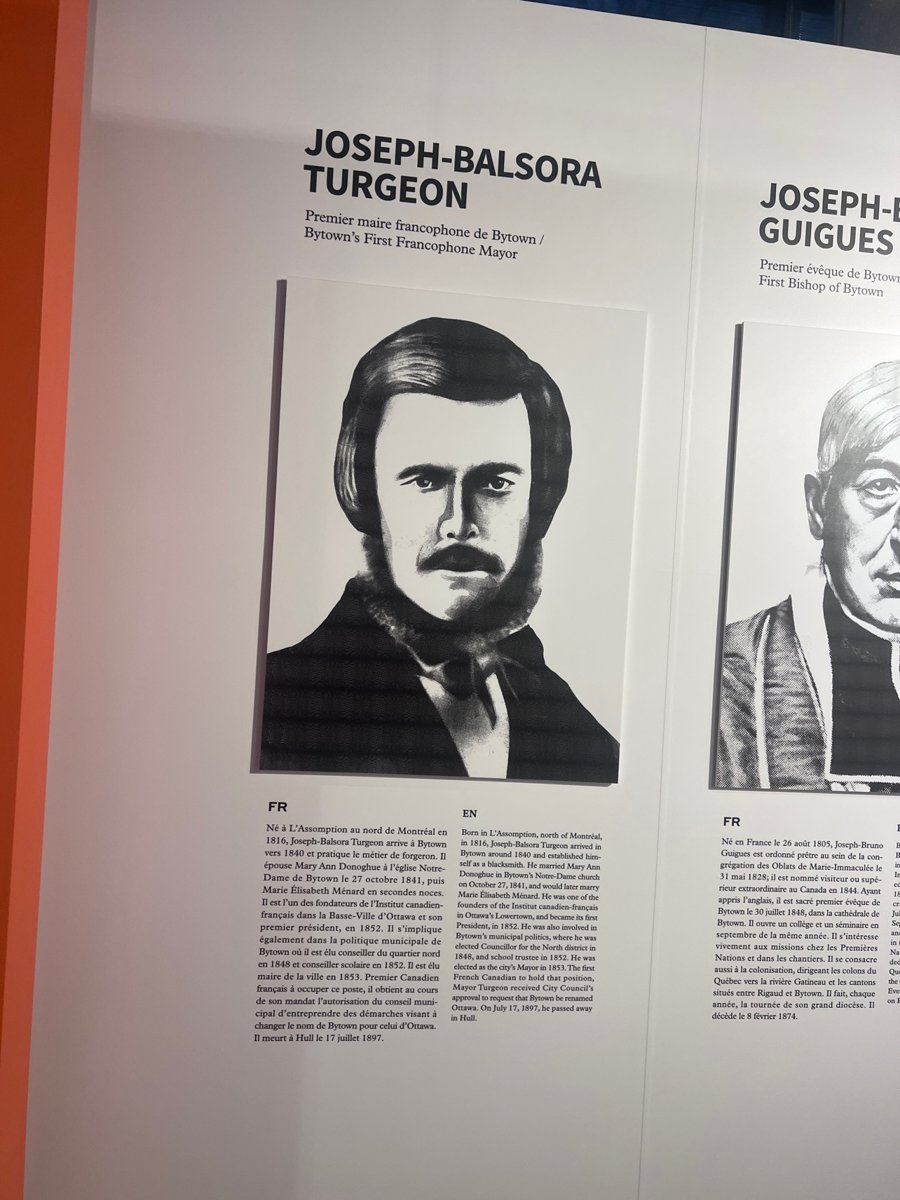
Joseph-Balsora Turgeon was Bytown's first French-American mayor (1853–1856). At the end of 1854, the city council voted and he advocated changing the name of Bytown, which had the atmosphere of a logging town, to Ottawa, which took effect on January 1, 1855. The name Ottawa was given by a French-speaking mayor.
05|Circa 1850s onwards|The first French-speaking residents and Cummings Bridge
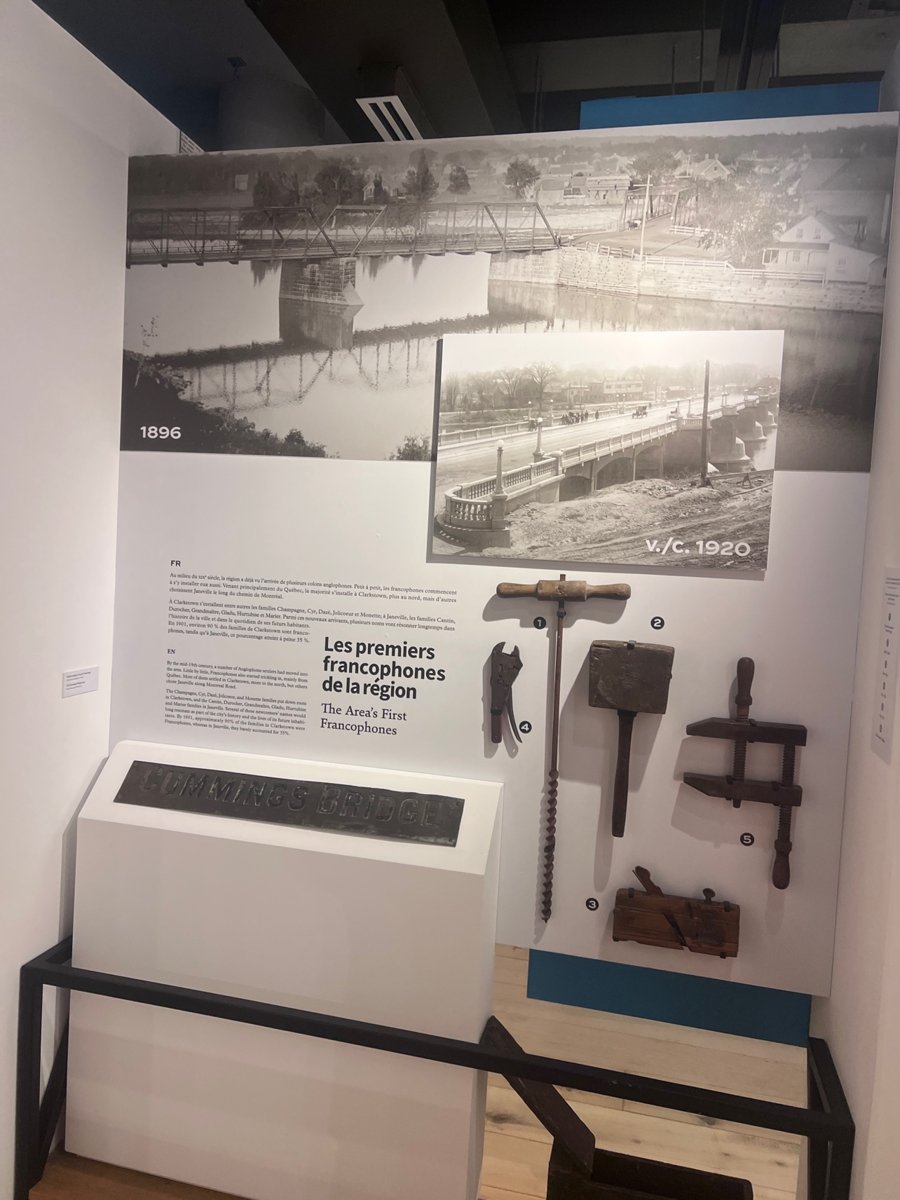
Above the display case are two black and white photographs of the Cummings Bridge across the Rideau River: the wooden bridge from 1896, and the steel bridge from about 1920. Since the 1850s, French-speaking families have successively bought land and settled on the east coast, connected to Bytown on the other side by this bridge. The old carpenter's tools below are those used by residents to build their own houses.
06|1887|Notre-Dame-de-Lourdes Parish
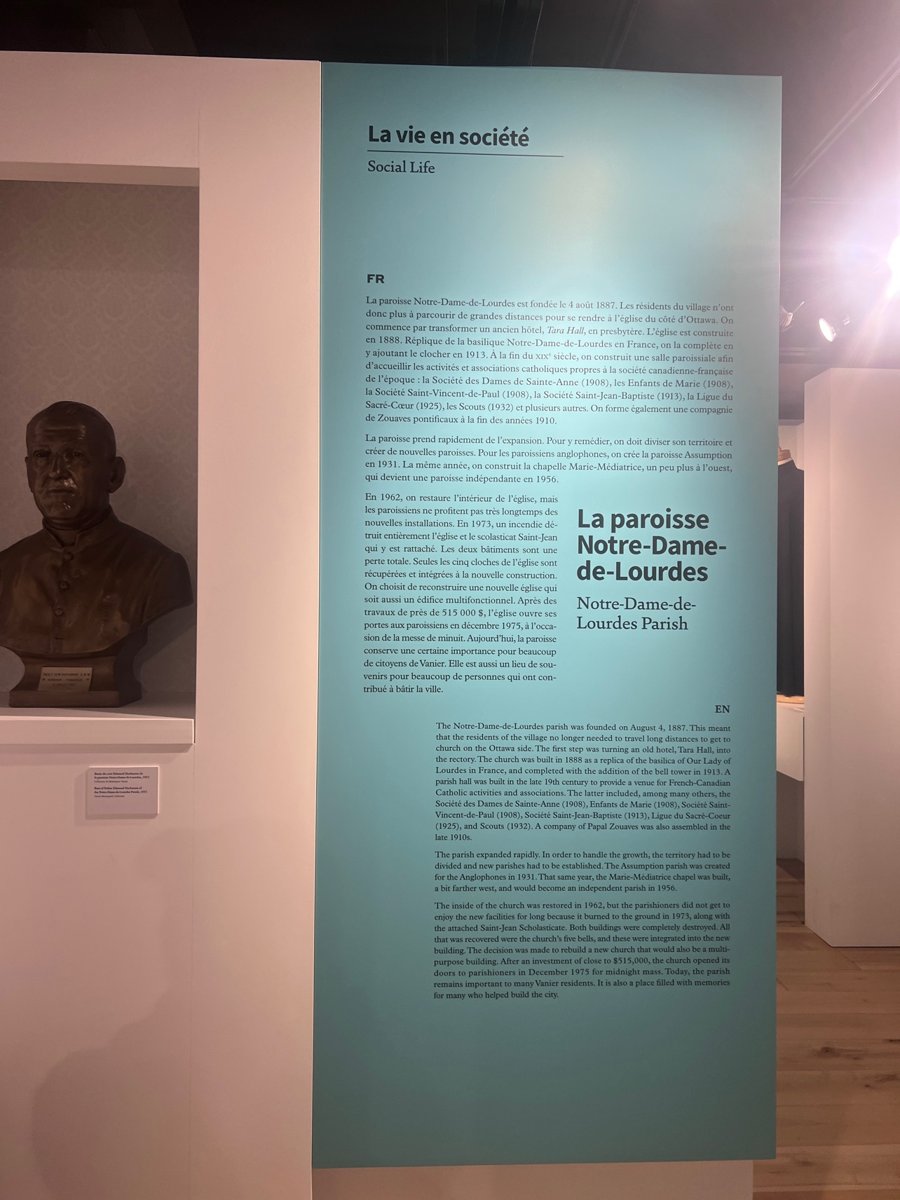
In 1887, the parish of Notre-Dame-de-Lourdes was established, and the church became the center of the French-speaking residents of the East Coast: Masses were held, schools were organized, and societies were organized. All major and minor events in life were held here. The portrait relief next to the display panel is a memorial to the community. For a long time, the parish register was the population register of this small town.
07|Late 19th to early 20th century|A corner of the old grocery store
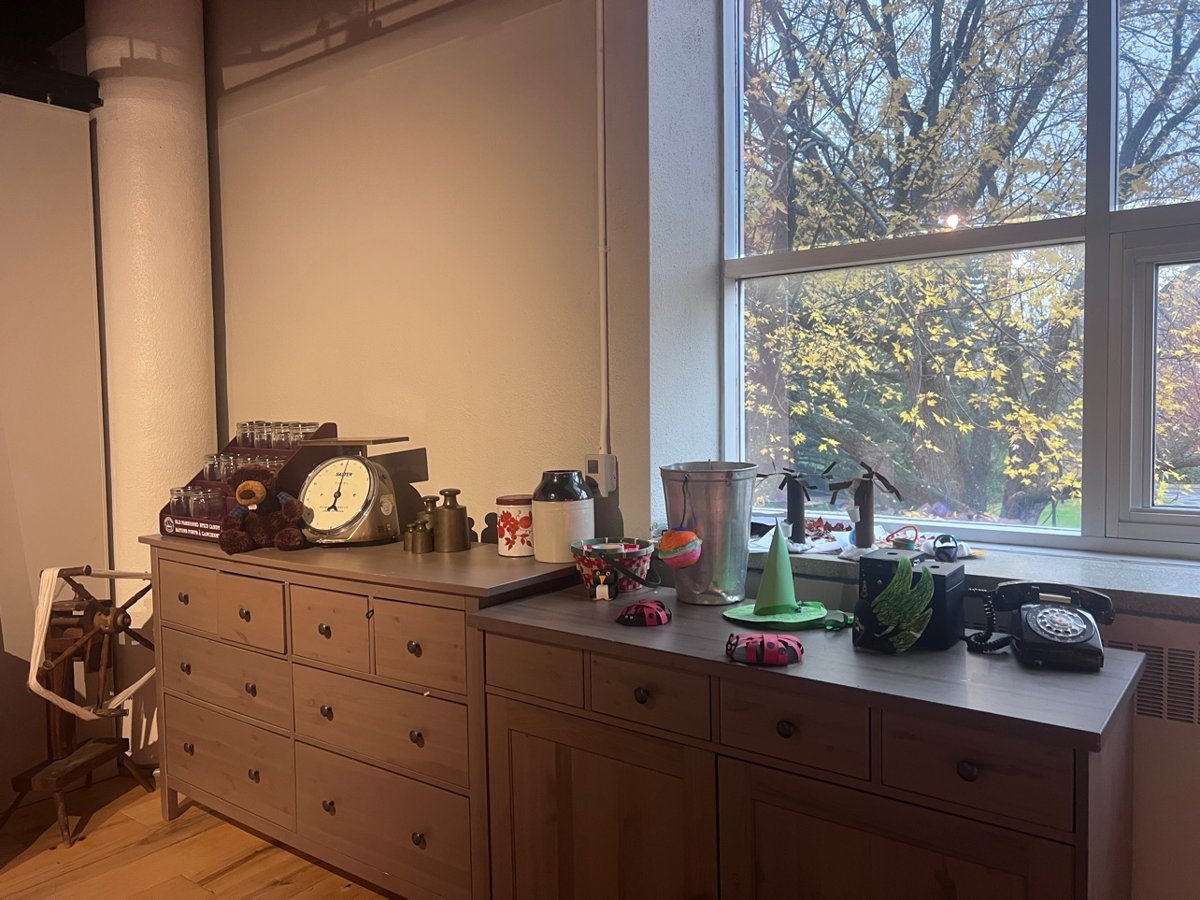
An old-fashioned wall clock, a rotary phone, a hand spinning wheel, and a wooden counter—this is a corner of the original grocery store. In those days, the corner grocery store was both a store and an information station. News about who had a baby or who had found a job could be reported faster than the newspapers. Outside the window is Vanier today, the autumn trees.
08|Old Tradition|Maple Sugar in Spring
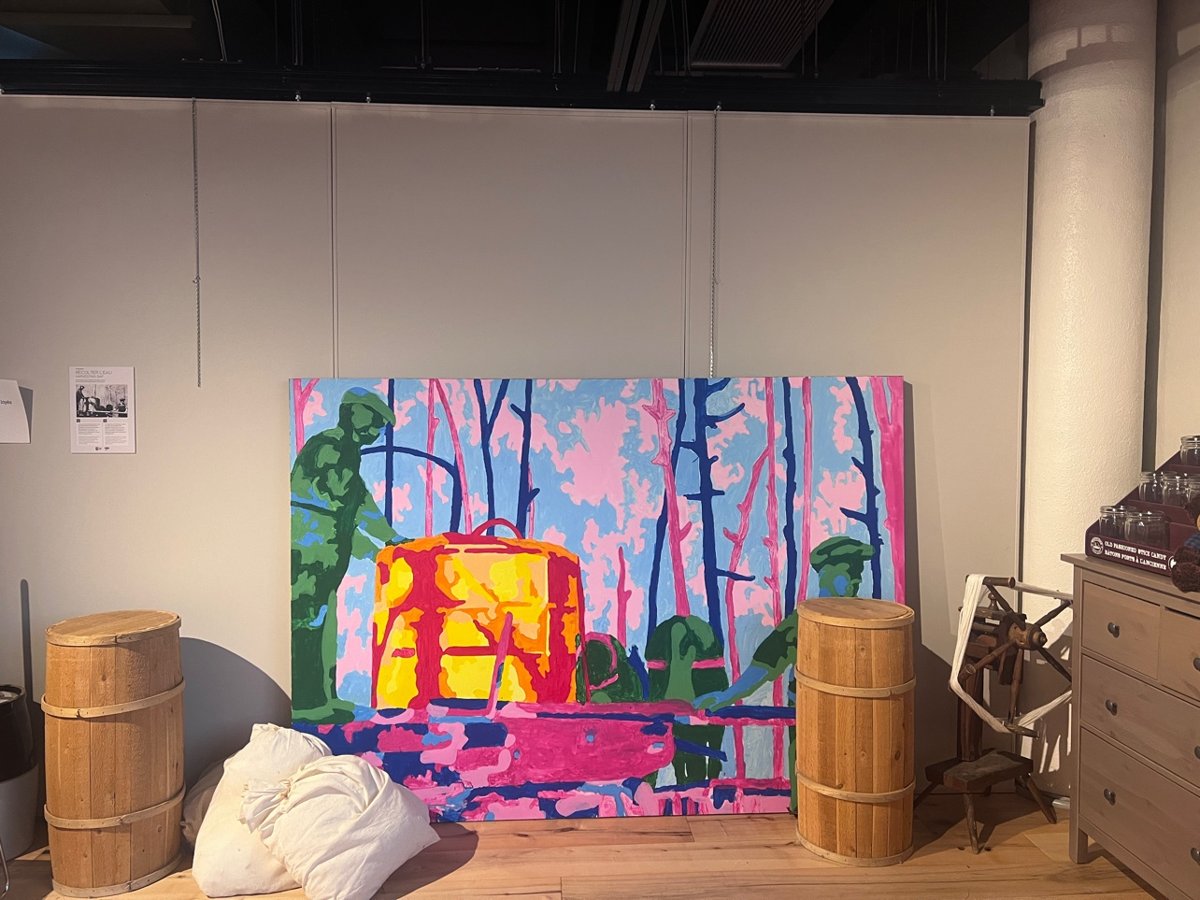
This richly colored painting depicts the scene of making maple sugar in the early spring, with wooden barrels used at that time on both sides. Maple sugaring is an old tradition for French-speaking residents of Quebec and Ontario: as soon as the snow melts, every family goes to the sugar maple forest to collect juice and boil syrup. Vanier still holds a Maple Sugar Festival every spring, and there is a sugar shack next to the museum.
09|1909|The first city council
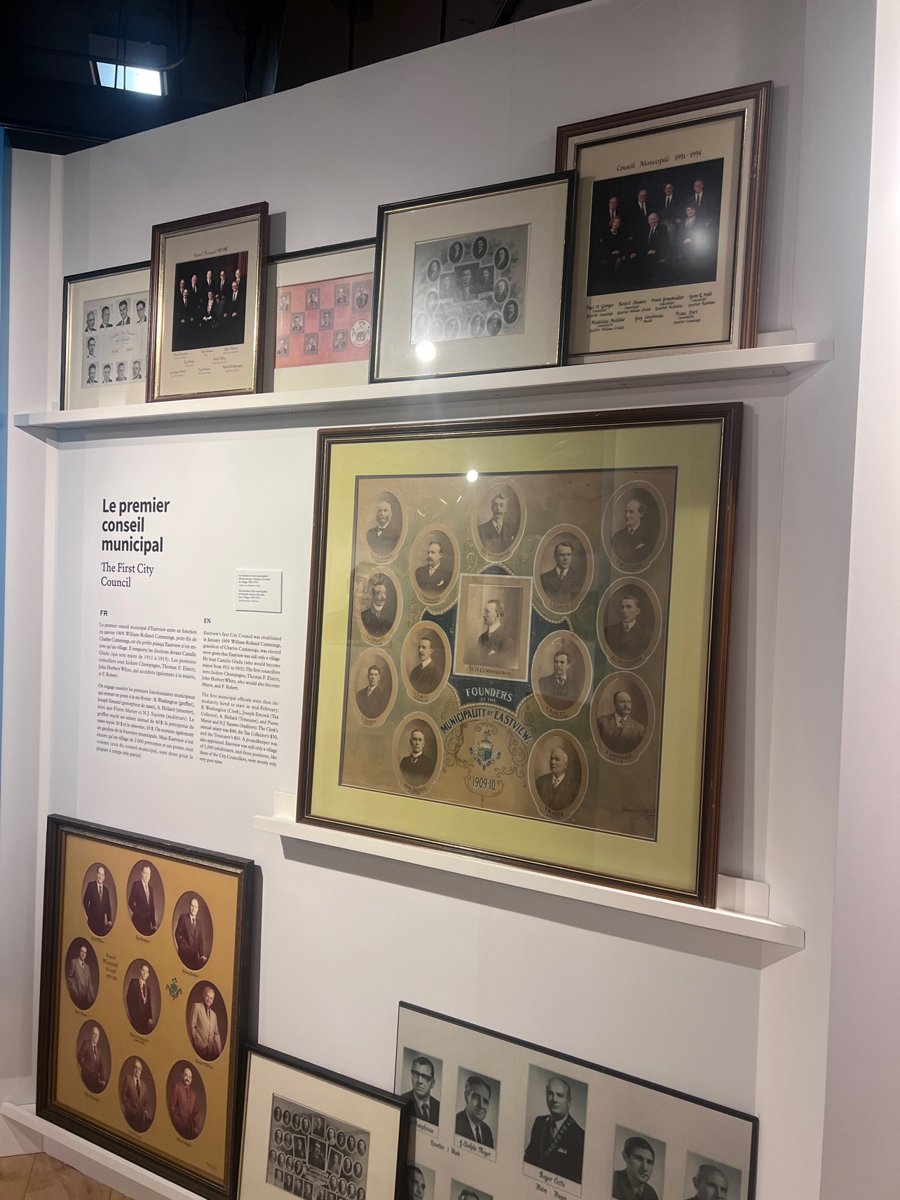
The row of framed portraits on the wall are all members of Eastview's first city council in 1909–1910. In December 1908, the Ontario Legislature passed the Incorporation Act, and the three villages merged to form the Village of Eastview. Starting from this room of people, this land on the east coast had its own government for the first time.
10|1909–1930|A “forced marriage”
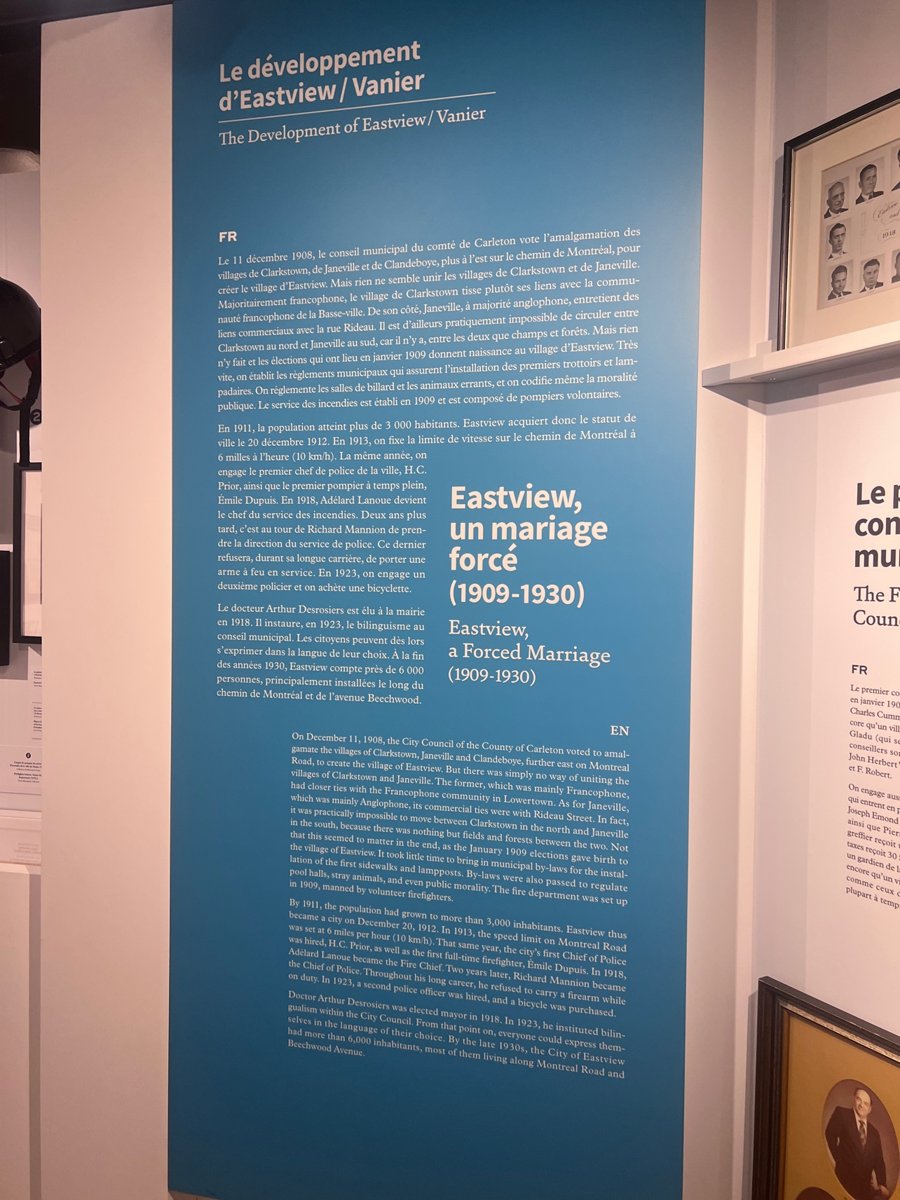
The title of the exhibition panel is unflattering: Eastview, un mariage forcecé—a forced marriage. The three villages each have their own agendas and are brought together by the provincial government. In the early days of the merger, there was not even a decent city hall, and there were constant quarrels over taxation and road construction; in 1913, the population exceeded 3,000, Eastview was upgraded to a city, and the speed limit for cars on Montreal Road was 6 miles per hour in 1913.
11|Since the 1910s|Manufacturing and Industry
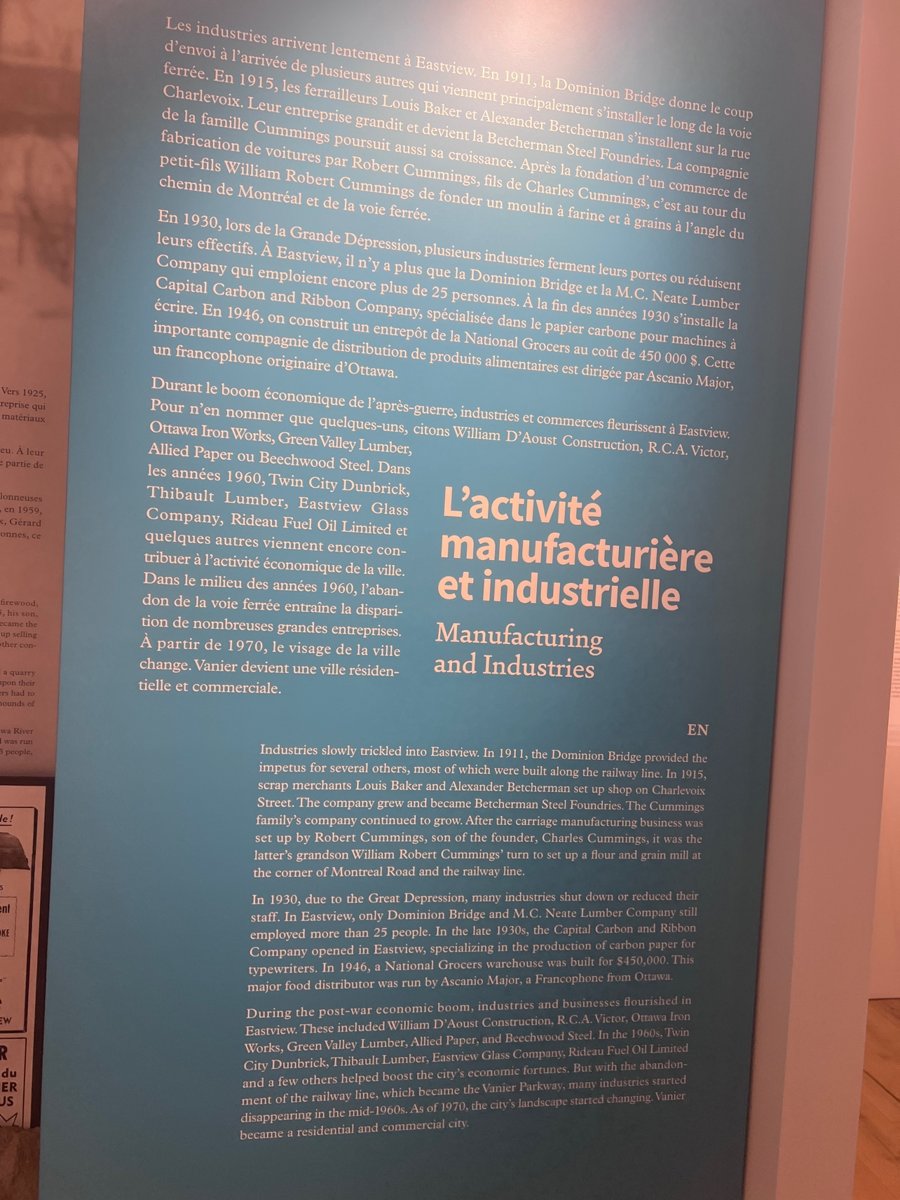
At the beginning of the 20th century, land prices and labor on the east coast were cheaper than on the other coast, and factories were opened one after another: flour, lumber, printing, machinery. This display panel talks about the industrial infrastructure of the small town - Eastview's growth from a village to a city depends not on government agencies, but on these smoking factories and workers who come to get off work on time.
12|1911|Dominion Bridge Steel Bridge Factory
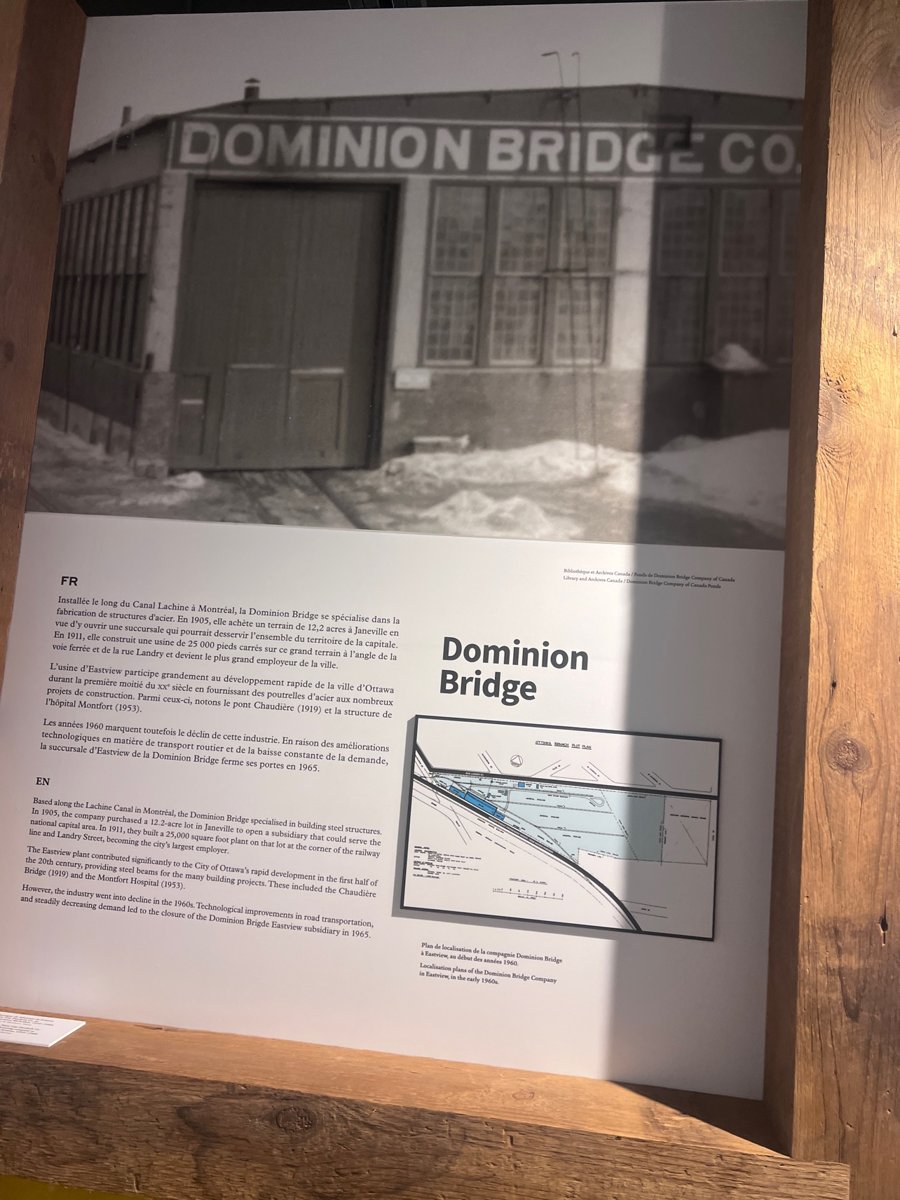
In 1911, Dominion Bridge built a steelworks in Eastview and was for a time the city's largest employer. The Chaudière Bridge in Ottawa and the steel beams of Montfort Hospital all come from this factory. The map on the panel marks the site of the factory, just north of today's Montreal Road. The factory closed in 1965, bringing the end of an industrial era.
13|1912 onwards|Bélanger: the person who litigated for the right to attend French schools
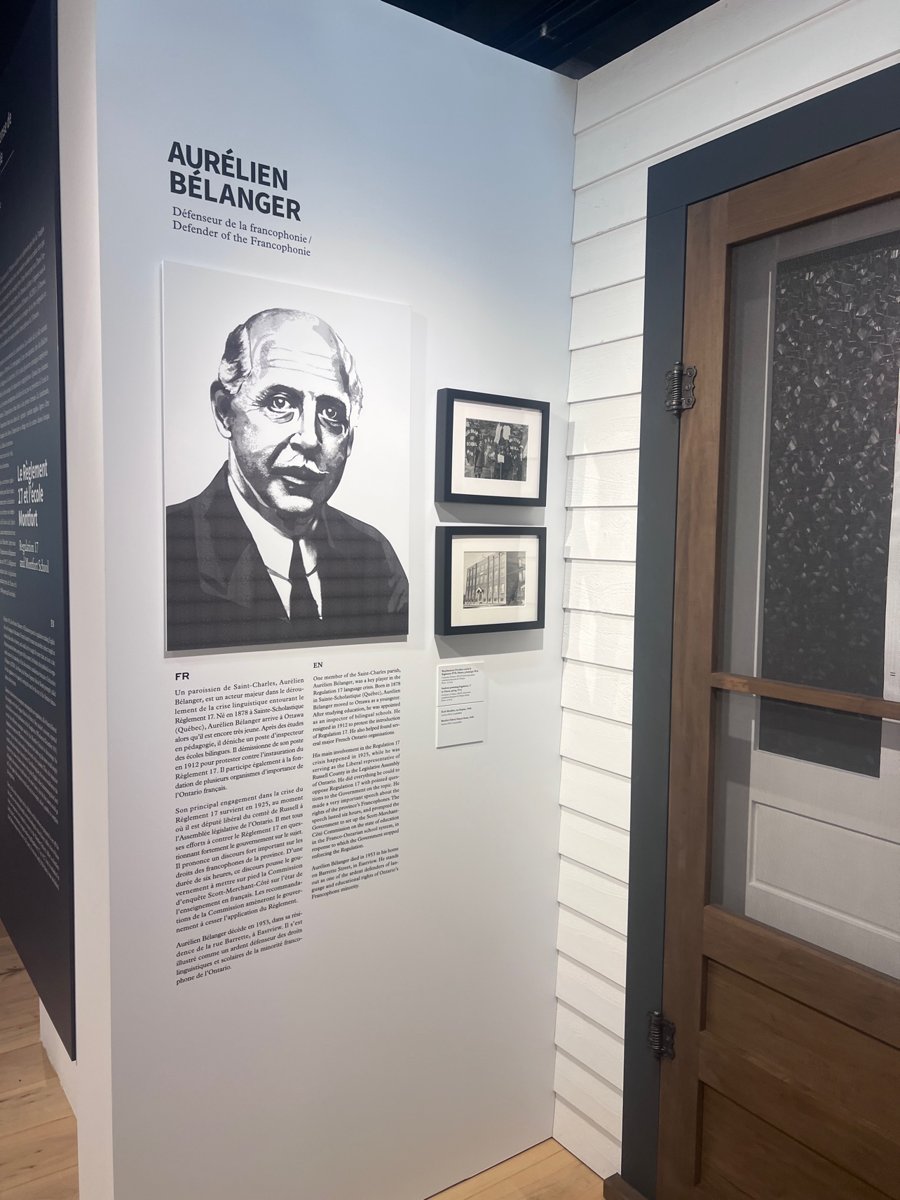
In 1912, Ontario Ordinance 17 all but banned the teaching of French. Aurélien Bélanger—a teacher turned provincial councilor—led the fight for more than a decade, forcing the provincial government to back down in 1927. He is a French-speaking rights fighter who came out of Vanier. He is responsible for the fact that Ontario children can learn French in school.
14|First half of the 20th century|Business on Montreal Road
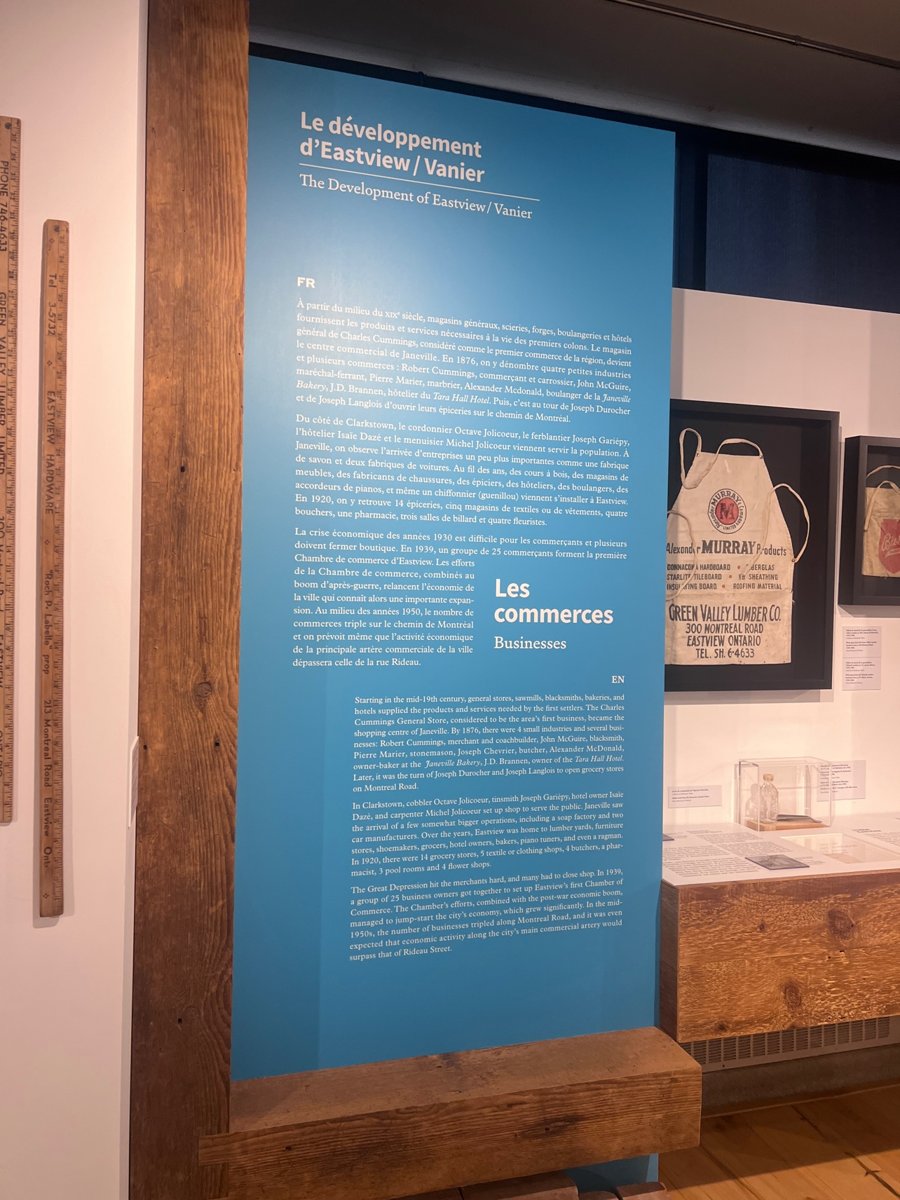
This blue display board talks about the business of the small town: along Montreal Road, bakeries, butchers, hardware stores, and movie theaters are located one after another. For French-speaking residents, it is part of their dignity to buy everything in French in their own community. This street is still the main street of Vanier today, and the old signs have new faces, but the skeleton remains unchanged.
15|1925|Saint-Jean Seminary
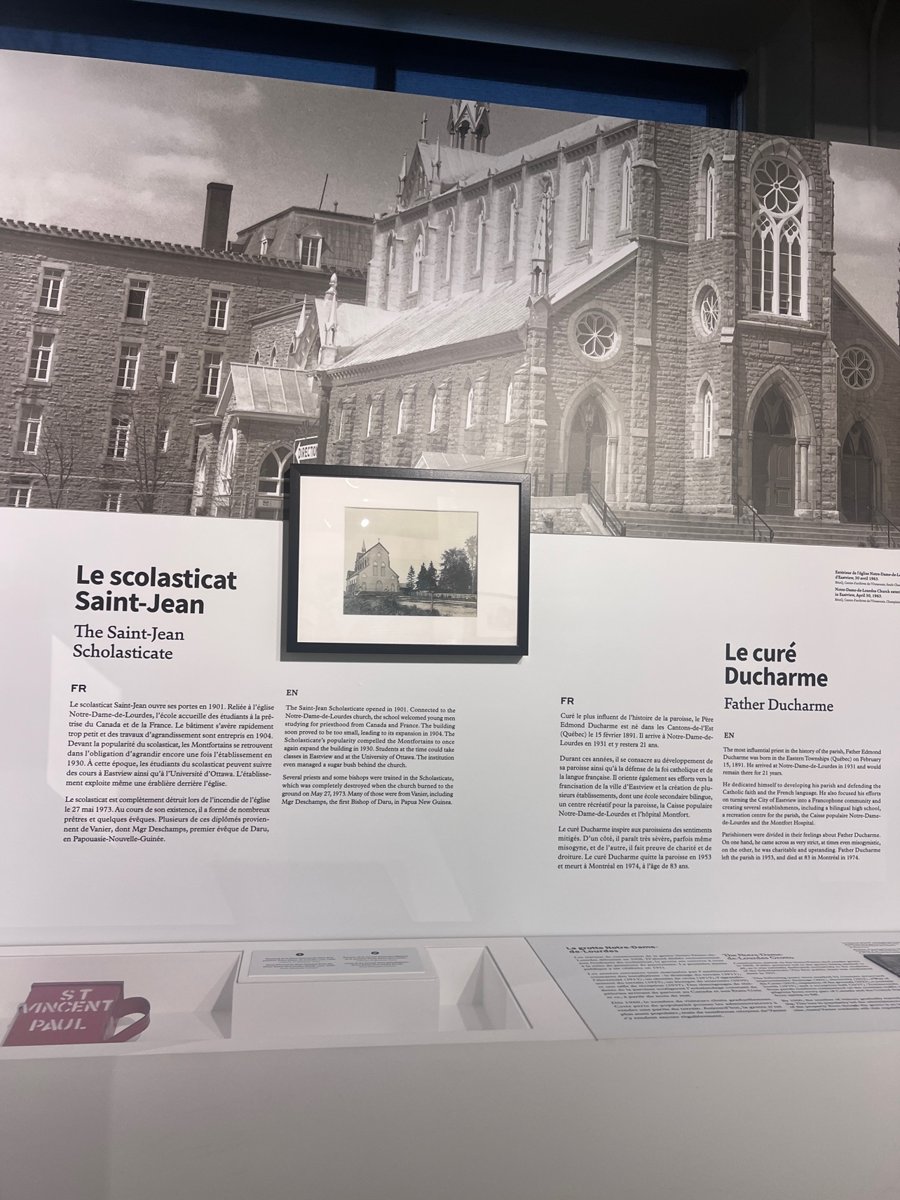
The building in the photo is the Saint-Jean Seminary. It was built by the Order of the White Fathers in the 1920s to train French-speaking priests to preach in Africa. The cross on the gable can be seen from a distance. In the small frame on the right is a picture of Father Ducharme, who taught here for most of his life. The East Coast was a veritable "Church City" back then.
16|1926|The birth of the Order of Jacques Cartier
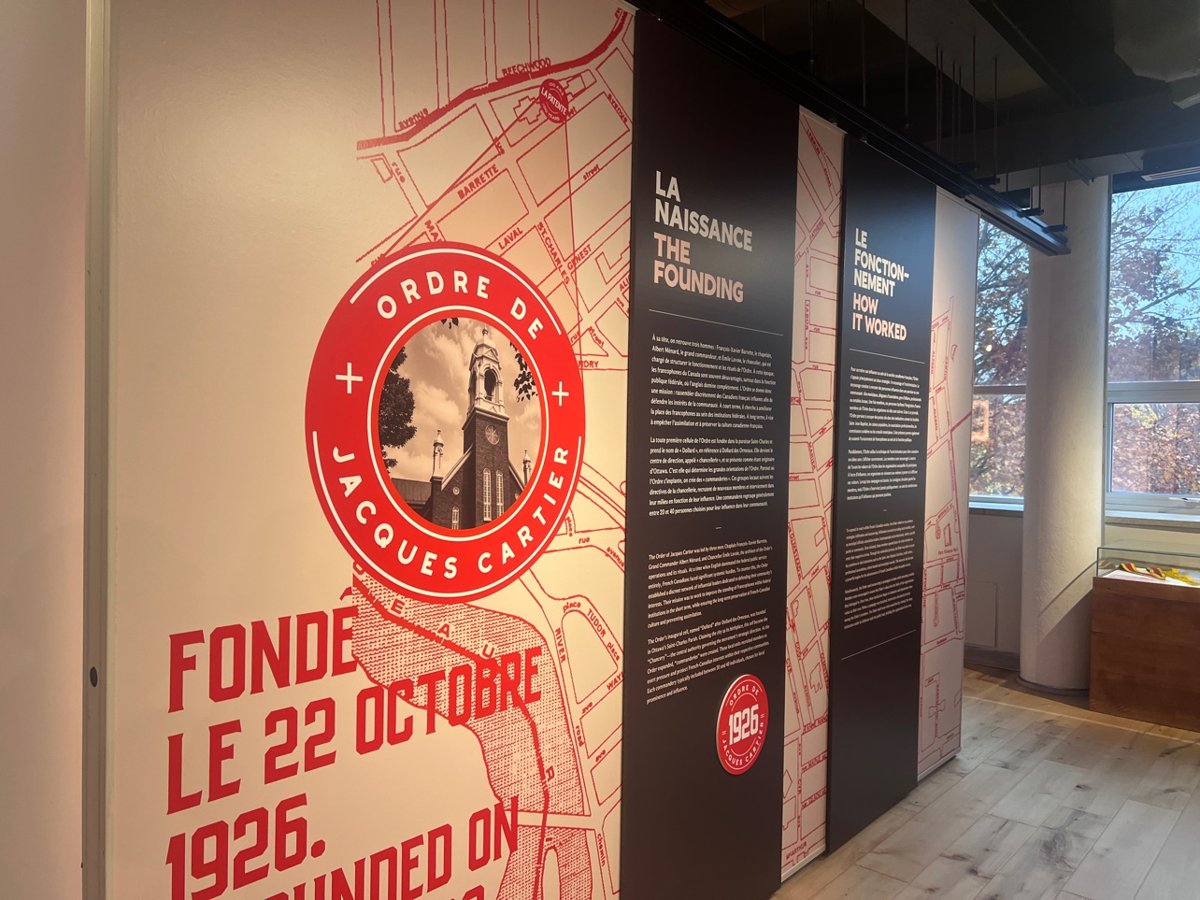
On October 22, 1926, a secret French-speaking mutual aid organization was born in Eastview - the Order of Jacques Cartier, known privately by its members only by the old French word La Patente ("that thing"). In an era when French-speaking residents were oppressed, it quietly connected businessmen, priests, soldiers and politicians into a network with membership oaths and mutual aid networks. This is the theme wall of the museum’s special exhibition.
17|1927|The clock that survived the fire
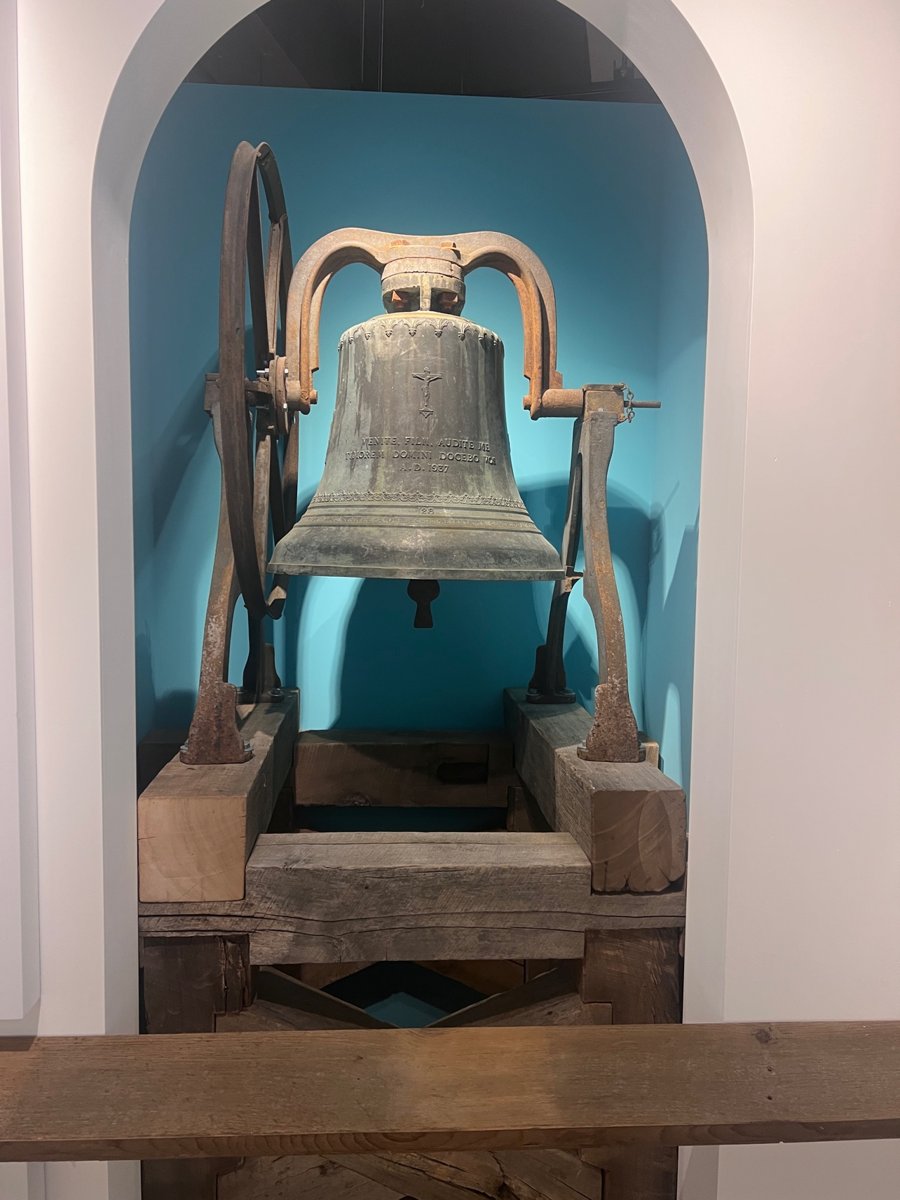
This bell was cast in 1927 and originally hung in the bell tower of the Notre-Dame-de-Lourdes church. In 1973, the church burned down and the entire building was destroyed. However, the five bells miraculously survived and were installed in the rebuilt new church. Standing in front of the one now on display, the nearly century-old smoke and smoke from the bell's body is still there.
18|1930–1965|The era of full expansion of small towns
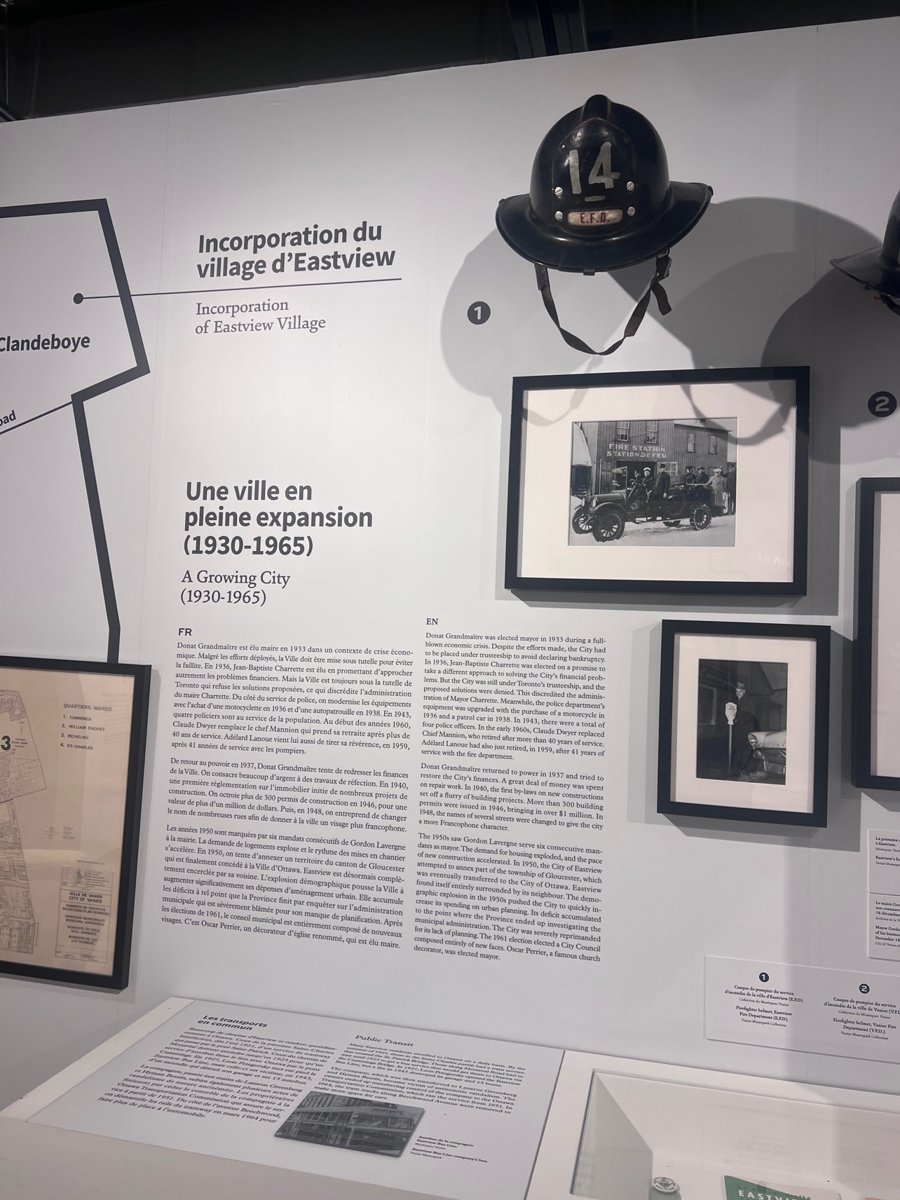
This wall tells the story of Eastview's golden thirty years: the new city hall, the fire station (vintage fire helmets hang on the wall), water and sewer, one new neighborhood after another. The population surged after World War II, and the small town absorbed the surrounding farmland piece by piece. By the 1960s, it was already a decent medium-sized city east of Ottawa.
19|Since 1937|Priests in White
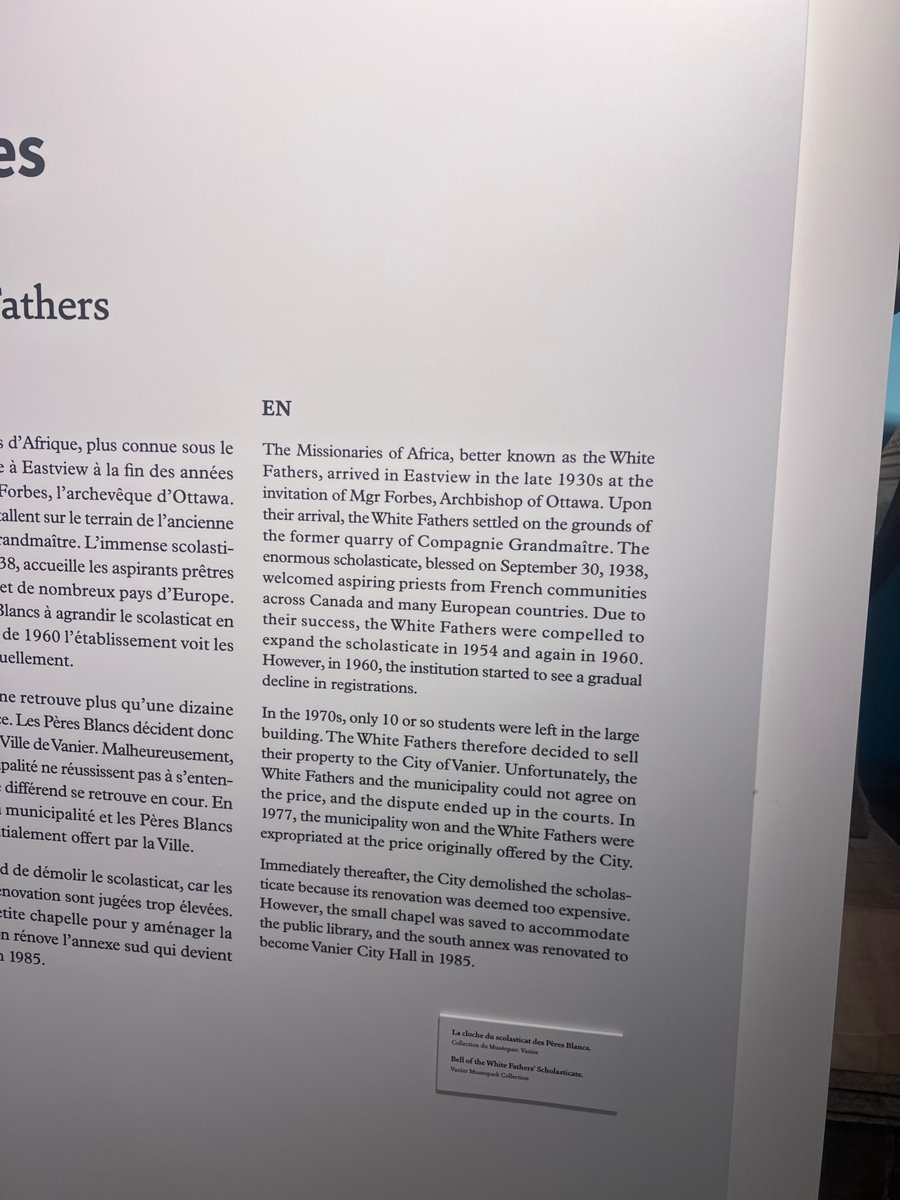
The Order of the White Fathers came to the East Coast at the end of the 19th century. In the 1930s, they built a provincial capital and seminary in Vanier to train French-speaking missionaries and then send them to Africa. They set up printing houses, published journals, and accepted students here. At most, there were hundreds of priests and monks living in Vanier—a community connected to another continent.
20|Mid-20th century|School: nun’s dress
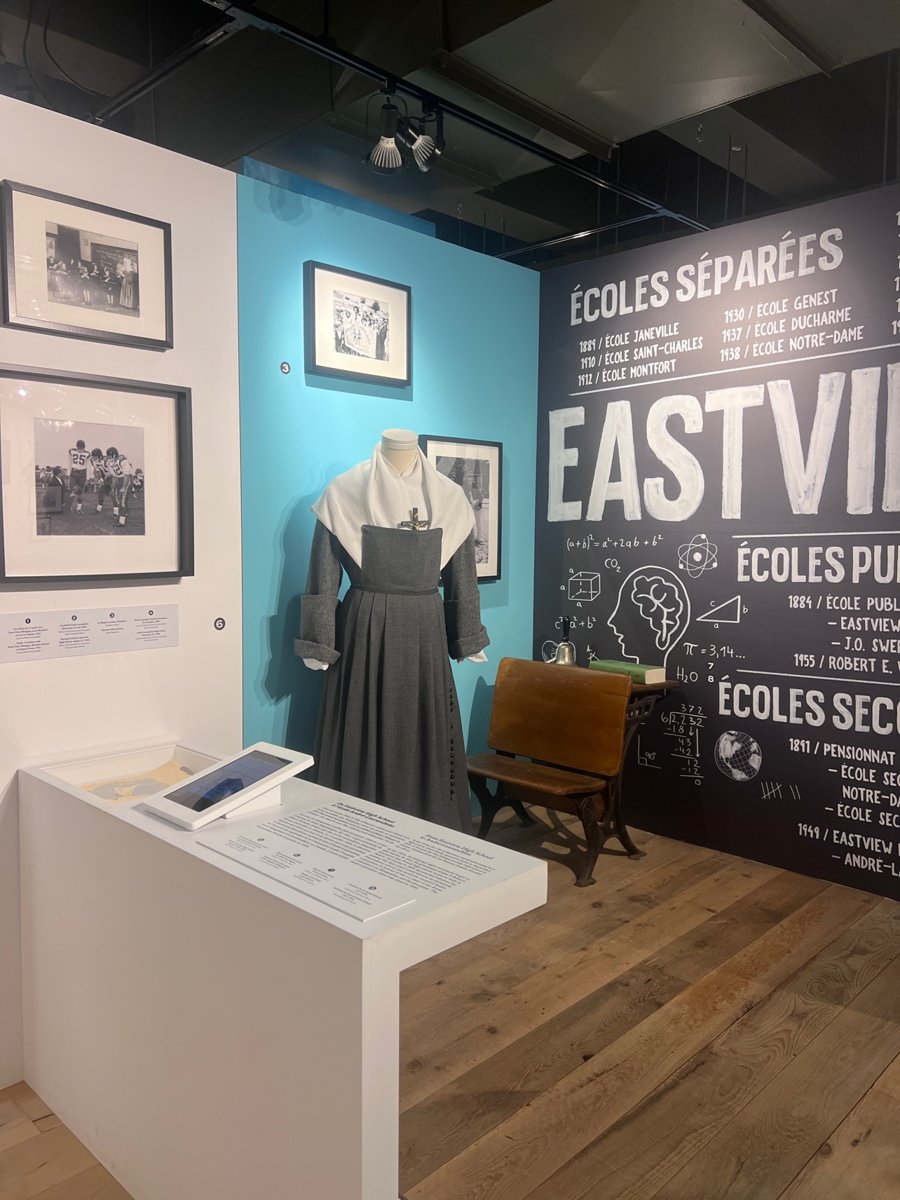
The dark dress in the display cabinet was the attire of a nun who taught at the Eastview French School. The exhibition wall describes the century-old tug-of-war of public schools and French-speaking schools (Écoles séparées): classrooms, textbooks, and teachers were all recovered inch by inch by the French-speaking community. The big words EASTVIEW on the wall are the collective memory of old alumni.
21|1926–1965|The Knights expanded to all of Canada
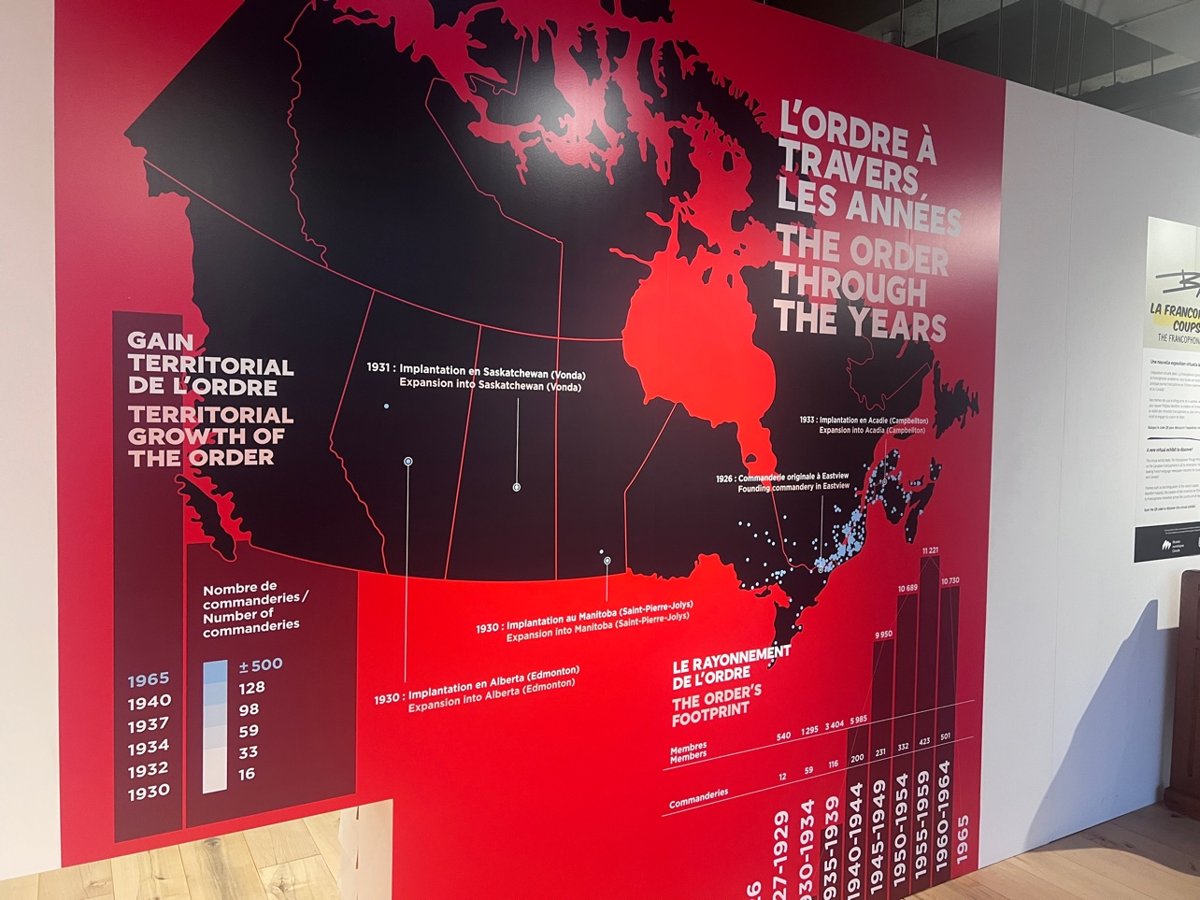
This red and black map of Canada records the spread of the Knights from a stronghold in Eastview to the country: Ontario, Quebec, and Acadia, with members reaching a peak of more than 11,000 in the 1945s. It is rare in Canadian history that a community organization can grow into a national network.
22|Entry Test (Part 1)|Bitterness, Balance and Water
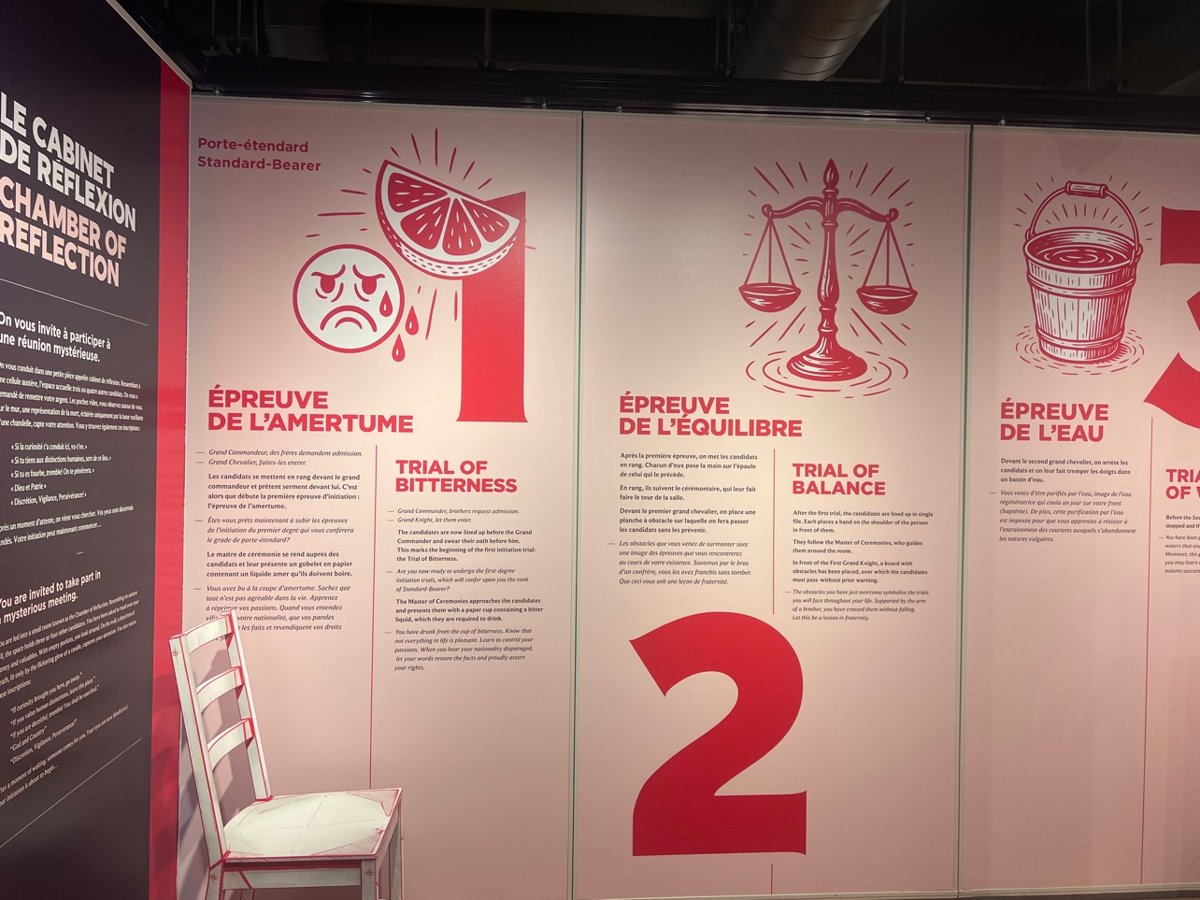
If you want to join the Knights, you must first complete a series of symbolic tests while blindfolded: take a sip of an extremely bitter drink (the bitter taste of life), walk across a shaky plank (to maintain balance), and dip your fingers into the water (the test of water). At every level, there are people who support and people who "trouble" them. The members have kept secret their whole life about what it's like to pass the level.
23|Entry Test (Part 2)|Level 5: Test of Qi
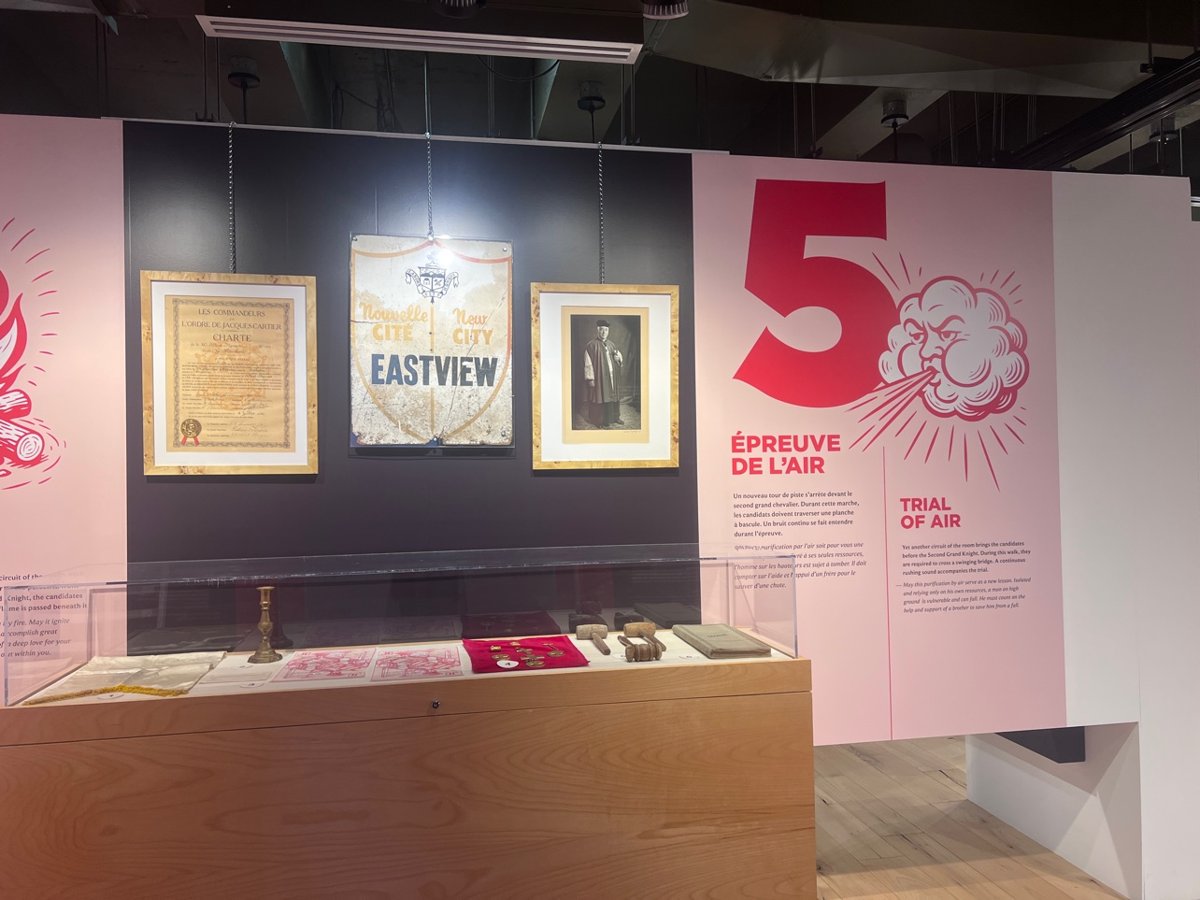
The last level is "Qi": the blindfolded applicant is taken across a creaking bridge, with the sound of wind and water amplifying in his ears, which tests his courage. Hanging in the display case are the old banners and original certificates of the Eastview branch—objects that were so mysterious back then, now lie quietly behind glass.
24|Who are they|Knights member wall
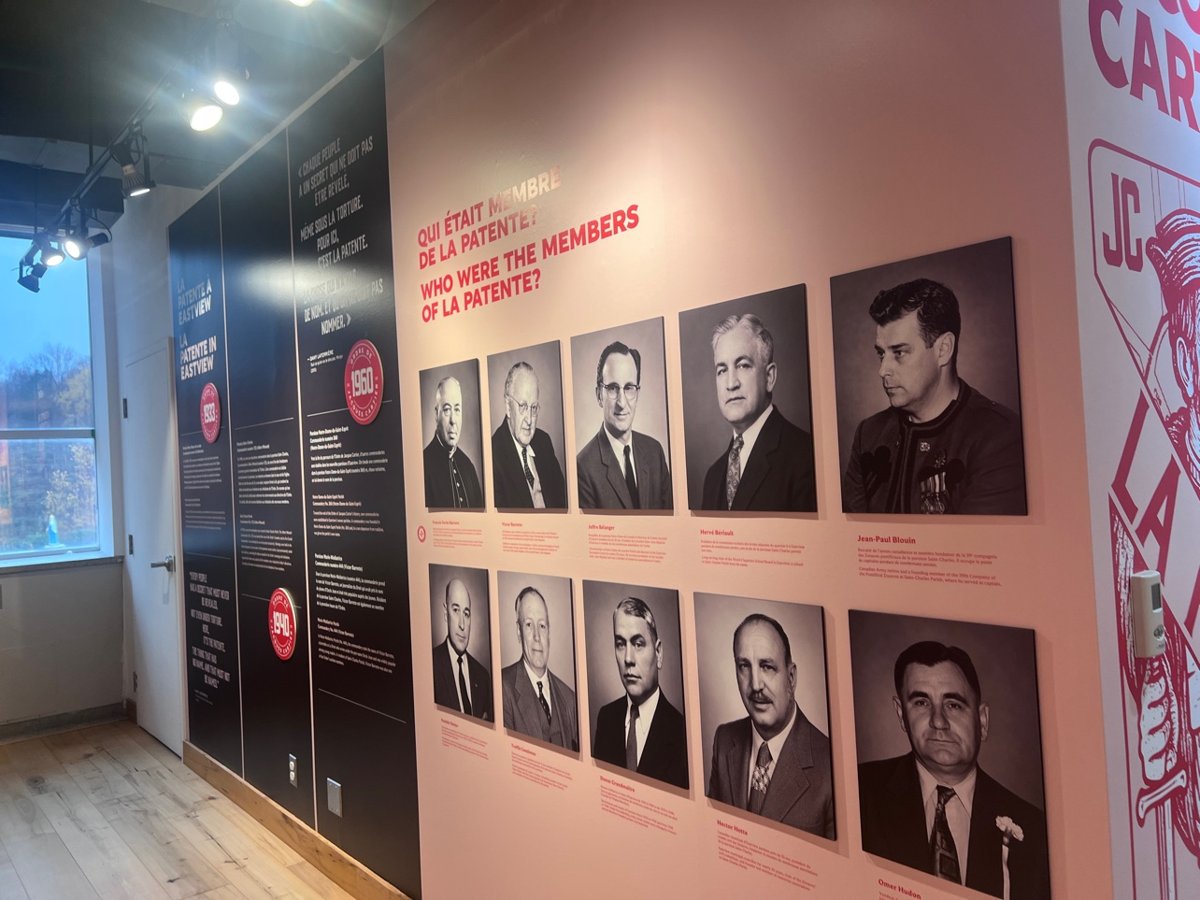
The ten portraits on this wall are members of the Knights who were active in Eastview at that time: priests, businessmen, military officers, and civil servants. They are decent people in the community during the day and treat each other as brothers behind closed doors at night. In that era, this secret network helped many French-speaking residents find jobs, obtain loans, and win lawsuits.
25|Achievements of the Knights|From mutual aid association to behind-the-scenes power
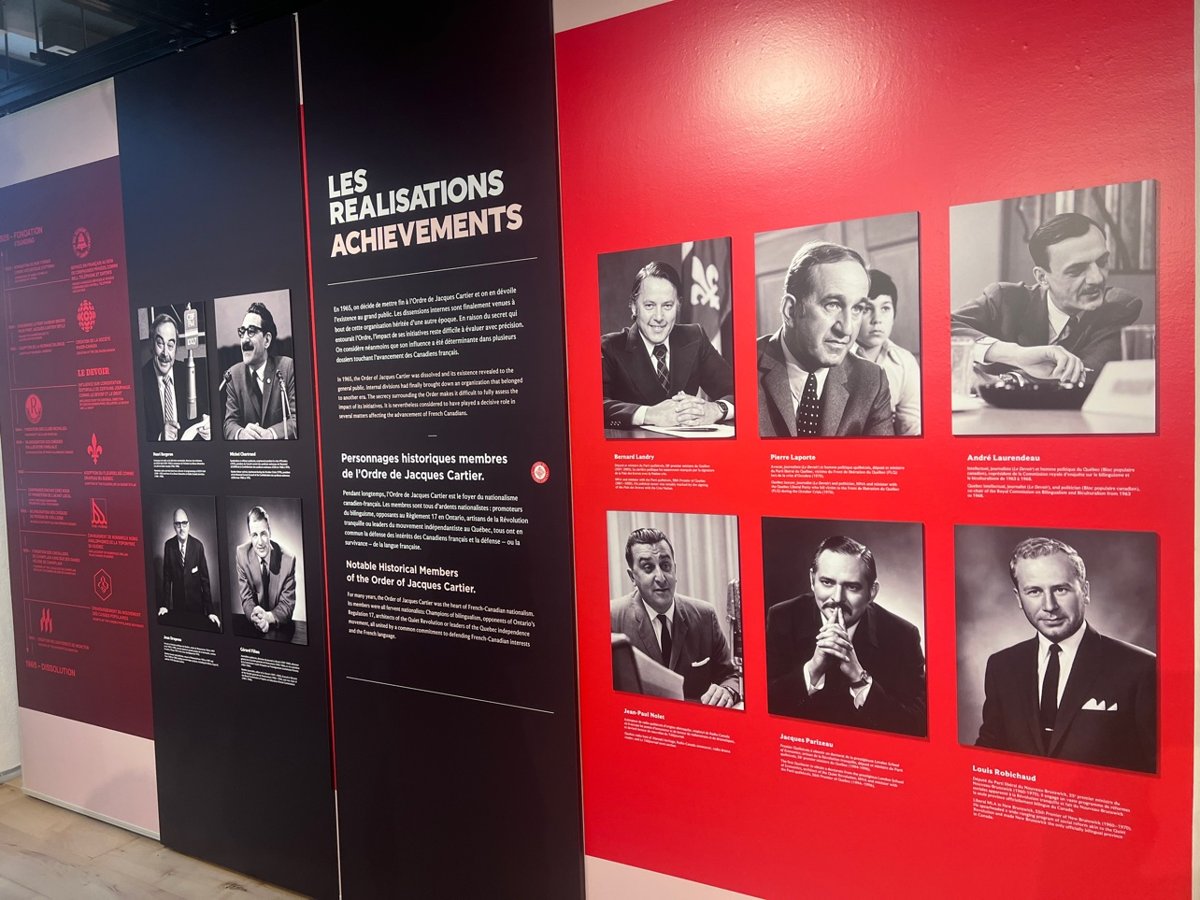
This display board lists the "report card" of the Knights for decades: promoting French schools, supporting French newspapers and credit unions, and sending French Canadians into high-level positions in the government and military. The list of members later included judges, senators and ministerial figures. Whether good or bad, it has indeed changed the fate of many ordinary people.
26|Secrecy and Ending|"Let there be light!"
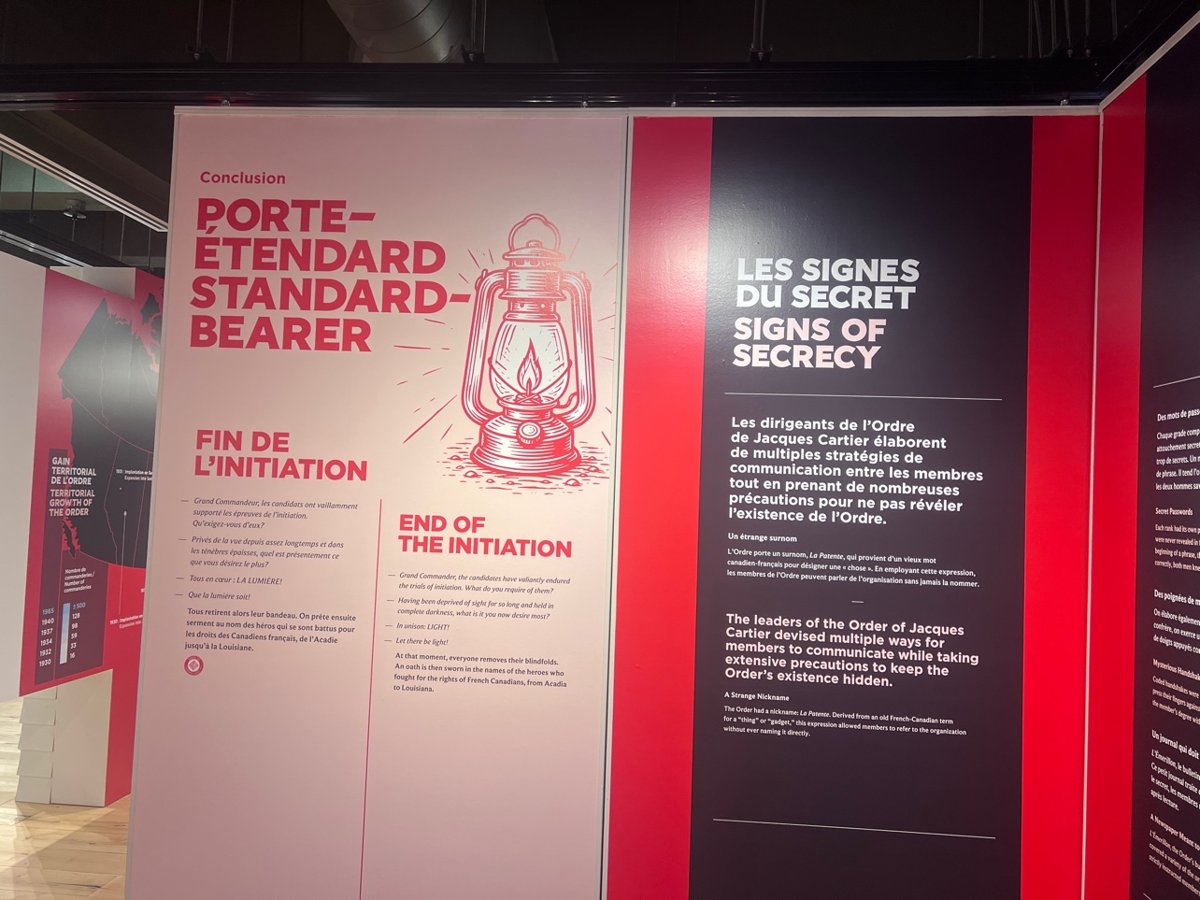
At the end of the initiation ceremony, the blindfolds were removed and everyone shouted "Let there be light!" The new members were sworn to secrecy. The symbol of the Order is a lantern - a ray of light in the darkness. The right side of the exhibition board is dedicated to their secret codes and gestures: some secrets have not been fully disclosed to this day.
27|1965|The End of the Knights
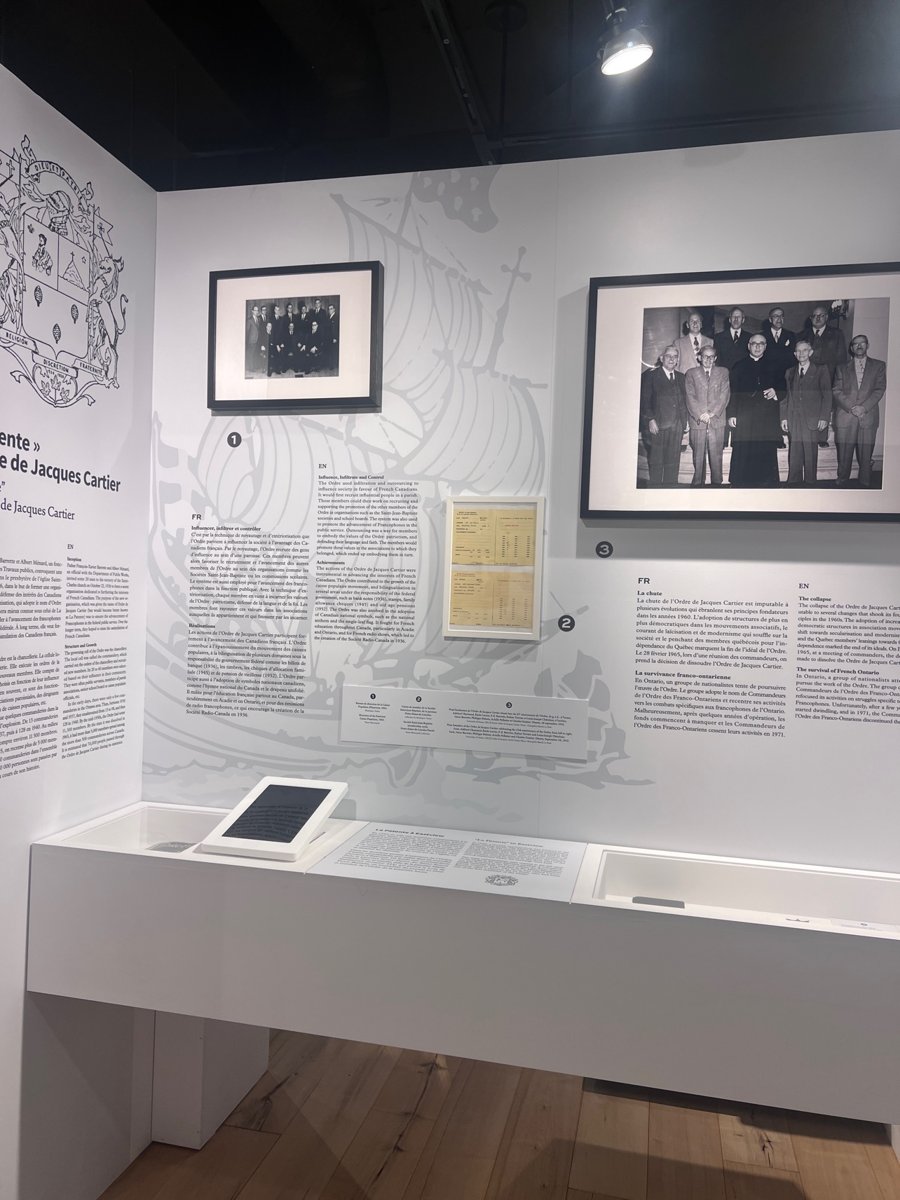
On February 28, 1965, the Order was officially disbanded. Times have changed: French rights began to be protected by laws and government institutions, and secret mutual aid societies completed their historical mission. The exhibits in this cabinet are the documents and photos it left behind - the rise and fall of an organization coincides with the fate of a French-speaking town.
28|1945 onwards|From Les Charlots to St-Charles
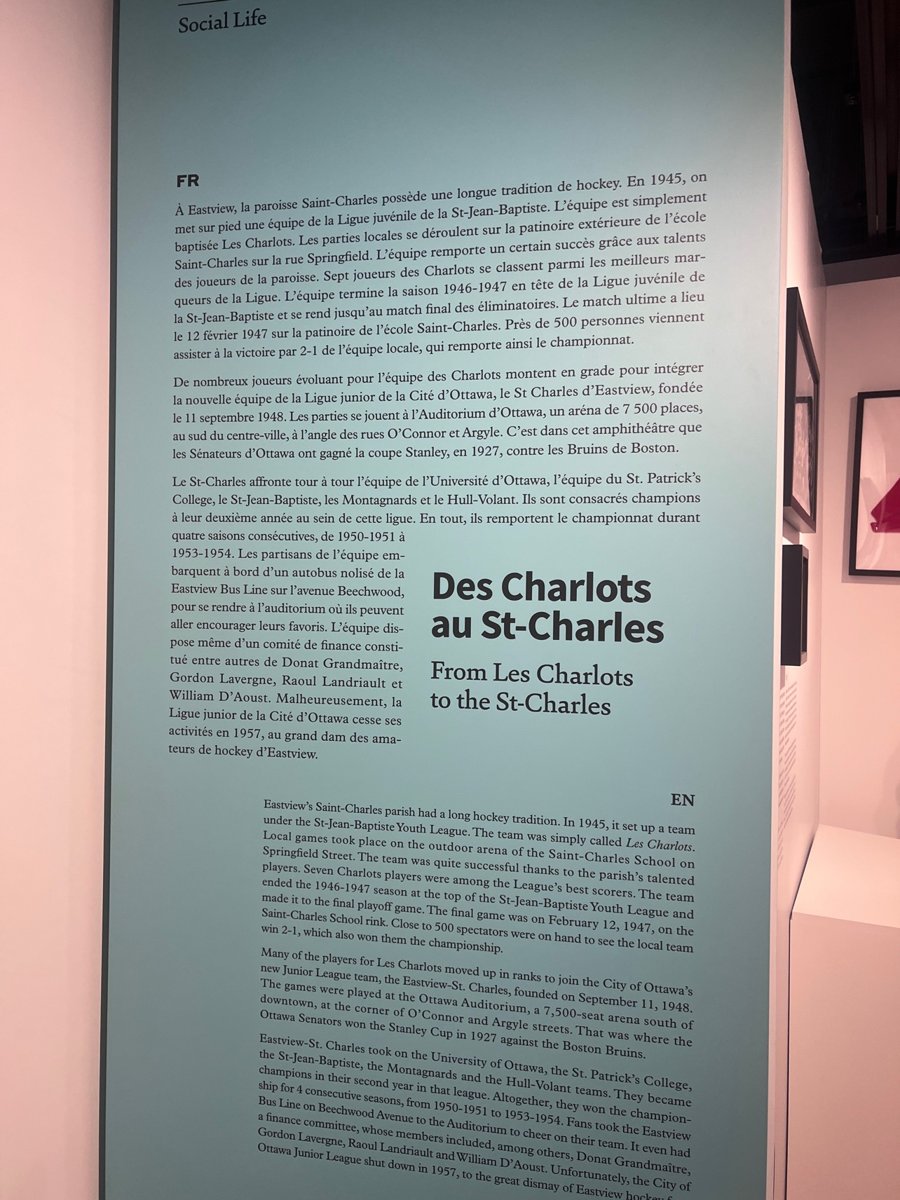
Hockey is the national religion of this small town. In 1945, the St-Charles Parish junior team Les Charlots was formed, and later developed into the St-Charles team, which was invincible in the Ottawa Youth Hockey League. The densely packed words on the display board are the common memories of winter for generations of Vanier children.
29|1950–1954|Four consecutive championship jerseys and snowman heads
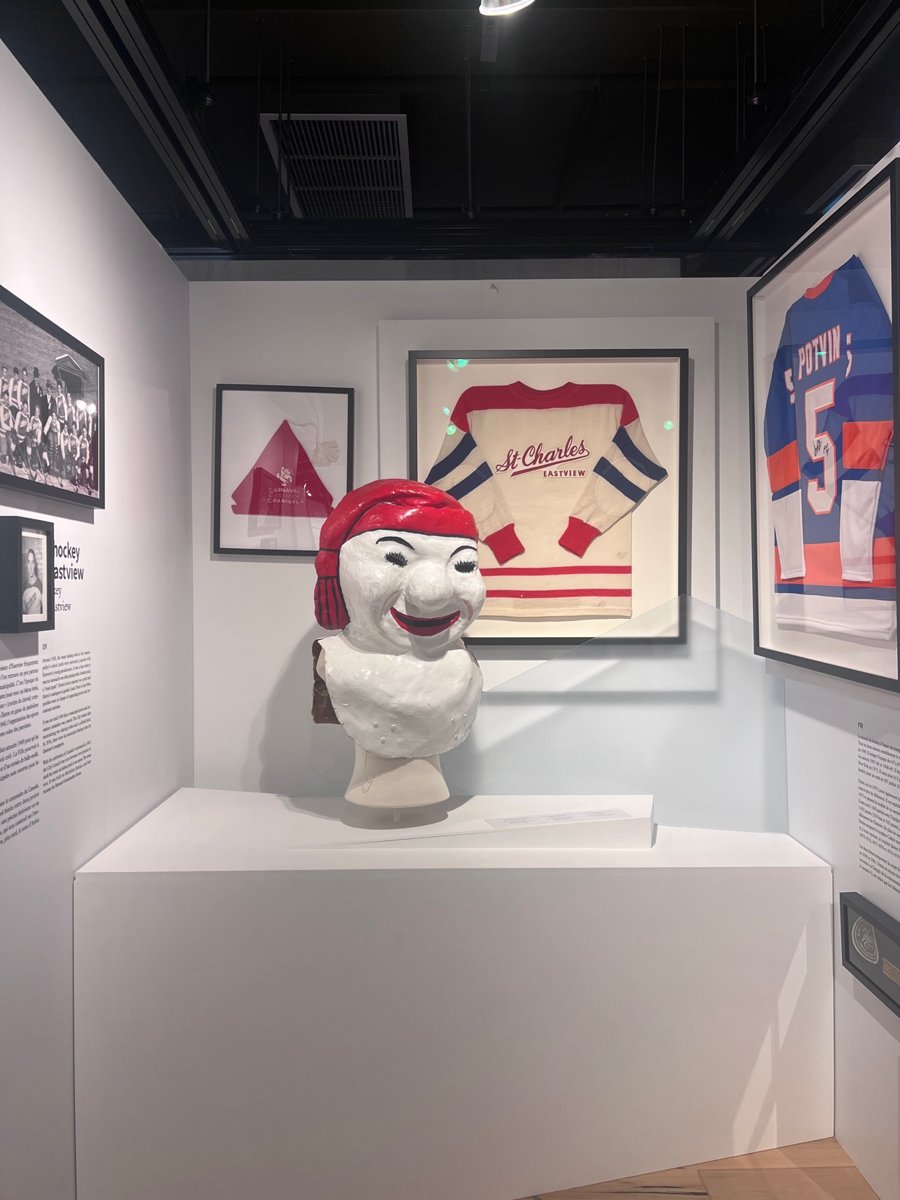
The St-Charles jersey and the grinning snowman head in the display case are witnesses of the team's four consecutive championship years from 1950 to 1954. During home games that year, people from all over the town crowded into the open-air rink, and the cheers in French could be heard across several streets. Playing ice hockey well is a small town's strongest draw.
30|Mid-20th century|Papal Light Infantry and Girl Guides
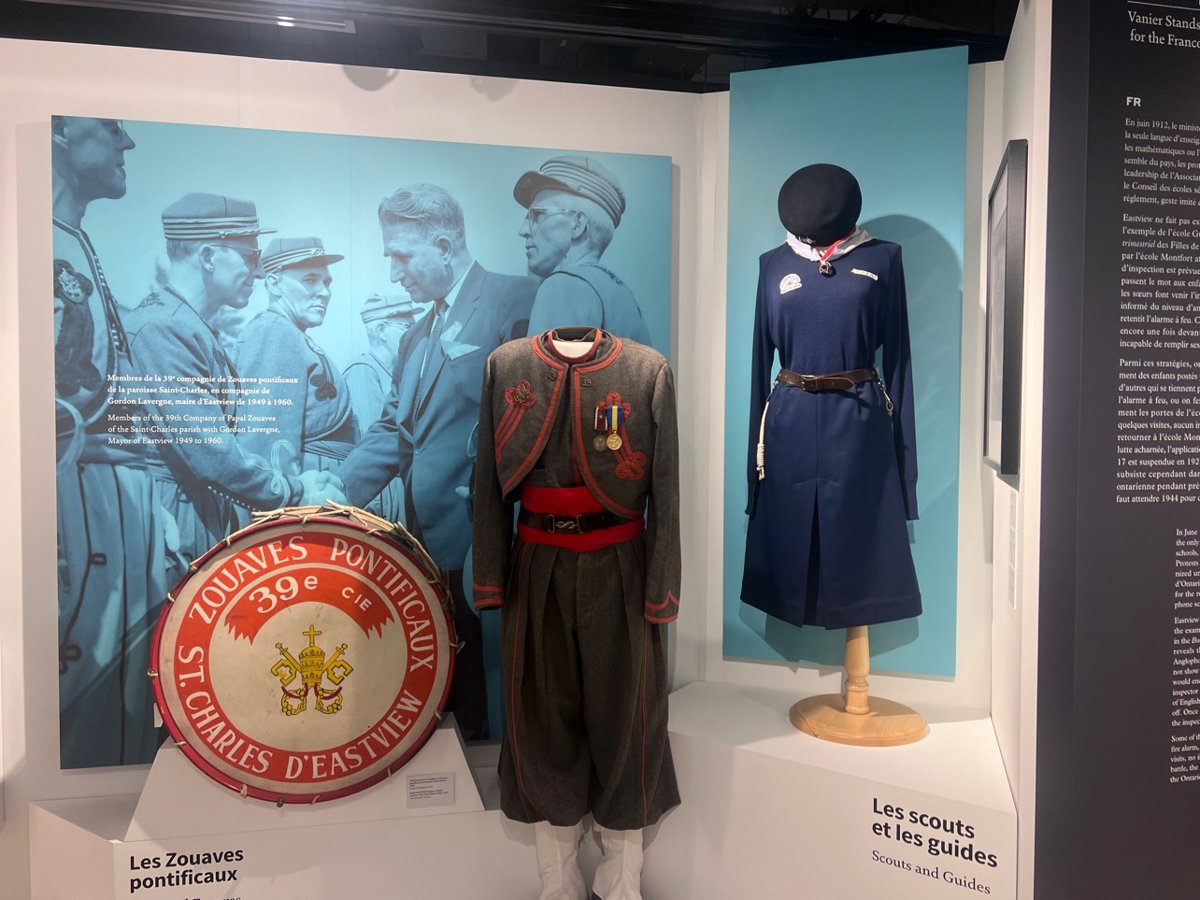
This large drum belongs to the Papal Light Infantry Company of St-Charles Parish - the parish's own guard of honor. It is beaten to clear the way during festival parades. The words on the drum are "St-Charles d'Eastview Company 39". The military uniform next to it is the light infantry uniform, and the dark blue dress is the Girl Guide uniform. In those days, community life was made up of these teams.
31|1959–1969|Vanier, the man, and a mayor’s chair
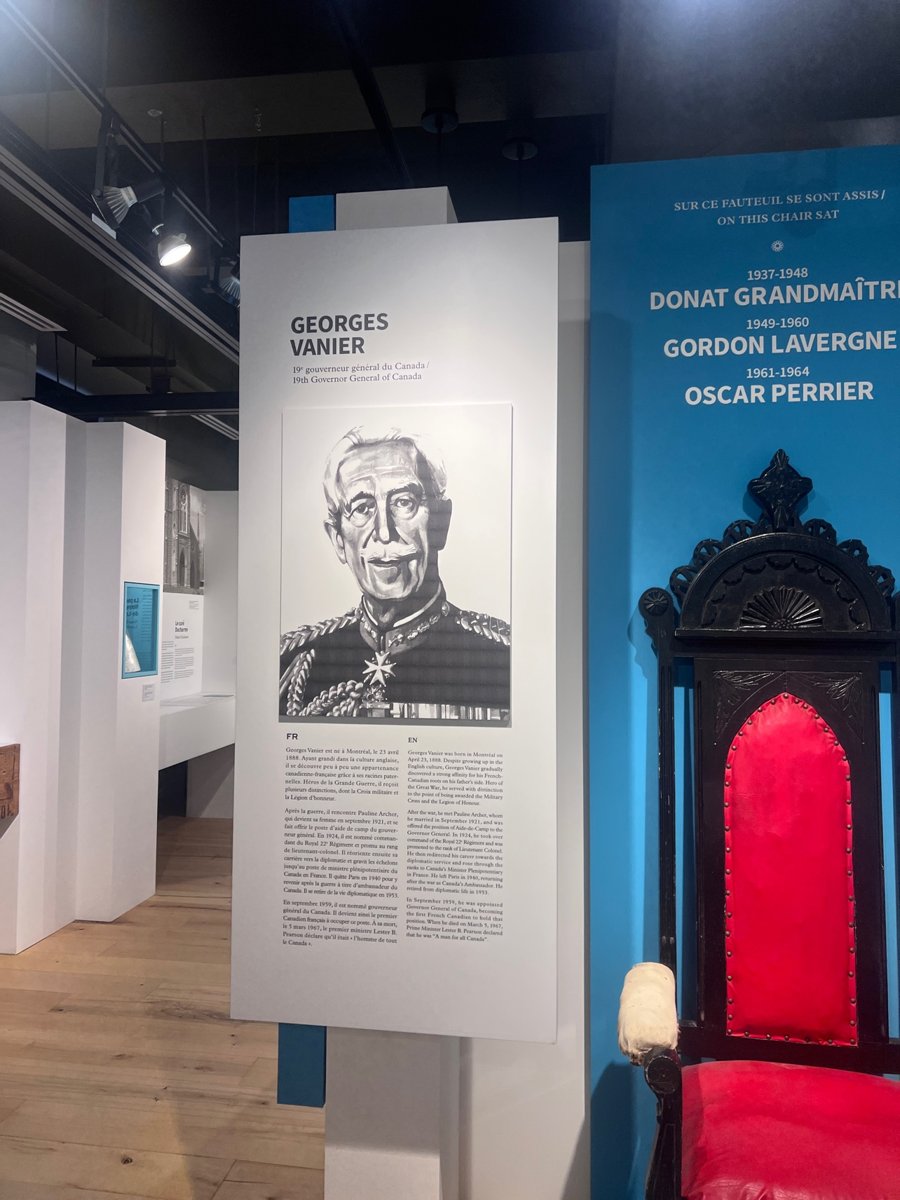
Georges Vanier: Soldier, diplomat, became Governor General of Canada in 1959, the first French Governor General. He died in office in 1967, and Eastview was renamed Vanier in 1969 in his honor. The high-backed red chair next to it is the conference chair where three mayors sat from 1937 to 1964. The three names above the display board, Donat Grandmaître, Gordon Laverge, and Oscar Perrier, are all leaders of this small town.
32|1986|Grandmaître "Father of Bill 8"
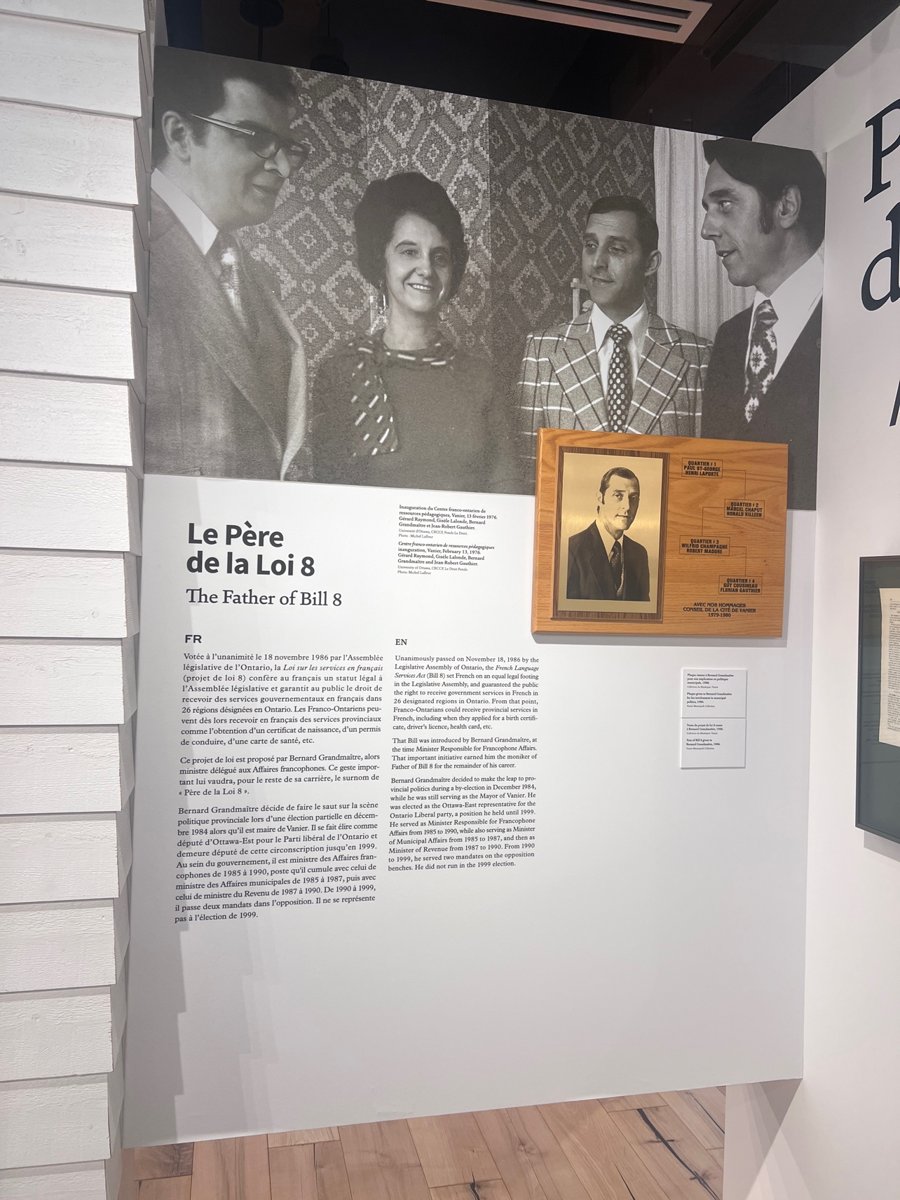
Bernard Grandmaître, who served as mayor of Vanier and later became an Ontario provincial councilor and minister. In 1986, the French Language Services Act (Bill No. 8) promoted by him was unanimously passed by the provincial parliament: from then on, in the French-speaking areas of Ontario, birth certificates, driver's licenses, and health cards can all be issued in French. A mayor of Vanier secured legal rights for the province's French-speaking residents.
33|1997|SOS Montfort: saving the only French-speaking hospital
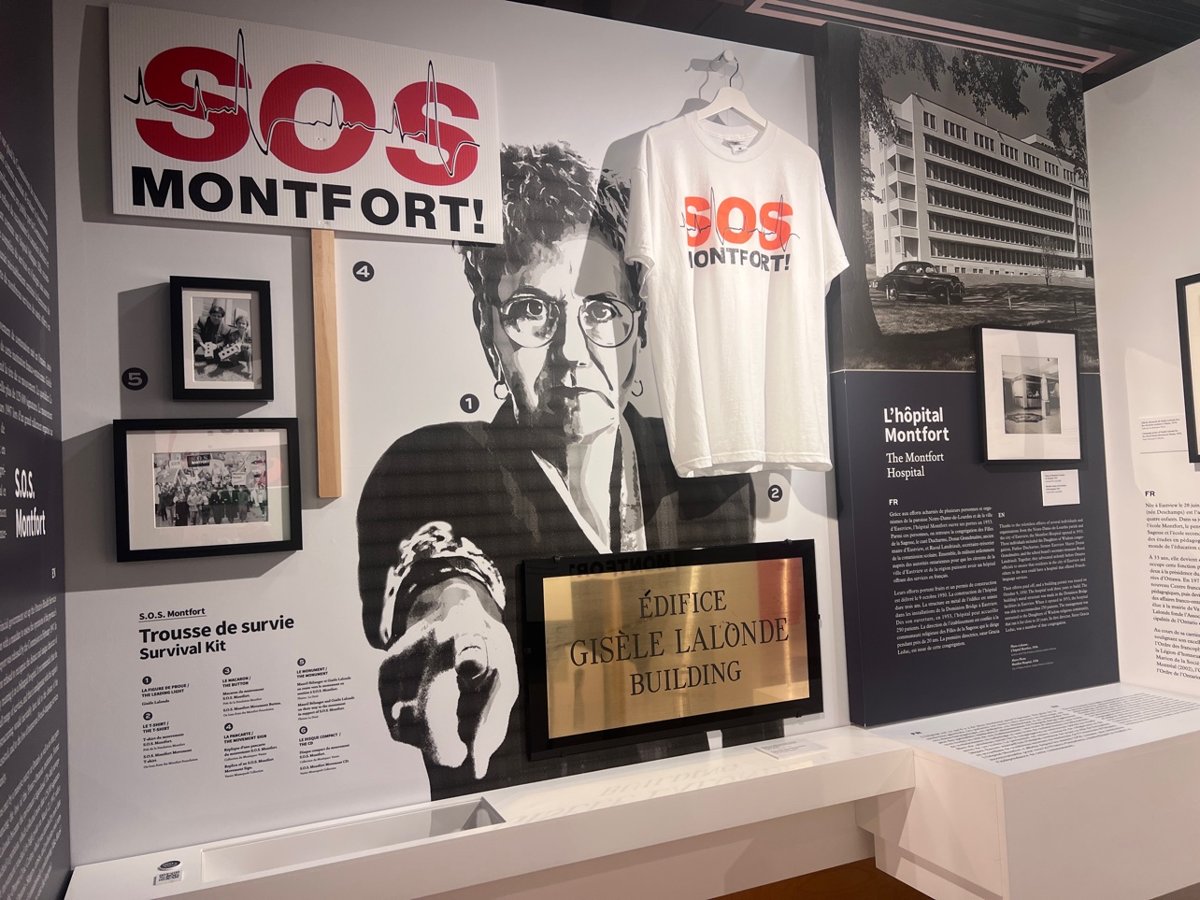
In 1997, the Ontario government planned to close Montfort, Ottawa's only French-language teaching hospital. Retired principal Gisèle Lalonde stepped forward to lead the SOS Montfort struggle. Tens of thousands of people took to the streets, and the lawsuit went to the Court of Appeal. In the end, the hospital was saved and doubled in size. The photo of her pointing her finger on the display board has become the most famous face among French-speaking Ontario residents, and the hospital building is now named after her.
34|Today|Marier Avenue: the new face of the old street
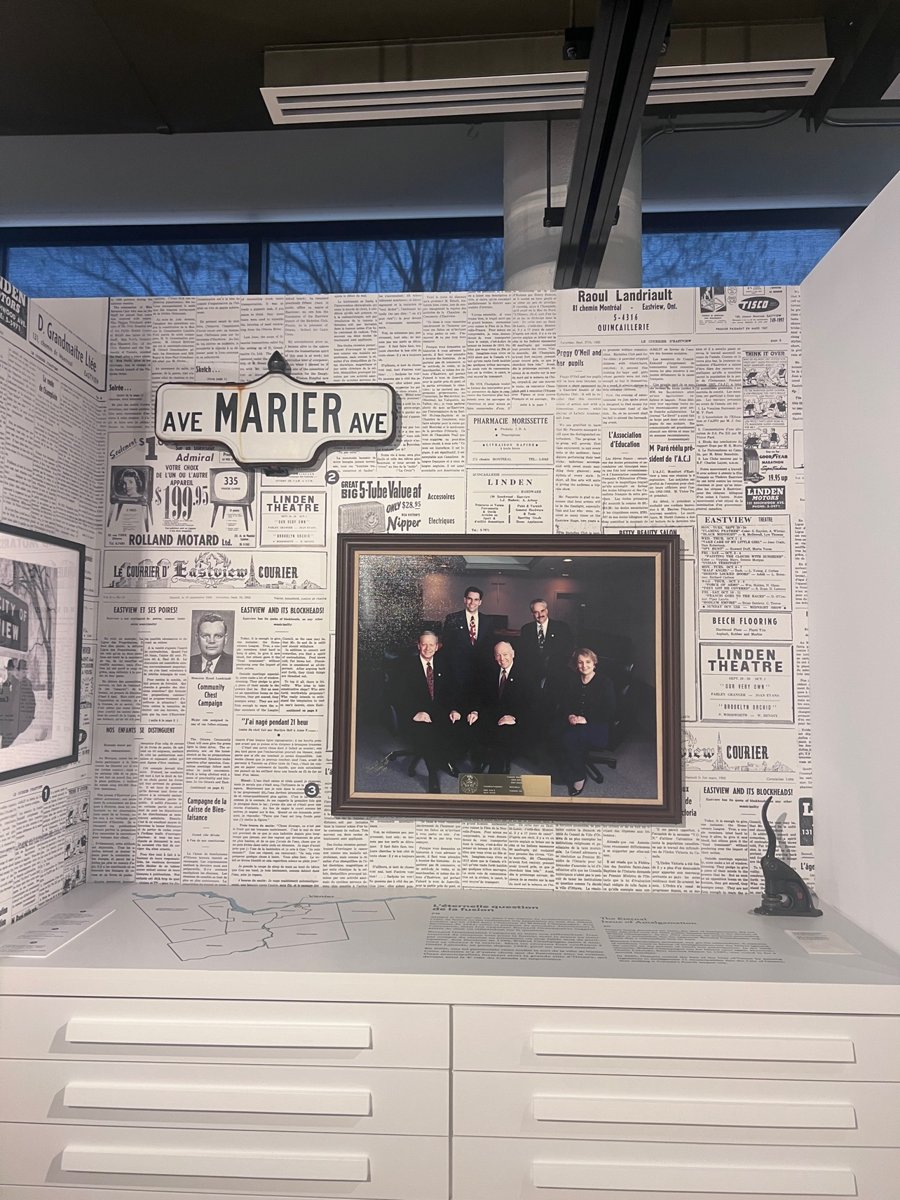
This exhibition wall is collaged with old newspapers, with a Marier Avenue street sign and an old photo. Marier is one of the oldest streets in Vanier and has been inhabited by successive generations. When you walk on it today, you will see century-old houses on one side and newly opened cafes on the other - this street is a microcosm of the entire community.
35|1970s to present|Vanier in Changing Faces
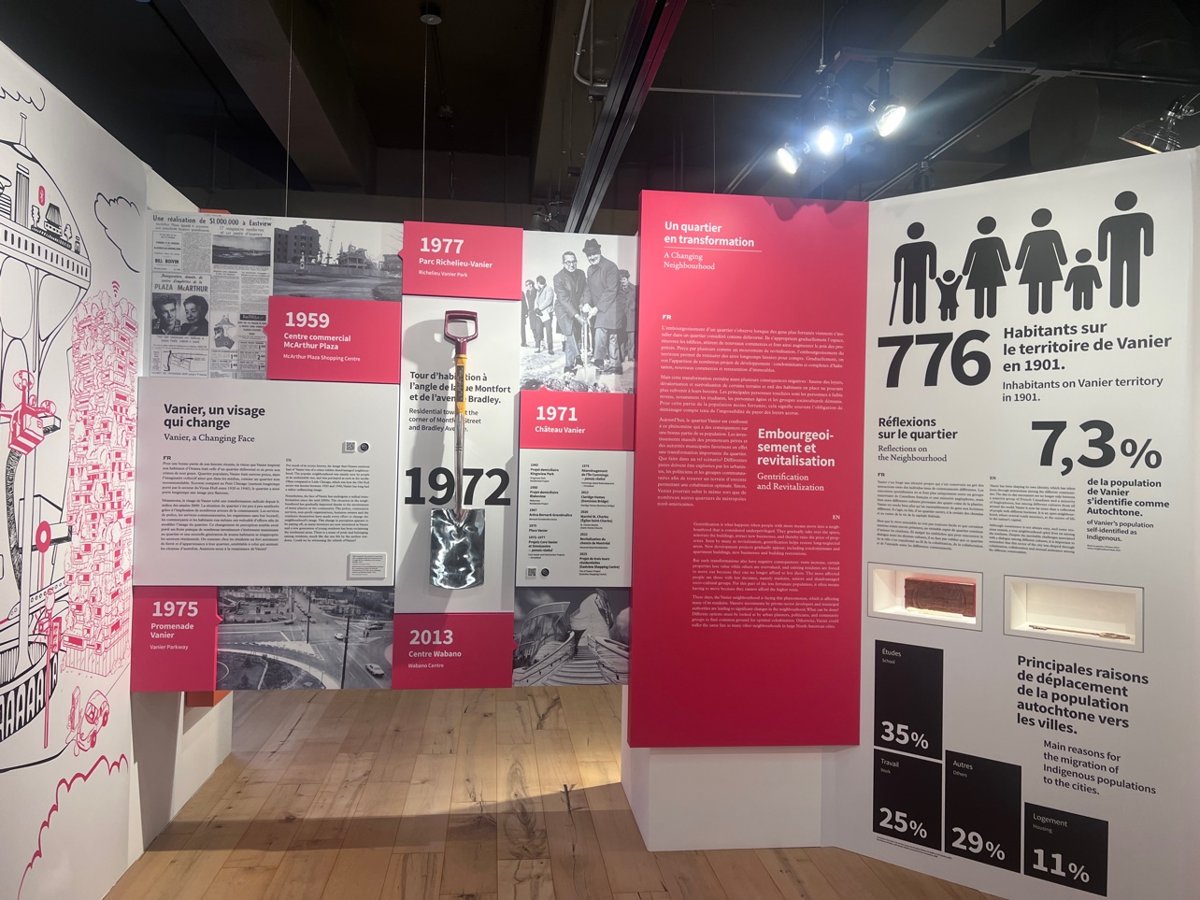
The last data wall is about Vanier since the 1970s: the demographic structure is changing, the proportion of French-speaking residents is declining, new immigrants are constantly moving in, house prices and rents are rising, and old residents are worried about being squeezed out by "gentrification." Comparing the diagrams on the display board with the old photos, the present continuous tense of a community is all written on this wall. Two hundred years later, Vanier’s story continues – and I live in this story, driving through the streets that pass these panels every day.
Visit information
Muséoparc Vanier (Vanier Museum)
Address: 300 des Pères-Blancs Ave, 2nd floor (inside the Richelieu-Vanier Community Centre), Ottawa, ON K1L 7L5
Opening hours: Tuesday to Saturday 10:00–16:00; closed on Sundays, Mondays and public holidays
Tickets: $4.99 CAD
Phone: 613-842-9871
Official website: museoparc.ca
(The photos in this issue were taken at the Muséoparc Vanier Museum, and the content on the display panels was curated by the museum; the text was dictated and organized by Yang.)