 N環球

Samsung Raises 2026 Chip Spending to a Record $63 Billion as 2027 HBM Supply Sells Out
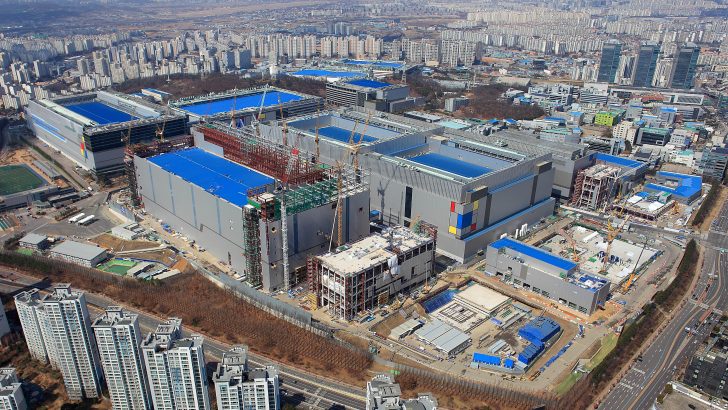
Samsung Electronics raised its 2026 capital spending guidance to 84.4 trillion won (about $63.2 billion) on its third-quarter earnings call on October 29, with 76.8 trillion won for semiconductors; the company said its 2027 HBM supply is already sold out and warned the chip shortage will deepen next year. This is new guidance from the earnings call, not covered in yesterday's quarterly results report.
Samsung Electronics announced on its third-quarter earnings call on October 29 that it has raised its full-year 2026 capital spending guidance to 84.4 trillion won (about $63.2 billion), up 31.7 trillion won from last year. The semiconductor division, Device Solutions, accounts for 76.8 trillion won, and displays for 3.9 trillion won. In the third quarter alone, capital spending reached 29 trillion won, including 27.2 trillion won for semiconductors.
The numbers
The spending increase follows a record third quarter: revenue of 195.3 trillion won and operating profit of 107.4 trillion won, both company records (reported here yesterday). The semiconductor division contributed 106.5 trillion won of operating profit, and memory revenue surged 427 percent year over year to 140.7 trillion won. The driver is demand for high-bandwidth memory (HBM) and server memory from AI infrastructure investment.
HBM4 is about 60% of HBM revenue, and 2027 supply is sold out
Samsung said its newest generation, HBM4, accounted for about 60 percent of its HBM revenue in the third quarter, meeting its market-share target ahead of schedule. The more telling line from the call: negotiations for 2027 HBM supply are complete, at prices reflecting product competitiveness, and volumes are already sold out, with major customers still asking for more. The company has signed long-term memory supply agreements with 10 major customers and is negotiating with 10 more, aiming for long-term contracts to cover 60 to 70 percent of production capacity by 2030.
Where the money goes: advanced nodes and the Texas fab
Samsung said investment priorities include upgrading fabrication plants, expanding AI infrastructure, and its foundry plant in Taylor, Texas, which is set to begin mass production of 2-nanometre chips for AI and high-performance computing customers in 2027. The company is also reviewing additional fabs in the United States and South Korea as advanced-node capacity fails to keep pace with demand. It expects the memory supply-demand gap to widen next year, with shortages potentially persisting into 2028.
Market reaction: record results, falling shares
Despite the record quarter, Samsung shares fell more than 5 percent intraday on October 29. Market reports point to investor focus on shareholder returns — Samsung reaffirmed it will return 90 trillion to 110 trillion won to shareholders for 2026, but details will not be finalized until early 2027 — and on whether returns on AI infrastructure spending can last. For the industry, the spending hike itself is the signal: the largest chipmaker judges that AI memory demand will outrun capacity for the foreseeable future.
💬 Comments
No comments yet. Be the first!