 N環球

UC San Diego and Qualcomm launch $750,000 research into AI-assisted chip design
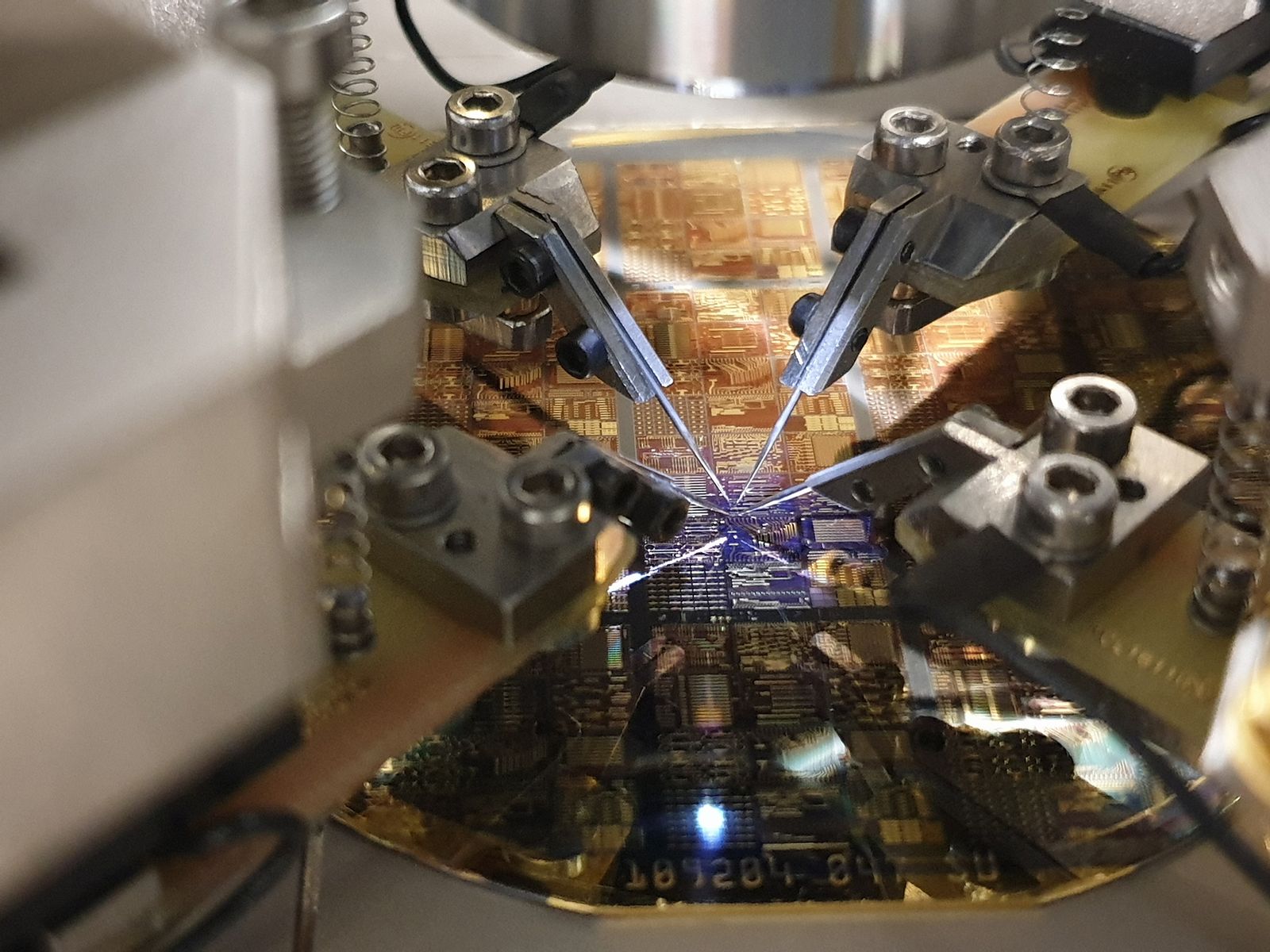
UC San Diego and Qualcomm Technologies have launched AI in Microelectronic Systems, a research initiative exploring how AI can cut chip design costs and improve energy efficiency.
The University of California San Diego announced on November 2 a research initiative with Qualcomm Technologies, called AI in Microelectronic Systems (AIMS), backed by $750,000, to explore how artificial intelligence can help design chips and computing systems, with lower design costs and better energy efficiency as its goals. (Photo: file image of a semiconductor chip, not a product of this programme.)
How the $750,000 is funded, with no deliverables required
Under the arrangement announced by the university, Qualcomm is giving $500,000 to UC San Diego's Halıcıoğlu School of Data Science and Computing, which is adding $250,000 in matching funds. The university says Qualcomm's contribution carries no requirements for research deliverables, services or reporting. Participants include UC San Diego professor Yusu Wang and Associate Dean Jinendra Ranka, alongside Qualcomm researchers, drawing on the Halıcıoğlu School and the San Diego Supercomputer Center across machine learning, computer architecture, high-performance computing and semiconductor design.
Chip design still relies mainly on manual work; AI would explore architectures and predict performance
The university says chip design still relies primarily on manual creation, even as its expense grows. AIMS will investigate systems-on-chips: integrated circuits that combine multiple computing components in one device. The proposed role for AI is to explore possible architectures, predict how they will perform and identify promising design choices. The university describes the hardware as relevant to mobile devices, autonomous systems, cloud computing and large-scale AI, but for now AIMS is a commitment to investigate new design methods, not a completed chip or a measured efficiency gain.
Source: UC San Diego announcement, November 2, 2026, via Superpower Daily.
💬 Comments
No comments yet. Be the first!