 N環球

Bank of Canada raises rate to 2.5% in first hike since July 2023, putting inflation ahead of growth worries
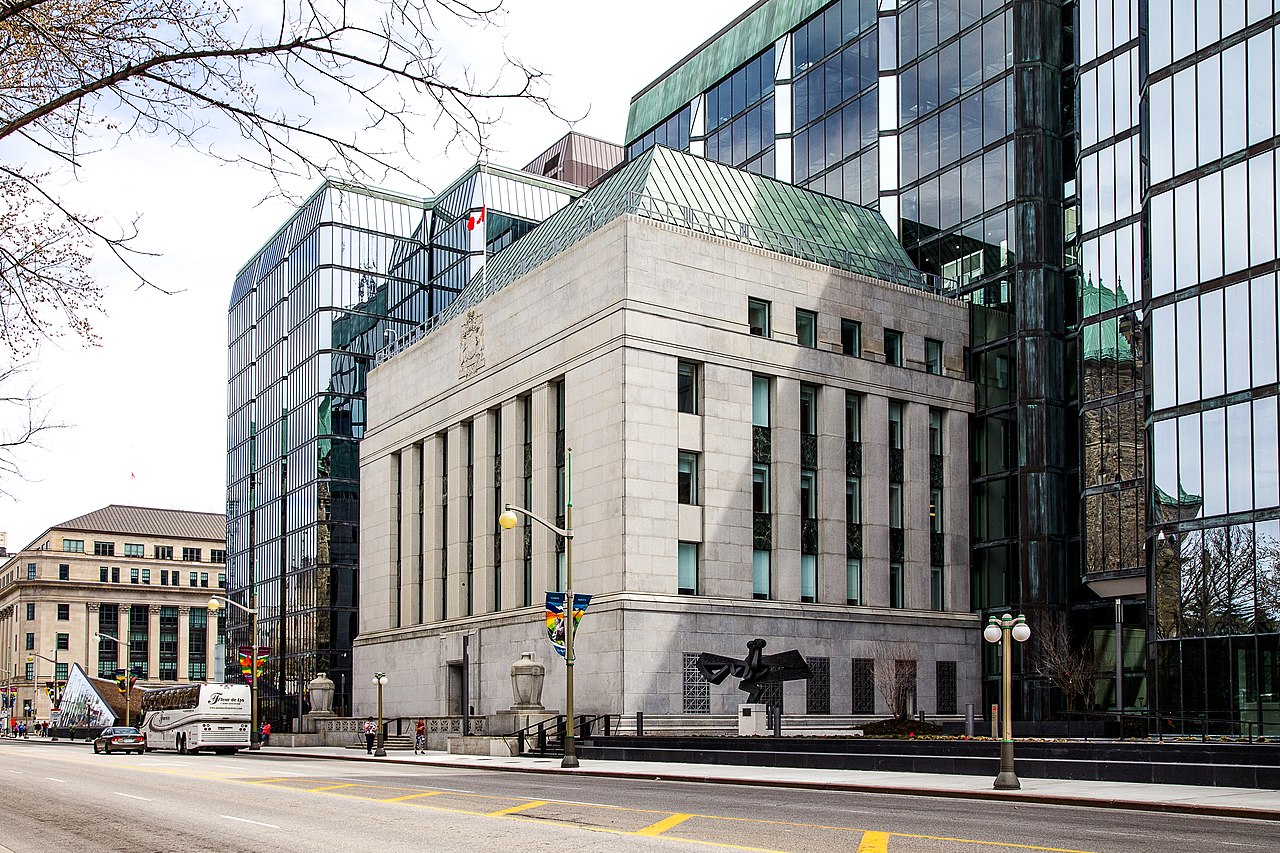
The Bank of Canada raised its overnight rate by 25 basis points to 2.5% on October 28, its first increase since July 2023, citing the risk that energy-driven inflation spreads more broadly through the economy.
The Bank of Canada announced on October 28 that it has raised its target for the overnight rate by 25 basis points to 2.5%, with the Bank Rate at 2.75% and the deposit rate at 2.45%. It is the central bank's first rate increase since July 2023 and its first policy change in almost a year, marking a turn in the direction of Canadian monetary policy.
Inflation drove the decision
In its statement, the Bank said consumer price index inflation has been around 3% since April, reaching 3.1% year over year in September, above its 2% target. Persistently high oil prices are the main driver: the Bank expects inflation to rise to about 3.5% by the end of the year, average 3% in 2027, and return to 2% only in mid-2028.
The Bank drew a distinction between headline inflation and underlying trends. Excluding gasoline, inflation was 2.2% in September, and measures of core inflation remain close to 2%. Its concern is not the energy price rise itself but whether it spreads: businesses have mostly absorbed higher input costs so far, the statement said, but Bank surveys suggest cost pass-through will increase over the next year, while high fuel prices are raising production and transportation costs and imported industrial and electronics input prices have also risen.
The market expected it, but not unanimously
A Reuters poll of 34 economists conducted October 21 to 23 found 19 expecting a 25-basis-point hike, a bare majority; most also forecast one more increase before March. In the days before the decision, markets and analysts had speculated intensely over the call, and Governor Tiff Macklem's remarks at International Monetary Fund meetings earlier in October, signalling wariness about sustained higher crude prices, were read as a warning that the Bank's patience was wearing thin.
Growth is holding up, but tariffs and housing drag
The Bank's growth outlook is somewhat stronger than in July: it projects the economy will grow 1% in 2026 and 2% in both 2027 and 2028, with business investment, exports and fiscal measures driving the 2027 rebound. At the same time, it expects new US tariffs to slow activity in the fourth quarter, housing to remain relatively weak, consumption growth to moderate, and unemployment, which has held around 6.5% for several months, to remain a watch item.
Faced with both growth risks and inflation risks, the Bank chose to act on inflation this time. Its statement said there could be a need to increase the policy rate further, but given uncertainties, Governing Council agreed to proceed carefully. No path of consecutive hikes was promised; the next step was left to the data.
What it means for households and borrowers
Lenders are expected to raise their prime rates following the decision, according to reporting on the announcement. That would increase payments for adjustable-rate mortgage borrowers and interest costs for those with fixed-payment variable mortgages and home equity lines of credit. For households carrying a mortgage or drawing on a credit line, the effect of this hike will show up over the next payment cycles.
What to watch next
The Bank's next scheduled rate announcement is December 9. Before then, three questions will matter: whether energy prices keep pushing headline inflation higher, whether businesses pass costs on to consumers as the Bank's surveys suggest, and whether progress in US-Canada tariff talks eases the pressure on fourth-quarter growth. The answers will decide whether December brings another hike, a hold, or a reassessment.
💬 Comments
No comments yet. Be the first!