 N環球

US midterm election night: counting under way, House control not yet called as Democrats hold safe Senate seats
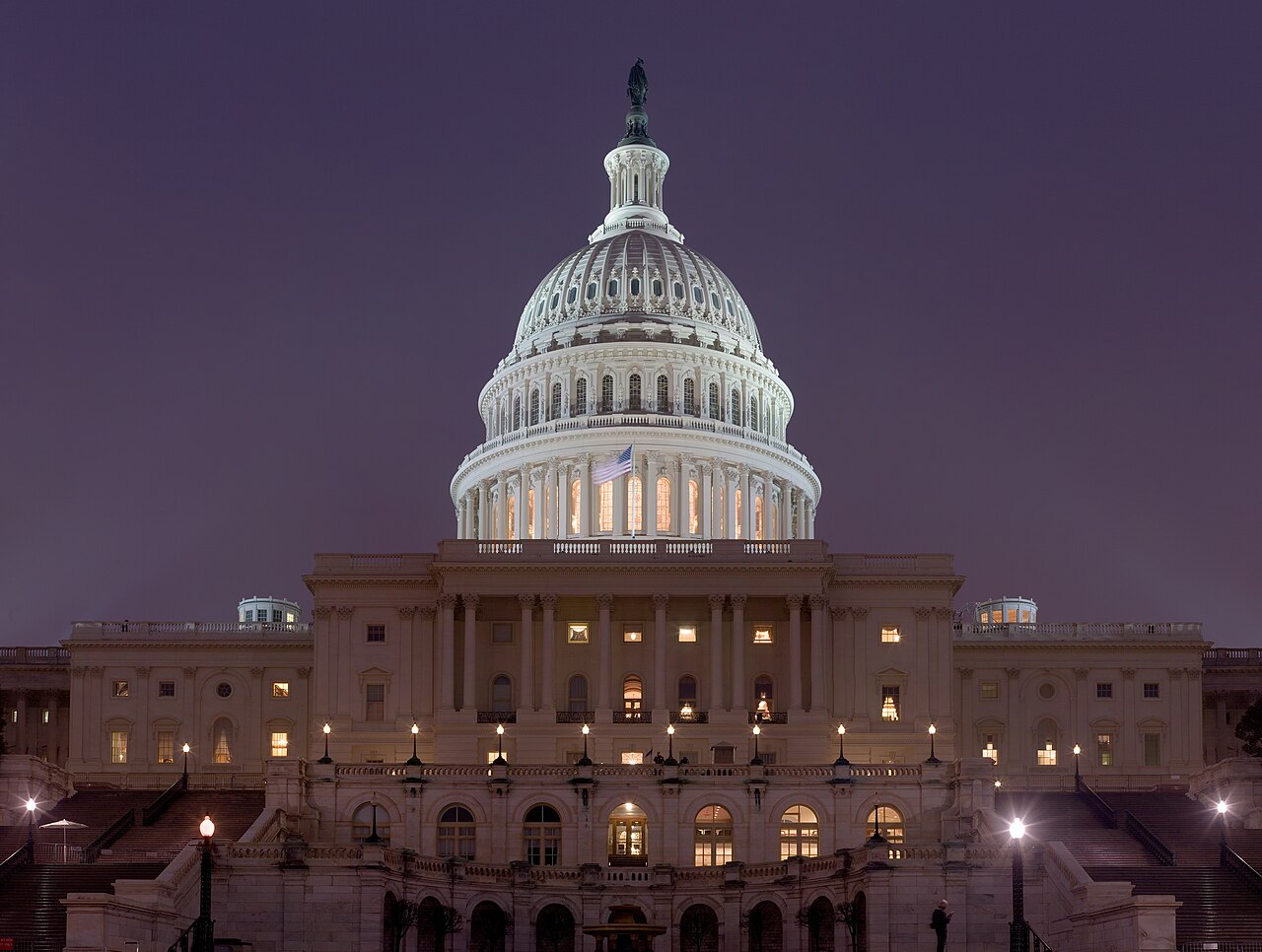
Americans voted in the 2026 US midterm elections on November 3, and election-night counting is under way. According to the Associated Press, every Senate race called so far has been a safe seat, with Democrats holding Delaware, Illinois, Massachusetts, New Jersey, Rhode Island and Virginia; control of the House has not been called, and the Senate's final balance may take days to emerge.
The United States voted in the 2026 midterm elections on Tuesday, November 3. As polling places began closing from 6 p.m. Eastern Time, the country settled into election night. According to the Associated Press, every Senate race called so far has involved a safe seat for one of the two parties, with no seat yet changing hands, while control of the House of Representatives has not been called and only about 5 percent of precincts nationwide have reported results. Which party will run Congress remains an open question.
The starting point: four seats, in both chambers
The scale of the election is large: all 435 seats in the House, 35 seats in the Senate and 36 governorships. Republicans went into election day holding a slim 218-to-214 majority in the House and a 53-to-47 edge in the Senate. Democrats therefore need a net gain of four seats in each chamber to take control — and in the Senate, even a 50-50 tie would leave Republicans ahead, because Vice President JD Vance casts the tie-breaking vote; Democrats effectively need 51 seats. Before election day, about 51 million voters had already cast ballots early or by mail.
Forecasts leaned Democratic — but they are only forecasts
Pre-election indicators mostly favoured the Democrats. In the national “generic ballot” polling average, Democrats led Republicans by about 9 percentage points. The prediction market Kalshi priced Democrats at roughly a 94 percent chance of retaking the House and about 70 percent for the Senate, and Sabato's Crystal Ball at the University of Virginia projected 239 House seats and 53 Senate seats for the Democrats in its final forecast. President Donald Trump's approval rating sat at about 38 percent. All of these, however, are pre-election forecasts, not results — and recent election cycles have repeatedly shown that polls and markets can be overturned once the votes are counted.
Called so far: safe seats stay where they were
According to the Associated Press, the Senate races called earliest were all held by the Democrats, including safe seats in Delaware, Illinois, Massachusetts, New Jersey, Rhode Island and Virginia. Those results matched expectations and, for now, do not change the balance of power in the Senate; Republican safe seats are likewise being called as voting ends state by state. The swing seats that will actually decide control of Congress are still being counted.
What to watch: battleground states and a long count
The Senate map runs through Texas, Michigan, Maine, North Carolina, Kansas, Iowa and Alaska, plus special elections in Ohio and Florida — and Nebraska, where independent candidate Dan Osborn could scramble both parties' calculations if he pulls off an upset. The last polls, in Alaska, close at 1 a.m. Eastern Time. Maine and Alaska use ranked-choice voting, which takes time to tabulate; Georgia could head to a runoff if no candidate clears half the vote; and mail ballots will keep feeding the count. For all those reasons, the Senate's final balance may not be known for days. Counting continues, and N-Globe will keep updating this story.
💬 Comments
No comments yet. Be the first!