 N環球

TSMC tightens curbs on Chinese chip designers as new US rules close manufacturing loophole
After new US Commerce Department rules took effect on Thursday, TSMC has suspended some advanced manufacturing orders for Chinese customers; processes of 16 nanometres and below now require a US export licence, closing one of the last routes for Chinese AI chip makers to advanced capacity.
Taiwan's TSMC, the world's largest contract chipmaker, is tightening restrictions on Chinese chip designers, suspending some previously permitted advanced manufacturing orders and generally limiting affected customers to older chipmaking technology. Reuters, citing two people familiar with the matter, reported that the move follows new US Commerce Department rules that took effect on Thursday, closing one of the last remaining routes for Chinese companies to produce powerful AI processors.
16nm and below need a US export licence
TSMC has instructed that affected orders using manufacturing processes of 16 nanometres and below be halted unless customers obtain US export licences, the people said. Chinese designers will generally be limited to older 28-nanometre and 40-nanometre processes, provided their chips do not use high-bandwidth memory (HBM) or require advanced packaging. Most leading AI chips are produced using 7-nanometre processes or smaller; HBM lets processors handle the vast data volumes AI applications require, while advanced packaging integrates chips and memory to boost computing power.
New US rules close a compliance route
The new US Commerce Department rules, which took effect on Thursday, removed a compliance route that had allowed some Chinese designers to access advanced manufacturing services without individual export licences. Previously, TSMC could check the computing power and other technical characteristics of certain Chinese chip designs to determine whether they fell outside US export controls. Under the new rules, TSMC can no longer use that verification process for affected Chinese customers; their advanced chips are instead presumed to be covered by US controls, requiring export licences unless an exception applies. The Financial Times first reported on Thursday that TSMC and South Korea's Samsung Electronics had suspended some chip shipments to Chinese customers.
Blow to China's home-grown AI chips
The measures could particularly affect Chinese companies developing alternatives to Nvidia's processors, including independent chip designers and technology giants that have developed in-house chips. A US government list of approved chip designers includes Nvidia, AMD, Apple and Taiwanese companies MediaTek and Realtek, but no mainland Chinese firms. A separate source with direct knowledge of the matter said some Chinese AI chip designers still had access to TSMC's 7-nanometre manufacturing technology before Thursday; Reuters said it could not independently verify the arrangements under which those chips were manufactured.
Scrutiny extends to subsidiaries and intermediaries
TSMC's guidance also requires closer scrutiny of customers' operating locations, parent companies, major shareholders, packaging providers and shipping routes, the people said. The checks extend to orders placed through overseas subsidiaries or intermediaries, including entities in Taiwan, the US, Europe, Japan and Southeast Asia. The move comes a day after the US House Foreign Affairs Committee disclosed that the Commerce Department approved exports of 879,000 advanced Nvidia and AMD AI chips to China between December 2025 and May 2026.
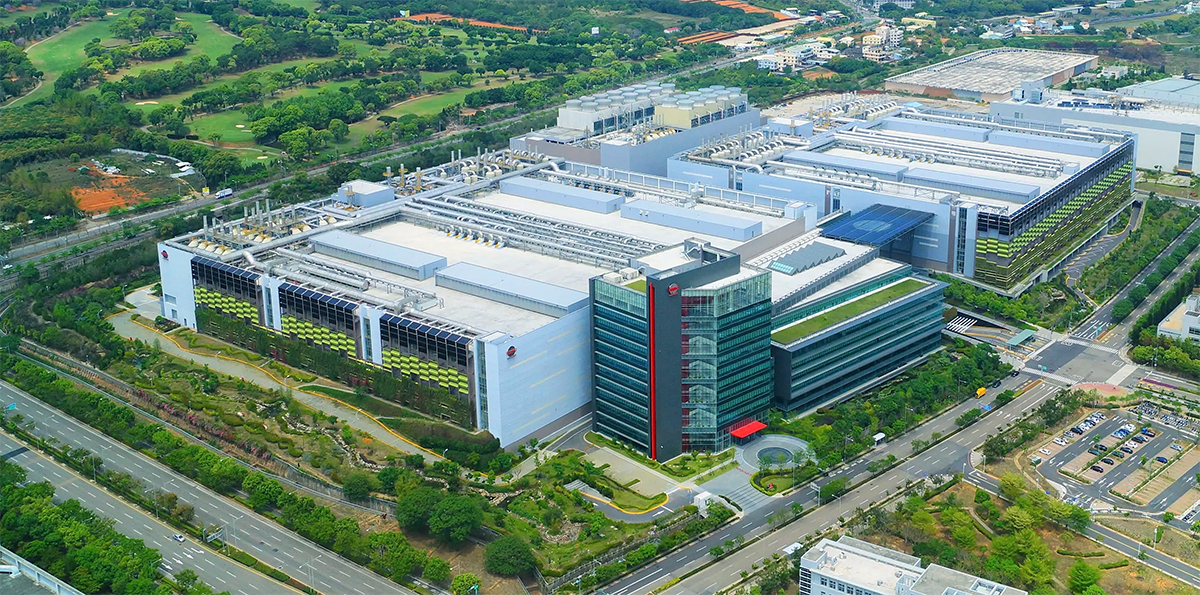
(File photo: a TSMC fabrication plant. Image: headquartersoffice.com)
💬 Comments
No comments yet. Be the first!