 N環球

Hong Kong's strategic-enterprise push pays off: first six batches invested HK$28.3 billion, employ over 10,300
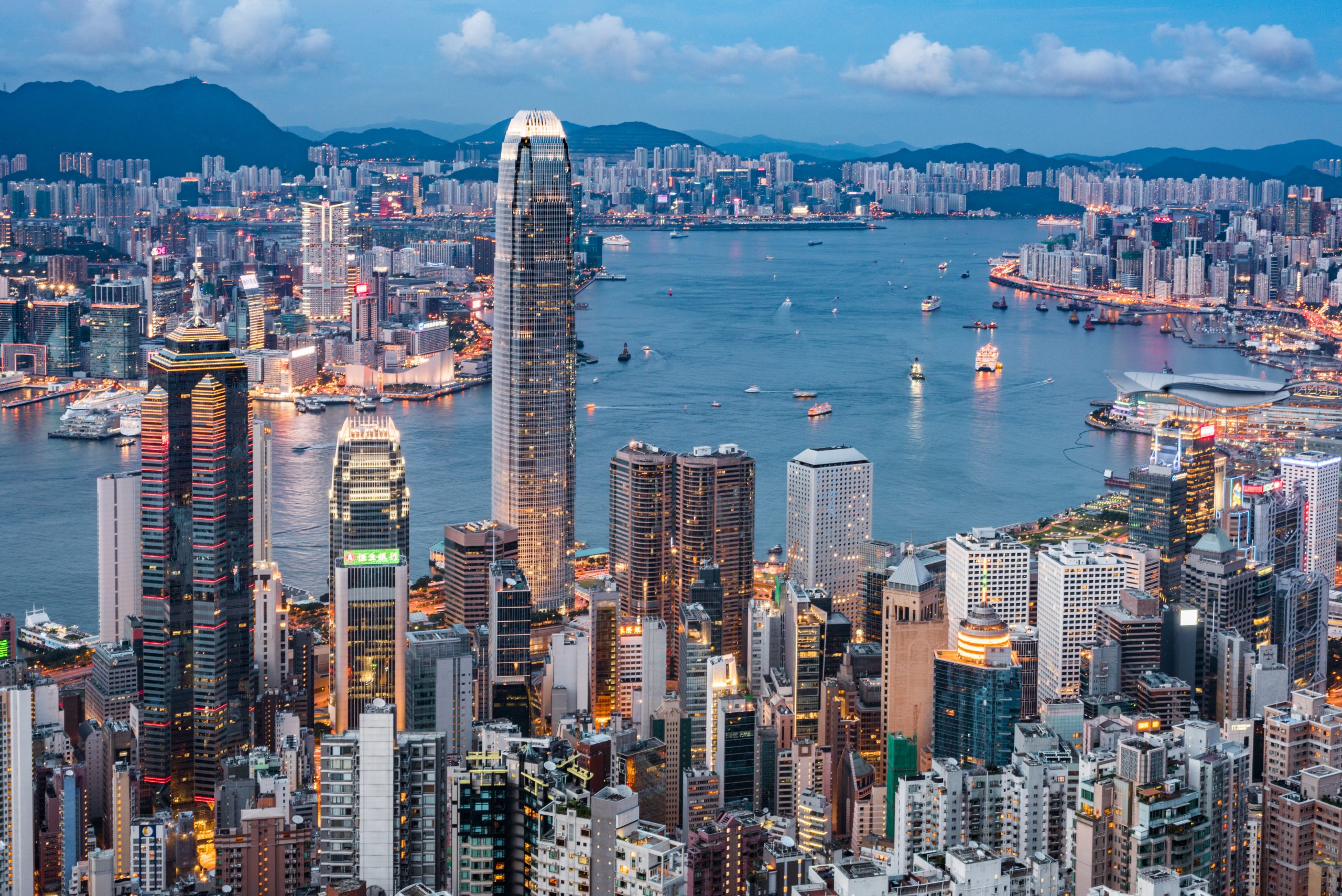
Financial Secretary Paul Chan said in his October 25 blog that the first six batches of strategic enterprises had invested HK$28.3 billion in Hong Kong and employed more than 10,300 people by the end of September, beating initial phased targets by 30% and 34%; with the seventh batch, 142 enterprises are expected to bring about HK$84 billion and 27,000 jobs.
Why it matters
This is the interim report card for Hong Kong's Office for Attracting Strategic Enterprises (OASES): the investment and jobs are not just pledged figures but money spent and people hired on the ground. More important for Hong Kong, the firms are bringing headquarters and research functions with them, not just capital.
Full report
Hong Kong Financial Secretary Paul Chan said in his weekly blog on October 25 that the first six batches of strategic enterprises brought to Hong Kong had actually invested HK$28.3 billion and employed more than 10,300 people by the end of September 2026, exceeding initial phased targets by 30% and 34% respectively.
Including the seventh batch of 18 enterprises welcomed on October 22, the total has reached 142 strategic enterprises, expected to generate about HK$84 billion in investment and roughly 27,000 jobs over the coming years. Around 70% of the first six batches have set up global or regional headquarters in Hong Kong and nearly 90% have set up research and development centres; they occupy 2.83 million square feet of commercial and industrial space, more than 50% above the level in March 2025.
Half of the seventh batch came from the mainland and half from elsewhere in the world, covering advanced manufacturing, new energy, artificial intelligence, life and health technology, fintech, and cultural and creative technology; several have market capitalisations or valuations above US$100 billion. Chan cited one firm that developed an AI tool giving real-time risk scores for patient deterioration in wards and intensive care, and another deploying AI-plus-smart-vehicle technology in Hong Kong to advance green and smart mobility.
Chan said the investments are gradually turning into real economic outcomes, bringing not only capital and jobs but also research and decision-making functions that are crucial to maintaining Hong Kong's long-term competitiveness.
💬 Comments
No comments yet. Be the first!