 N環球

An end to Lagos gridlock? City unveils AI-powered smart traffic system with adaptive signals, bus priority
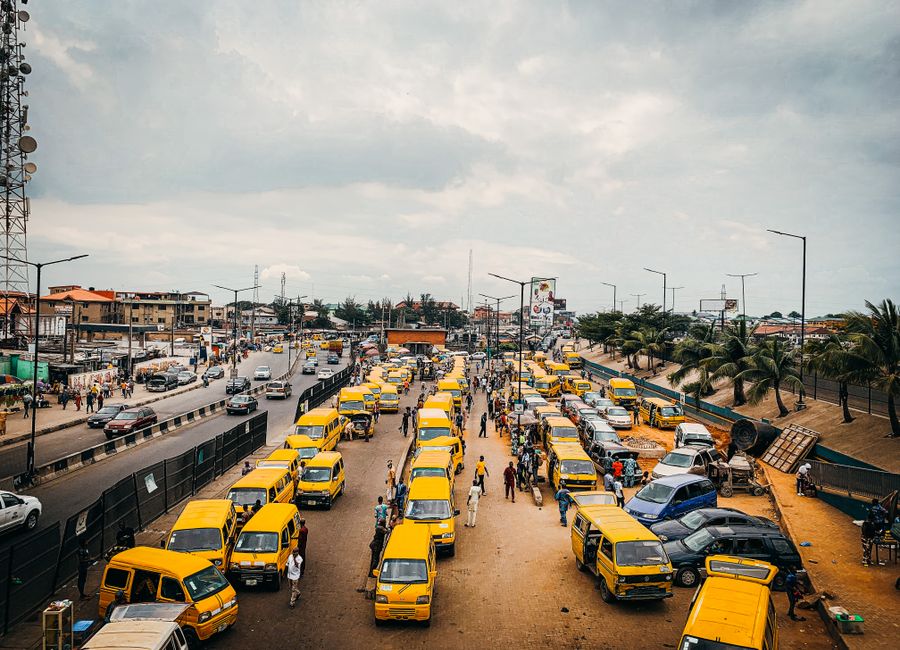
Lagos transport authority LAMATA says selected corridors are being equipped with smart traffic infrastructure: cameras, sensors, GPS and RFID combined with AI to adjust intersection signals in real time and prioritise buses, powered by solar energy.
Why it matters
Lagos is famous for its citywide gridlock. This is the city's first public disclosure of a concrete AI-and-IoT congestion plan; if delivered, it could cut commute times, fuel use and emissions.
Full report
Lagos Metropolitan Area Transport Authority (LAMATA) technical adviser Adeyemi Adeniji said Tuesday at the IoT West Africa Conference and Data Centre Cloud Expo at the Landmark Event Centre in Lagos that selected corridors are being equipped with smart traffic infrastructure that responds to real-time traffic demand.
The system combines cameras, sensors, GPS and RFID to detect vehicle volumes and adjust signal timing accordingly, while prioritising public transport at intersections to improve flow and reduce congestion.
Adeniji said data from the system will support planning, forecasting and investment decisions, with AI predicting future traffic patterns; smart enforcement tools will also detect speeding and violations and transmit them to control centres to improve road safety.
The infrastructure is solar-powered and will be deployed in phases, scaling up as integration improves.
Fellow panellist Hadiza Adukonu of Oando Clean Energy cautioned that the main obstacle to AI-driven urban mobility in Nigeria is poor coordination among stakeholders, not a lack of technology; Trust Synergy Infrastructure's Najeeb Abdussalam said AI-powered IoT sensors at junctions would enable real-time traffic management and route guidance for motorists.
💬 Comments
No comments yet. Be the first!