 N環球

Lagos is sinking by about 5 mm a year, study finds, with over 7 million people at flood risk by 2050
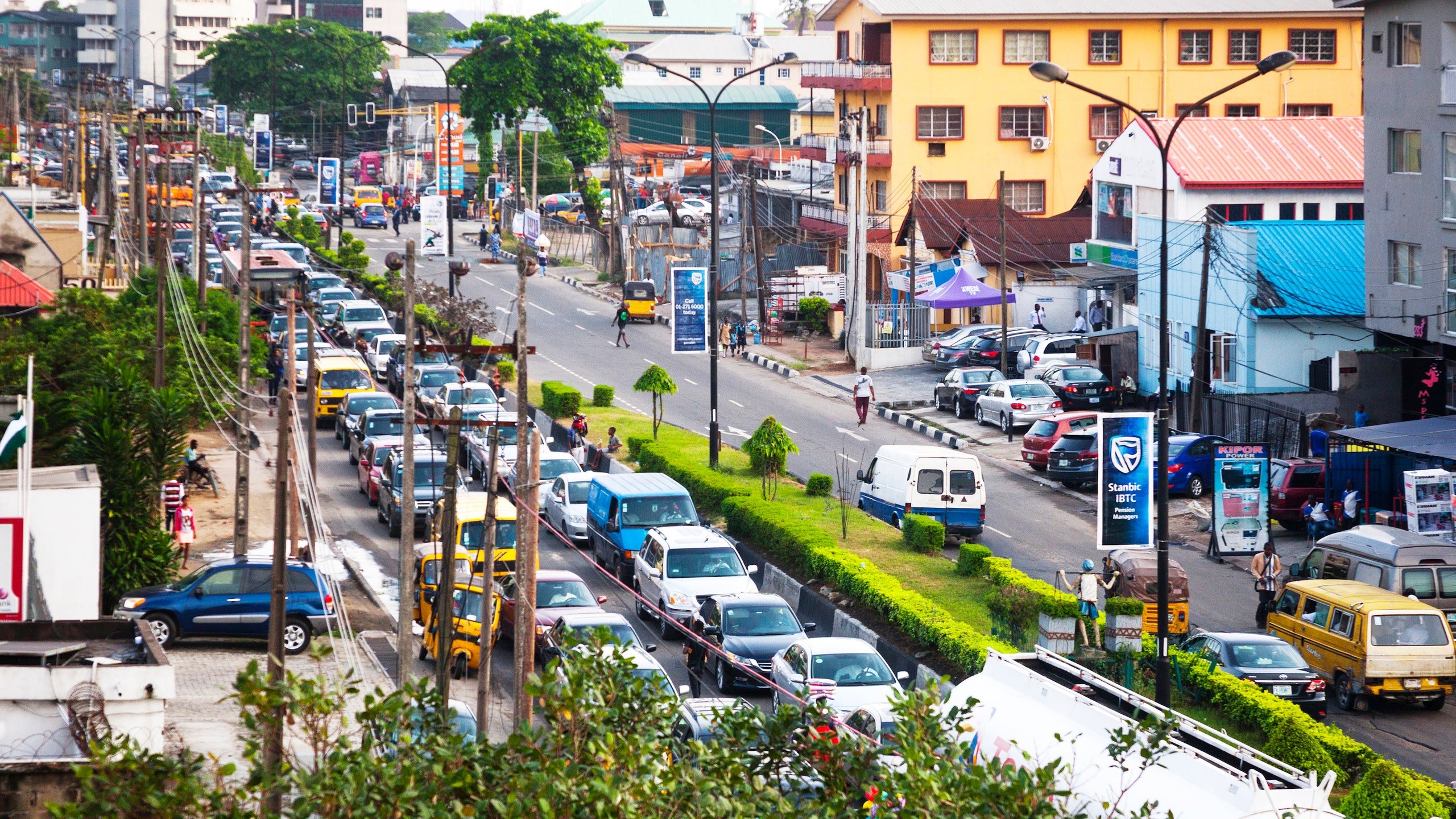
A new Virginia Tech-led study finds land beneath Africa's coastal megacities is sinking faster than previously estimated, with Lagos and Egypt's Alexandria the worst subsidence hotspots. By 2050, more than 7 million people, 1 million buildings and about $180 billion in assets across 20 African coastal cities could be exposed to flooding from extreme sea levels. Lagos is sinking at a median rate of about 5 mm a year, and about 2.6 million residents already lived in areas potentially exposed to extreme coastal water levels in 2020.
Land beneath Africa's coastal megacities is sinking faster than previously estimated, with Nigeria's Lagos and Egypt's Alexandria the worst subsidence hotspots, according to a new Virginia Tech-led study. Published on 27 November in the journal Science Advances, the research analysed more than 4,000 radar images from the European Space Agency's Sentinel-1 satellites to map vertical land movement across 20 African coastal cities.
Lagos sinking about 5 mm a year, Alexandria about 6 mm
The study found median subsidence rates of about 5 mm a year in Lagos and about 6 mm a year in Alexandria, both faster than the UN Intergovernmental Panel on Climate Change estimated in 2021. Possible drivers include groundwater extraction, land reclamation and building on loose, compressible ground. The researchers caution that satellite measurements show where land is moving but do not, by themselves, prove the precise cause of subsidence in every location.
By 2050: 7 million people, 1 million buildings, $180 billion at risk
Combining the subsidence data with sea-level rise projections, the study estimates that by 2050 more than 7 million people, 1 million buildings and about $180 billion in assets across the 20 cities could be exposed to flooding from extreme sea levels; Lagos and Alexandria alone account for about 5 million people and $150 billion in assets. In Lagos, about 2.6 million people already lived in areas potentially exposed to extreme coastal water levels in 2020, rising to more than 4 million by 2100 under the study's assumptions.
Exposure estimates, not a prediction that flooding will happen
The researchers stress that these figures are exposure estimates, not predictions that the identified communities will necessarily flood; the model holds population and buildings at 2020 levels and assumes no coastal defences, a worst-case physical picture. Lead author Oluwaseyi Dasho said the effects of subsidence are often invisible in everyday life but can substantially increase flood exposure over decades, and he hopes the paper helps African governments prepare.
(Sources: Science Advances (Dasho et al., 2026), Phys.org, Carbon Brief, BBC, 27-28 November 2026)
💬 留言
暂时还没有留言,来抢沙发!