 N環球

Nomura cuts Nvidia's 2026 Rubin chip supply forecast by 19%, raises 2027 outlook on SpaceX demand
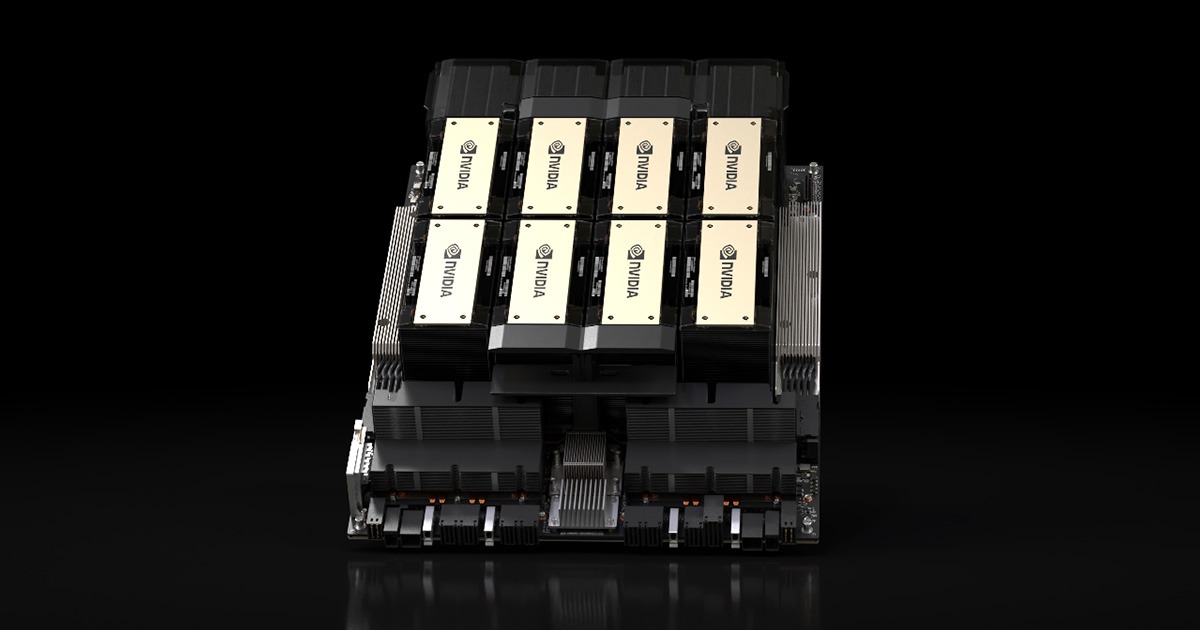
Nomura's Taipei tech team has cut its 2026 supply forecast for Rubin and Rubin Ultra chips from 2.02 million units to 1.63 million, a 19% reduction, and lowered its NVL72 rack estimate from 62,000 to 60,000 units, citing HBM4 yields, TSMC advanced packaging capacity and thermal limits, with some rack deliveries slipping into early 2027. The same team raised its 2027 NVL72 forecast to 75,000 units on SpaceX's compute buildout.
Nomura's Taipei technology team has cut its 2026 supply forecast for Nvidia's next-generation Rubin chips, saying a triple supply-chain bottleneck is slowing shipments — but the same report is more optimistic about 2027, for a single reason: SpaceX. The team is led by Anne Lee.
The 2026 cuts: chips down 19%, racks trimmed too
Nomura cut its 2026 forecast for Rubin and Rubin Ultra chip supply from 2.02 million units to 1.63 million, a 19% reduction, and lowered its NVL72 rack estimate from 62,000 to 60,000 units. Some rack deliveries are slipping from late 2026 into early 2027. At the same time, Nomura raised its 2027 NVL72 forecast from 66,000 to 75,000 units, so the two-year rack total is now higher than before — demand has not disappeared, it has moved later.
Three bottlenecks: HBM4 yields, TSMC packaging, heat
The report points to three separate supply-chain problems. The first is yields on HBM4, the next generation of high-bandwidth memory: when yields are low, more manufactured chips fail quality checks, so fewer usable parts come off the line. The second is advanced packaging capacity at TSMC: packaging is the step where the GPU die and its memory are joined into one working component, and it has become one of the tightest chokepoints in AI hardware, with Rubin's more complex design adding to the strain. The third is heat: Rubin systems are denser than the hardware they replace, and more compute in the same space means more heat to remove.
Demand is not the problem: Nvidia's results stay strong
Nomura stresses the problem is supply, not demand. Nvidia posted fiscal Q3 2027 revenue of $115.8 billion, more than double the figure from a year earlier, with the data centre segment generating about $107.6 billion of that. The company guided fiscal Q4 2027 revenue to $130 billion and lifted its 2028 growth outlook to about 75%, up from 70%.
SpaceX becomes the key variable
The 2027 upgrade is driven directly by SpaceX's compute expansion: the company plans to take its compute capacity from about 3 GW at the end of 2026 to more than 13 GW by the end of 2027, more than a fourfold increase in a single year, measured in power draw rather than chip count. The research projects that SpaceX/xAI and neocloud providers could account for 55% to 60% of Nvidia's rack purchases in 2027. Nomura also flags concentration as the main risk: if more than half of 2027 rack purchases come from a small group of aggressive spenders, Nvidia's growth depends more heavily on them.
Note that this is a single brokerage's research forecast, and Nvidia has not commented on it. HBM4 yields, TSMC packaging capacity and Rubin's thermal engineering now set the pace for Nvidia's product cycle.
(Sources: Crypto Briefing, ZeroHedge, 28 November 2026; TrendForce and KeyBanc have previously published Rubin cuts in the same direction)
💬 留言
暂时还没有留言,来抢沙发!